The gaming world collectively held its breath at the 2024 Game Awards ceremony as CD Projekt Red finally unveiled a full-length trailer for the highly anticipated The Witcher 4. This cryptic reveal not only hinted at a new setting but also firmly established Ciri as the new lead protagonist, shifting the narrative focus away from Geralt of Rivia. The excitement is palpable, a testament to the enduring legacy of The Witcher franchise. However, this enthusiasm is tempered by a significant and recent precedent set by the same developer: the tumultuous journey of Cyberpunk 2077. While the disastrous launch state of Night City's premiere is a well-documented cautionary tale, The Witcher 4 faces a different, subtler pitfall it must avoid at all costs—the dangerously long and silent period between announcement and release.
Cyberpunk 2077’s development timeline is a masterclass in prolonged anticipation, a path The Witcher 4 should refuse to replicate. The saga began officially on May 30, 2012, with CD Projekt Red's initial announcement. A major teaser followed on January 10, 2013, offering a brief, tantalizing glimpse into its dystopian world. 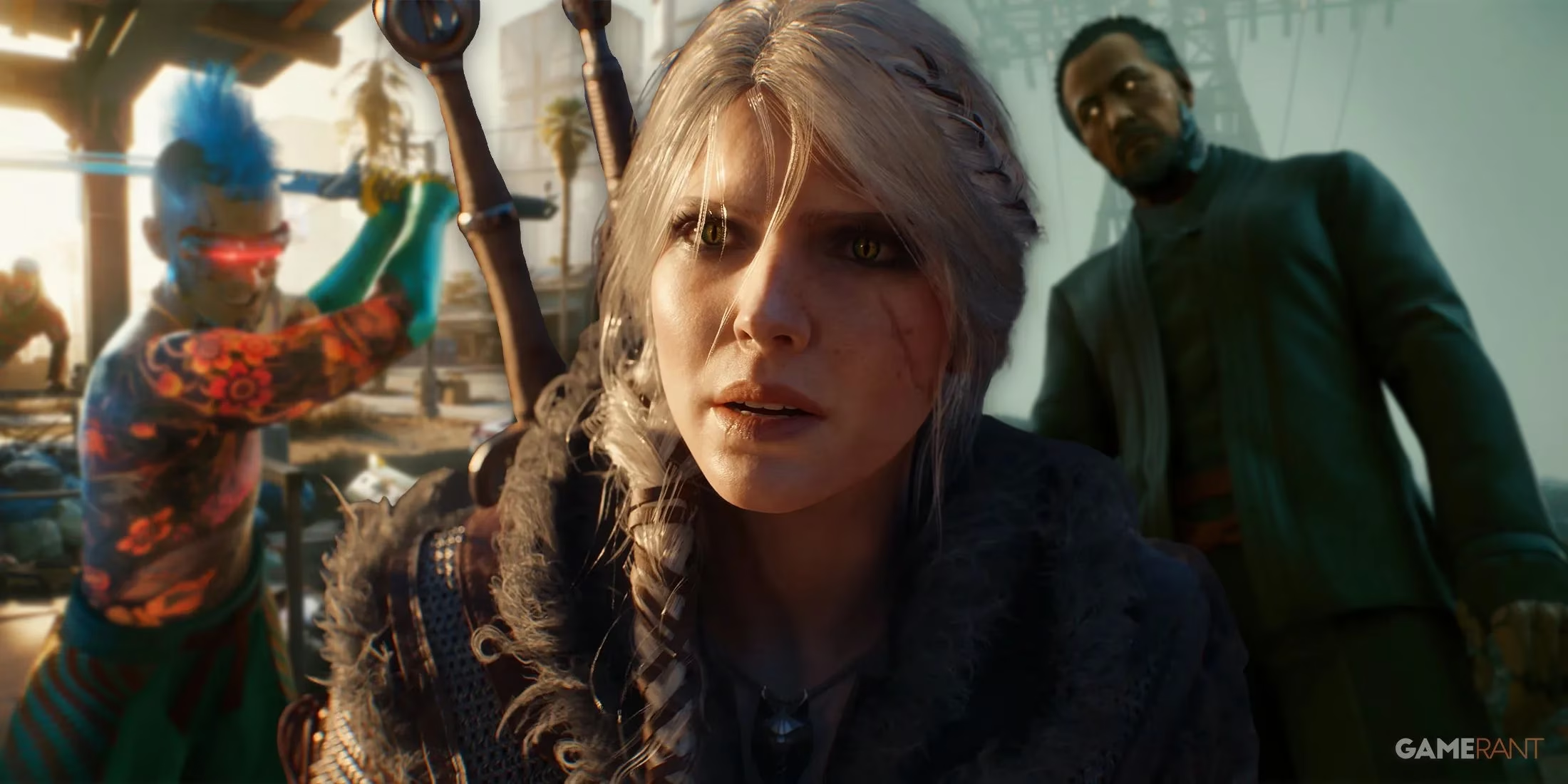
And then... silence. For over five years, fans received no substantial updates. It wasn't until E3 2018, during Microsoft's press conference on June 10, that the world saw a detailed, playable demo. The final release finally arrived on December 10, 2020—a staggering eight years and seven months after the initial announcement. This extended radio silence created a vacuum filled with unrealistic hype, speculation, and ultimately, immense pressure that contributed to the game's infamous launch woes.
For The Witcher 4, announced in late 2024, following a similar timeline would be commercially and communally disastrous. A direct replication would push its release window into 2033, an almost unthinkable timeline for a sequel to one of the decade's most beloved franchises. The gaming landscape in 2026 demands a different approach to transparency and communication. CD Projekt Red must learn from its past and adopt a more engaged, consistent reveal strategy.
Key Reasons The Witcher 4 Must Chart a Faster, Clearer Course:
-
Managing Fan Expectations: A multi-year blackout period allows hype to spiral uncontrollably. Regular, measured updates help ground expectations in reality.
-
Maintaining Momentum: The excitement from the 2024 Game Awards reveal is a valuable asset. Letting it fizzle out over years of silence risks audience attrition and apathy.
-
Industry Context: The wait for titles like Hollow Knight: Silksong and Grand Theft Auto 6 has become a cultural meme, a state no developer should willingly emulate for their flagship title.
-
Rebuilding Trust: After the Cyberpunk 2077 launch controversy, CD Projekt Red is in a prolonged phase of rebuilding player trust. A transparent and reasonable development cycle for The Witcher 4 is crucial to this endeavor.
So, what should the path forward look like? CD Projekt Red has a strong foundation with The Witcher series, but it must apply the harsh lessons learned from Cyberpunk 2077. The goal should be a development cycle marked by strategic communication. This doesn't mean revealing everything at once, but rather providing a steady drip-feed of information to sustain interest without overpromising.
A Proposed Communication Timeline for The Witcher 4:
| Year | Suggested Reveal Milestone | Purpose |
|---|---|---|
| 2025 | In-depth gameplay showcase or developer diary | Show tangible progress, confirm gameplay mechanics, and showcase the new world. |
| 2026 | Story trailer, character deep-dives, release window announcement | Build narrative hype, introduce supporting cast, and give players a concrete timeframe. |
| 2027 | Final gameplay preview, system requirements, pre-order details | Final marketing push, ensure technical transparency, and transition to launch phase. |
This structured approach would create a clear, three-year runway from announcement to release, a stark and welcome contrast to the previous decade-spanning saga. It balances the need for secrecy in game development with the modern demand for developer-player communication. The next major reveal for The Witcher 4 should ideally occur within the next year to assure fans that development is progressing robustly.
The bottom line is clear: while The Witcher 4 must, of course, avoid the technical pitfalls of Cyberpunk 2077's launch, its first and most critical test is avoiding the protracted, silent announcement cycle. The memory of waiting nearly nine years for Cyberpunk is still fresh. In 2026, with a fanbase eager to return to the Continent, CD Projekt Red has the opportunity to demonstrate it has evolved. By fostering a transparent and timely journey to release, The Witcher 4 can launch not just as a successful game, but as a symbol of a developer that has truly listened and learned.