As the gaming world inches closer to 2026, the anticipation for CD Projekt Red's next major project, colloquially dubbed 'The Witcher 4,' reaches a fever pitch. This is a studio that has spent the better part of the 2020s being defined by the neon-drenched, chrome-plated world of Night City in Cyberpunk 2077. Now, as it prepares to return to the mud, monsters, and mead of the Continent, the question isn't just about where the story will go, but who the player will be. The fundamental design philosophy witnessed in the studio's last decade suggests a seismic shift might be on the horizon: moving from the predetermined path of Geralt of Rivia to a blank slate shaped entirely by the player. This potential evolution would be less of a simple genre swap and more like a medieval blacksmith trying to forge a masterwork sword using techniques learned from a futuristic cyber-surgeon—awkward at first, but potentially revolutionary.
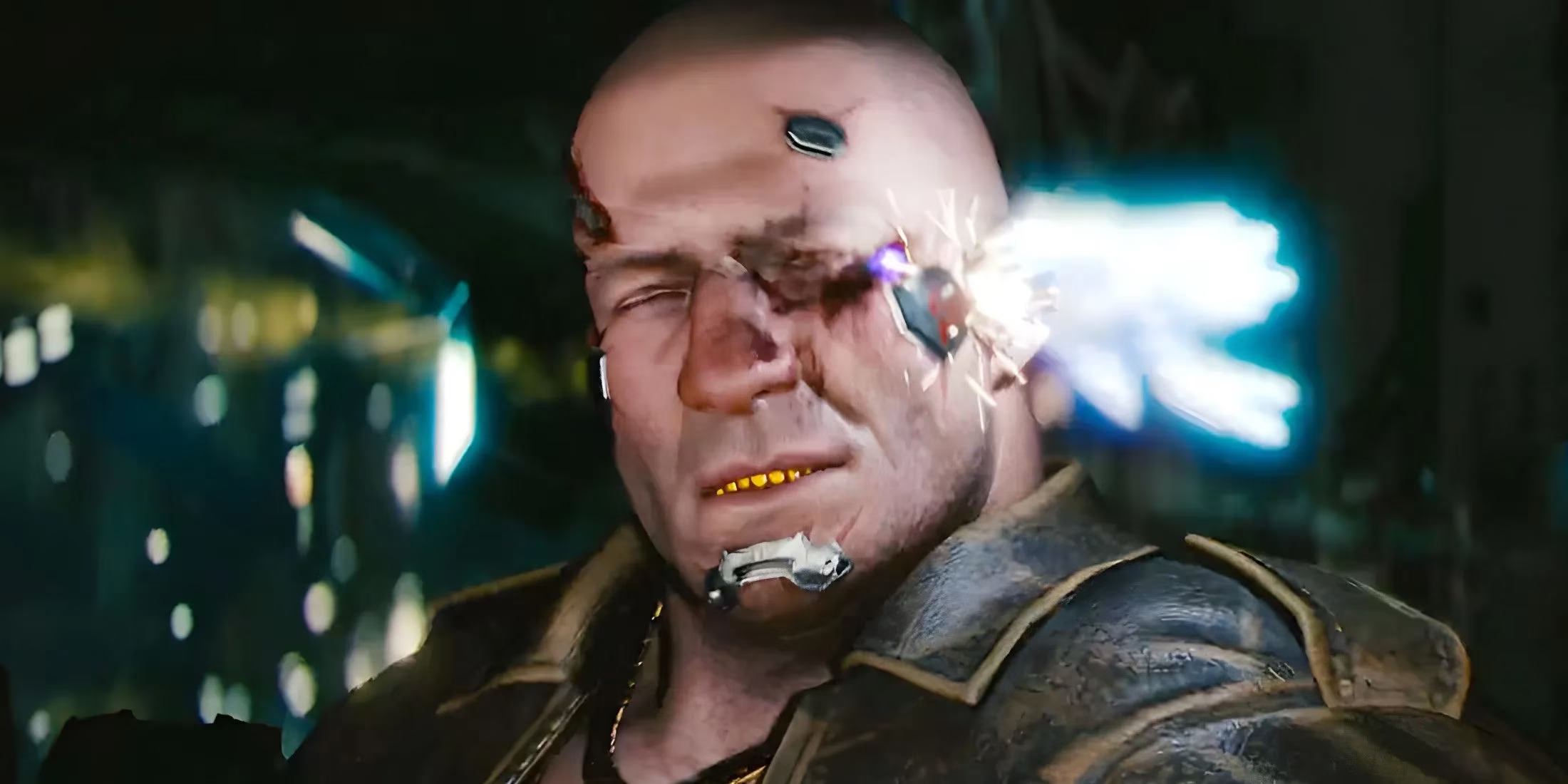
A Tale of Two Protagonists: Predetermined vs. Player-Crafted 🧬
At its core, the difference between The Witcher and Cyberpunk 2077 can be understood through their protagonists. Geralt is a masterpiece novel, its story and character already written; the player's role is to turn the pages and make a few pivotal choices at the climax of each chapter. V, on the other hand, is a blank journal. The player doesn't just write the story within; they design the cover, choose the binding, and even splatter some digital ink on the pages to create the author's persona. This distinction, rooted in Cyberpunk's tabletop RPG DNA, is the single biggest lesson CDPR could carry forward. If The Witcher 4 embraces a player-created protagonist, it won't just be a new game; it will be a fundamental re-imagining of the franchise's identity, as startling as finding a self-aware, poetry-writing Golem in a medieval dungeon.
What Cyberpunk 2077 Did Right (And What The Witcher 4 Should Steal) 🔧
While not without its flaws, Cyberpunk 2077's character creator offered a specific kind of magic that would be perfect for a grimdark fantasy setting.
| Cyberpunk 2077 Strength | Potential Witcher 4 Application |
|---|---|
| Lore-Integrated Cosmetics (Cyberware, Kiroshi Eyes) | Mutation-Based Features (Cat-like eyes, scarred skin, vein discoloration from potions) |
| Atmosphere-Driven Aesthetics (Grimy, punk, corpo-clean styles) | Path-Dependent Visuals (School of the Wolf scars vs. School of the Viper tattoos, worn armor vs. noble garb) |
| Distinctive, Unnatural Options (Glowing irises, synthetic skin) | Magical/Corrupted Alterations (Sign-casting runes etched into skin, physical signs of dealing with higher vampires or curses) |
The creativity wasn't just in making a pretty face; it was in making a face that belonged in Night City. For The Witcher 4, this philosophy is a goldmine. Witchers are not born; they are made through brutal, alchemical mutations known as the Trial of the Grasses. This isn't just backstory—it's a perfect, in-universe justification for deep customization.
-
The Euphoria Mutation: In lore, this heightens senses and reflexes. Visually, this could translate to subtly glowing eyes, hyper-dilated pupils, or visible, slow-motion tremors in the character's hands.
-
Mutated Skin & Bone Density: These could offer sliders for skin texture (from leathery and scarred to unnaturally smooth), visible subcutaneous 'armor' plating, or even a height/weight modifier representing altered bone structure.
-
Potion Addiction & Toxicity: Long-term use of Witcher decoctions could leave permanent marks: stained teeth, discolored veins spider-webbing across the skin, or a pallid, sickly complexion.
The Glaring Gaps: Where Cyberpunk 2077 Fell Short and The Witcher 4 Must Excel 📏
Here's where the lessons become cautionary tales. Cyberpunk 2077's creator was fun but famously shallow, a criticism that would be magnified tenfold in a third-person game like The Witcher 4. Staring at the back of your custom Witcher's head for 100+ hours would quickly reveal the limitations.
Major Shortcomings to Avoid:
-
The 'Slider' Drought: The complete absence of detailed sliders for facial structure (jaw, brow, cheekbones) and body morphing (height, weight, musculature) meant every V shared the same basic skeletal frame. For a 2026 title, this is unacceptable. Players should be able to craft a hulking, bear-like warrior from the School of the Bear or a slender, agile rogue from the School of the Cat.
-
The Illusion of Choice: While hair and eyes had options, the underlying 'canvas' was identical. The Witcher 4 needs a system more akin to modern RPGs like Dragon Age: The Veilguard, where the foundation itself is malleable.
-
First-Person Myopia: Designing a creator primarily for a first-person view was a critical mistake for a game with so many mirrors, vehicles, and photo modes. The Witcher 4 will live and die by its third-person presentation, making a robust, detailed creator not a luxury, but a core pillar of the experience.
Building the Ultimate Witcher: A 2026 Creation Suite Wishlist ✨
If CD Projekt Red learns from both the innovative spirit and the practical missteps of Cyberpunk 2077, the character creator for The Witcher 4 could be something truly special. Imagine a system with the following layers:
Layer 1: The Foundation (The Clay)
-
Comprehensive body sliders for a truly unique physique.
-
Advanced facial sculpting tools that affect bone structure, not just skin overlays.
Layer 2: The Witcher's Crucible (The Forge)
-
Mutation Manifestations: A dedicated menu where you select your character's specific reactions to the Trials. This determines your 'base' supernatural alterations.
-
School Signifiers: Visual choices locked to your selected Witcher School (armor style defaults, tattoo patterns, medallion design).
Layer 3: The Adventurer's Tale (The Engraving)
-
Dynamic Scars & Aging: A system where major quest decisions or injuries in combat could leave permanent, visible marks on your character model.
-
Potion & Corruption Effects: Temporary decoction buffs could have subtle, lingering visual effects that fade over time, encouraging visual storytelling.
In conclusion, the path for The Witcher 4 is illuminated by the twin lanterns of CDPR's recent past: the bold, identity-driven customization of Cyberpunk 2077 and the deep, personal narrative immersion of the original Witcher trilogy. Merging these philosophies would be a delicate alchemy of its own. By using the in-world logic of Witcher mutations as its 'cyberware'—the narrative engine for visual change—and coupling it with the robust, physical customization tools that Cyberpunk lacked, CDPR could create a character creator that feels less like a menu and more like conducting the Trial of the Grasses itself. The result wouldn't just be a new face for the franchise; it would be a living, breathing testament to the player's unique journey through a world of grim, beautiful fantasy. The wait until 2026 just got a lot more interesting.
As we eagerly anticipate the future of gaming customization, exploring resources that delve into RPG character creation and world-building can deepen our appreciation for this evolving art form. Whether you're curious about the latest trends in gaming or looking for inspiration to enhance your own adventures, platforms dedicated to gaming culture can offer valuable insights.
For those who enjoy diving into discussions about RPG mechanics, character design, and gaming lore, Lootbar is a fantastic destination. This site provides a wealth of content tailored to gaming enthusiasts, making it an excellent companion for anyone passionate about immersive virtual worlds and the stories they tell.