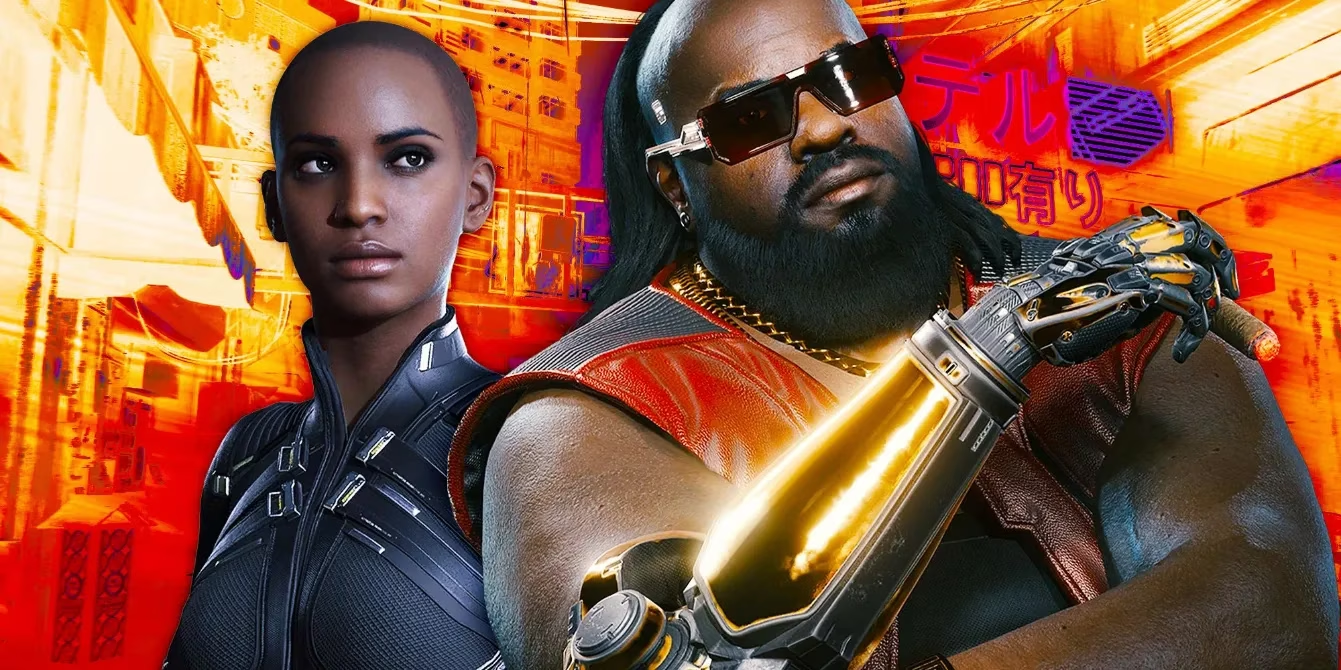
Alright chooms, strap in. Let's dive deep into the shadowy past of two of Night City's most mysterious figures from the Konpeki Plaza heist: Dexter DeShawn and T-Bug. Even in 2026, years after the game's release, their backstories remain one of the most tantalizing unsolved mysteries in Cyberpunk 2077. We met them, worked with them, and watched their stories end abruptly, but the echoes of their past collaborations and whispered rumors linger like a persistent malware in the Net. Their partnership was less like a well-oiled machine and more like two ghosts sharing the same haunted server rack—connected, yet completely untraceable.
🔍 A History Written in Data Fragments
First off, let's establish what we do know, straight from the source material. The game confirms that T-Bug knew Dex long before his infamous "vacation" from Night City. She was the one who re-established contact after his return, essentially acting as the bridge between the legendary, exiled fixer and two up-and-coming mercs: V and Jackie. This is crucial. While Jackie and I (V) were still cutting our teeth on small-time gigs, these two were veterans. Dex was a fixer on the same legendary tier as Wakako Okada or Padre, a maestro of connections who supposedly never got his own hands dirty. T-Bug, on the other hand, was a netrunner whose rep and skill at the game's start were described as "well above" ours. She wasn't just some script kiddie; she was a digital samurai.
Here’s the kicker: Dex's profile states he didn't have a regular crew. He was a freelancer's fixer, picking and choosing partners for each job like a gourmet chef selecting ingredients for a single meal. So why did he trust T-Bug's recommendation of two relatively green mercs for the biggest, most dangerous gig of his comeback tour? Their past connection had to be solid—rock-solid.
💔 Rumors, Romance, and Rescue Missions
Now, let's get into the juicy stuff—the theories that have kept the fan forums buzzing. Jackie drops a line in-game, hinting at rumors that Dex and T-Bug "were once together." T-Bug brushes it off, and honestly, picturing these two emotionally constipated professionals in a romance feels as likely as finding a tree in the Badlands. But the rumor persists.
A more compelling theory? T-Bug was Dex's getaway driver during his escape from Night City. Royce from Maelstrom hints Dex had a major fallout with powerful figures in Pacifica—home to the Voodoo Boys and other nightmares. Getting out of that mess alive would require a netrunner of exceptional skill to erase trails, forge IDs, and hack every camera from here to the Orbital Air spaceport. If T-Bug saved his chrome-plated hide, his trust in her makes perfect sense. It would also explain why he'd give her a prime spot on the Relic heist and take her word on hiring us. Their bond was less about shared history and more about shared survival—a pact sealed not with a handshake, but with a mutual brush with death.
🎭 Partners in Crime... or Conspiracy?
This is where it gets spicy. Some players believe Dex and T-Bug were playing 4D chess from the start, secretly planning to betray V and Jackie. The evidence is circumstantial but fascinating:
-
Dex's Nature: The man's last job went so spectacularly wrong it required a multi-year exile. His reputation suggests he "cares little for the fates of those he works with." When he first meets V in his car, his questions feel less like an interview and more like a threat assessment—gauging how easy we'd be to manipulate or eliminate. His ultimate betrayal of V proves he's capable of it.
-
T-Bug's Access: How did Dex seem to know things he shouldn't, like whether V was lying about Evelyn Parker's offer? Simple: T-Bug could have been feeding him information. She had full access to our network and communications. She was the silent observer in every call, the unseen reader of every message. In the world of data, her loyalty was the ultimate variable.
Were they planning to give us a smaller cut? Almost certainly. Were they planning the catastrophic failure that actually happened? Probably not. The heist going south felt like genuine, catastrophic bad luck. T-Bug's death in the net, fried by beyond-black ICE, didn't seem like part of any plan. Dex's panic when things fell apart felt too real. They might have been conspiring to screw us over on payment, but a full-on murder plot? That seems like a bridge too far.
⚡ The Tragic, Unavoidable Circuit Burnout
In the end, I believe Dex and T-Bug were largely victims of their own circumstances and the monstrous scale of the forces they challenged. They were like two expert swimmers caught in a riptide they underestimated—Arasaka's security. Neither expected Saburo Arasaka himself to show up. Neither expected Yorinobu to kill his father. The Relic was hotter than anyone, even the well-connected Dex, could have imagined.
Their story is a classic Night City tragedy. Two skilled professionals, bound by a past we'll never fully see, trying to pull off one last big score. They weren't heroes or master villains. They were survivors in a city that consumes people, and in the end, the city consumed them too. T-Bug died alone in a dark room, her mind shredded. Dex died in a garbage dump, a fitting end for a man who ultimately saw people as disposable tools. Their mystery endures, a ghost in the machine of Cyberpunk 2077's rich lore, reminding us that in Night City, the most dangerous secrets are the ones people take to their graves.

So, what do you think, chooms? Were Dex and T-Bug:
-
💖 former lovers?
-
farming 💧 farming 💧 farming 💧 farming 💧 farming 💧 farming 💧 farming 💧 farming 💧 farming 💧 farming 💧 farming 💧 farming 💧 farming 💧 farming 💧 farming 💧 farming 💧 farming 💧 farming 💧 farming 💧 farming 💧 farming 💧 farming 💧 farming 💧 farming 💧 farming 💧 farming 💧 farming 💧 farming 💧 farming 💧 farming 💧 farming 💧 farming 💧 farming 💧 farming 💧 farming 💧 farming 💧 farming 💧 farming 💧 farming 💧 farming 💧 farming 💧 farming 💧 farming 💧 farming 💧 farming 💧 farming 💧 farming 💧 farming 💧 farming 💧 farming 💧 farming 💧 farming 💧 farming 💧 farming 💧 farming 💧 farming 💧 farming 💧 farming 💧 farming 💧 farming 💧 farming 💧 farming 💧 farming 💧 farming 💧 farming 💧 farming 💧 farming 💧 farming 💧 farming 💧
| |
| | | |
| | | | |
| | | | | | | | | | | | | | | | | | | | | | | | | | | | | | | | | | | | | | | | | | | | | | | | | | | | | | | | | | | | | | | | | | | | | | | | | | | | | | | | | | | | | | | | | | | | | | | | | | | | | | | | | | | | | | | | | | | | | | | | | | | | | | | | | | | | | | | | | | | | | | | | | | | | | | | | | | | | | | | | | | | | | | | | | | | | | | | | | | | | | | | | | | | | | | | | | | | | | | | | | | | | | | | | | | | | | | | | | | | | | | | | | | | | | | | | | | | | | | | | | | | | | | | | | | | | | | | | | 结果结果结果结果结果结果结果结果结果结果结果结果结果结果结果结果结果结果结果结果结果结果结果结果结果结果结果结果结果结果结果结果-结果-结果-结果-结果-结果-结果-结果-结果-结果-结果-结果-结果-结果-结果-结果-结果-结果-结果-结果-结果-结果-结果-结果-结果-结果-结果-结果-结果-结果-结果-结果-结果-结果-结果-结果-结果-结果-结果-结果-结果-结果-结果-结果-结果-结果-结果-结果-结果-结果-结果-结果-结果-结果-结果-结果-结果-结果-结果-结果-结果-结果-结果-结果-结果-结果-结果-结果-结果-结果-结果-结果-结果-结果-结果-结果-结果-结果-结果-结果-结果-结果-结果-结果-结果-结果-结果-结果-结果-结果-结果-结果-结果-结果-结果-结果-结果-结果-结果-结果-结果-结果-结果-结果-结果-结果-结果-结果-结果-结果-结果-结果-结果-结果-结果-结果-结果-结果-结果-结果-结果-结果-结果-结果-结果-结果-结果-结果-结果-结果-结果-结果-结果-结果-结果-结果-结果-结果-结果-结果-结果-结果-结果-结果-结果-结果-结果-结果-结果-结果-结果-结果-结果-结果-结果-结果-结果-结果-结果-结果-结果-结果-结果-结果-结果-结果-结果-结果-结果-结果-结果-结果-结果-结果-结果-结果-结果-结果-结果-结果-结果-结果-结果-结果-结果-结果-结果-结果-结果-结果-结果-结果-结果-结果-结果-结果-结果-结果-结果-结果-结果-结果-结果-结果-结果-结果-结果-结果-结果-结果-结果-结果-结果-结果-结果-结果-结果-结果-结果-结果-结果-结果-结果-结果-结果-结果-结果-结果-结果-结果-结果-结果-结果-结果-结果-结果-结果-结果-结果-结果-结果-结果-结果-结果-结果-结果-结果-结果-结果-结果-结果-结果-结果-结果-结果-结果-结果-结果-结果-结果-结果-结果-结果-结果-结果-结果-结果-结果-结果-结果-结果-结果-结果-结果-结果-结果-结果-结果-结果-结果-结果-结果-结果-结果-结果-结果-结果-结果-结果-结果-结果-结果-结果-结果-结果-结果-结果-结果-结果-结果-结果-结果-结果-结果-结果-结果-结果-结果-结果-结果-结果-结果-结果-结果-结果-结果-结果-结果-结果-结果-结果-结果-结果-结果-结果-结果-结果-结果-结果-结果-结果-结果-结果-结果-结果-结果-结果-结果-结果-结果-结果-结果-结果-结果-结果-结果-结果-结果-结果-结果-结果-结果-结果-结果-结果-结果-结果-结果-结果-结果-结果-结果-结果-结果-结果-结果-结果-结果-结果-结果-结果-结果-结果-结果-结果-结果-结果-结果-结果-结果-结果-结果-结果-结果-结果-结果-结果-结果-结果-结果-结果-结果-结果-结果-结果-结果-结果-结果-结果-结果-结果-结果-结果-结果-结果-结果-结果-结果-结果-结果-结果-结果-结果-结果-结果-结果-结果-结果-结果-结果-结果-结果-结果-结果-结果-结果-结果-结果-结果-结果-结果-结果-结果-结果-结果-结果-结果-结果-结果-结果-结果-结果-结果-结果-结果-结果-结果-结果-结果-结果-结果-结果-结果-结果-结果-结果-结果-结果-结果-结果-结果-结果-结果-结果-结果-结果-结果-结果-结果-结果-结果-结果-结果-结果-结果-结果-结果-结果-结果-结果-结果-结果-结果-结果-结果-结果-结果-结果-结果-结果-结果-结果-结果-结果-结果-结果-结果-结果-结果-结果-结果-结果-结果-结果-结果-结果-结果-结果-结果-结果-结果-结果-结果-结果-结果-结果-结果-结果-结果-结果-结果-结果-结果-结果-结果-结果-结果-结果-结果-结果-结果-结果-结果-结果-结果-结果-结果-结果-结果-结果-结果-结果-结果-结果-结果-结果-结果-结果-结果-结果-结果-结果-结果-结果-结果-结果-结果-结果-结果-结果-结果-结果-结果-结果-结果-结果-结果-结果-结果-结果-结果-结果-结果-结果-结果-结果-结果-结果-结果-结果-结果-结果-结果-结果-结果-结果-结果-结果-结果-结果-结果-结果-结果-结果-结果-结果-结果-结果-结果-结果-结果-结果-结果-结果-结果-结果-结果-结果-结果-结果-结果-结果-结果-结果-结果-结果-结果-结果-结果-结果-结果-结果-结果-结果-结果-结果-结果-结果-结果-结果-结果-结果-结果-结果-结果-结果-结果-结果-结果-结果-结果-结果-结果-结果-结果-结果-结果-结果-结果-结果-结果-结果-结果-结果-结果-结果-结果-结果-结果-结果-结果-结果-结果-结果-结果-结果-结果-结果-结果-结果-结果-结果-结果-结果-结果-结果-结果-结果-结果-结果-结果-结果-结果-结果-结果-结果-结果-结果-结果-结果-结果-结果-结果-结果-结果-结果-结果-结果-结果-结果-结果-结果-结果-结果-结果-结果-结果-结果-结果-结果-结果-结果-结果-结果-结果-结果-结果-结果-结果-结果-结果-结果-结果-结果-结果-结果-结果-结果-结果-结果-结果-结果-结果-结果-结果-结果-结果-结果-结果-结果-结果-结果-结果-结果-结果-结果-结果-结果-结果-结果-结果-结果-结果-结果-结果-结果-结果-结果-结果-结果-结果-结果-结果-结果-结果-结果-结果-结果-结果-结果-结果-结果-结果-结果-结果-结果-结果-结果-结果-结果-结果-结果-结果-结果-结果-结果-结果-结果-结果-结果-结果-结果-结果-结果-传输传输传输传输传输传输传输传输传输传输传输传输传输传输传输传输传输传输传输传输传输传输传输传输传输传输传输传输传输传输传输传输传输传输传输传输传输传输传输传输传输传输传输传输传输传输传输传输传输传输传输传输传输传输传输传输传输传输传输传输传输传输传输传输传输传输传输传输传输传输传输传输传输传输传输传输传输传输传输传输传输传输传输传输传输传输传输传输传输传输传输传输传输传输传输传输传输传输传输传输传输传输传输传输传输传输传输传输传输传输传输传输传输传输传输传输传输传输传输传输传输传输传输传输传输传输传输传输传输传输传输传输传输传输传输传输传输传输传输传输传输传输传输传输传输传输传输传输传输传输传输传输传输传输传输传输传输传输传输传输传输传输传输传输传输传输传输传输传输传输传输传输传输传输传输传输传输传输传输传输传输传输传输传输传输传输传输传输传输传输传输传输传输传输传输传输传输传输传输传输传输传输传输传输传输传输传输传输传输传输传输传输传输传输传输传输传输传输传输传输传输传输传输传输传输传输传输传输传输传输传输传输传输传输传输传输传输传输传输传输传输传输传输传输传输传输传输传输传输传输传输传输传输传输传输传输传输传输传输