So, you think you've seen some quests, huh? Well, let's talk about the ones that set the bar so high it's practically in the clouds. Over eight years after its release, The Witcher 3: Wild Hunt still has players and designers alike scratching their heads, wondering, "How on earth did they make it that good?" From tracking down a missing princess to dealing with a heart-wrenching family tragedy in the swamps of Velen, the game's missions are less like tasks and more like deeply personal stories you accidentally live through. The mastermind behind this narrative wizardry, CD Projekt Red's lead quest designer Paweł Sasko, recently pulled back the curtain, and let's just say, the secret ingredient isn't some fancy algorithm—it's good old-fashioned human feeling.
The Golden Rule: Play, Show, Then Tell (No Cheating!)
Forget dumping a wall of text on the player and calling it a day. Sasko's philosophy is deceptively simple yet brutally effective: Play, show, then tell. Always in that order. Think of it like this—you don't explain a rollercoaster to someone; you strap them in and let them experience the drops and loops for themselves. The goal is to let players 'get inside' the quest, to understand the situation through their own actions and observations before any character starts monologuing. This approach prevents that all-too-common RPG pitfall where you're just a glorified errand boy listening to exposition. In The Witcher 3, you're not just hearing about the Bloody Baron's problems; you're digging through his haunted past, piece by painful piece.
The Not-So-Secret Weapon: Unleashing the Power of Empathy
Here's the real kicker, the magic dust sprinkled on every contract and investigation: empathy. Sasko drilled this into his team: "I always tell my designers to try to get that player to be empathic." Why? Because when you feel for the characters—the grieving father, the cursed spirit, the betrayed lover—you stop being a player holding a controller and start being Geralt, making choices that weigh on your conscience. It transforms a simple "go here, kill that" mission into an emotional journey. The quests are designed to touch players on a human level, using universal themes of loss, love, and regret that resonate no matter how many griffins or godlings are involved.
-
Case Study: The Bloody Baron's Rollercoaster 🎢
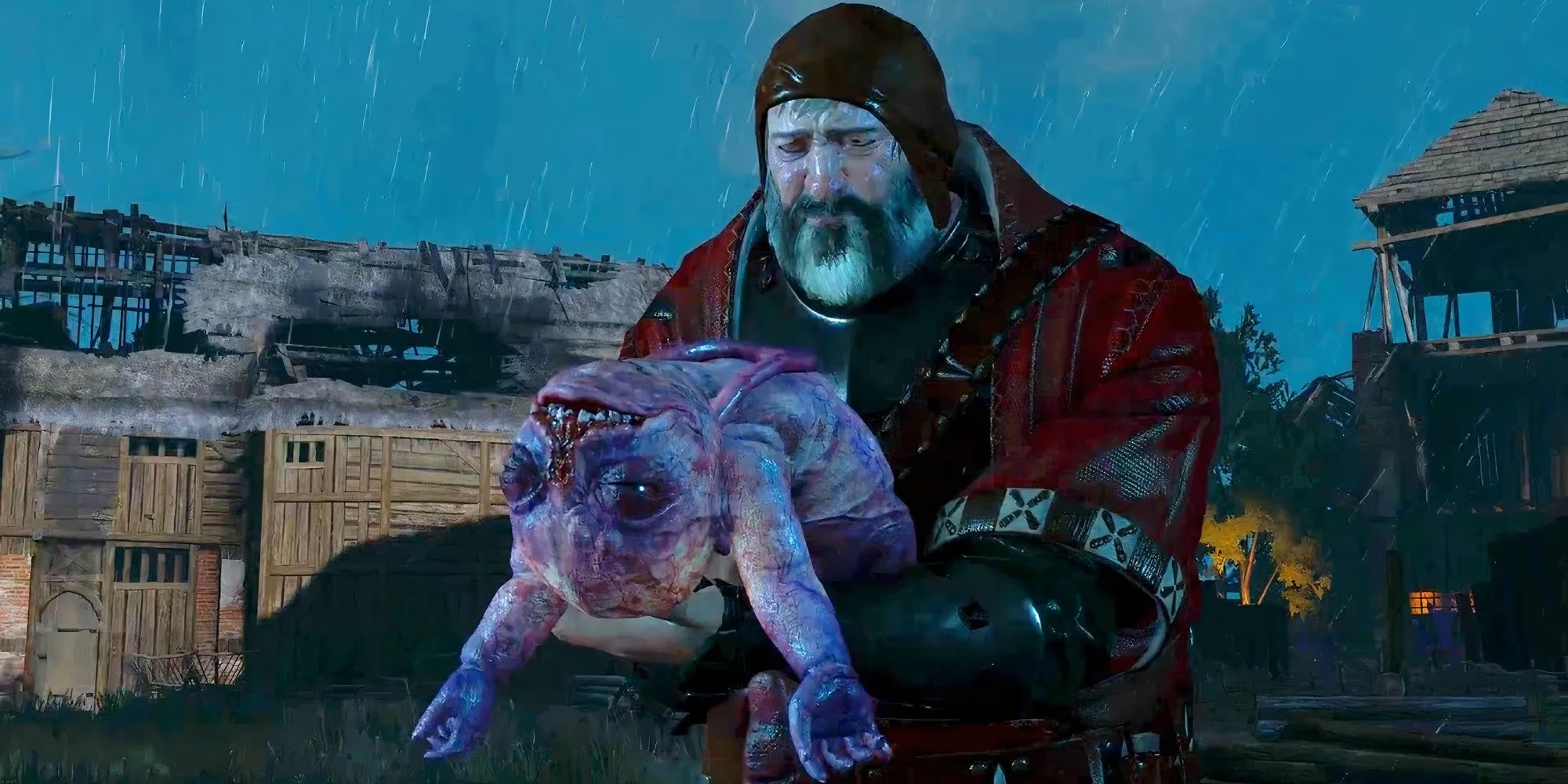
Sasko himself points to the "Family Matters" questline as the textbook example. On the surface, it's a fantasy romp with a creepy botchling (a cursed, undead infant, because why not?). But at its core, it's a devastating portrait of a broken family, abuse, and regret. The game doesn't tell you the Baron is tragic; it shows you his crumbling home, lets you hear the despair in his voice, and makes you participate in the exorcism of his own guilt. You're not an outsider; you're right there in the mud with him.
-
The Legacy Continues: From Velen to Night City 🌃
This philosophy wasn't a one-hit wonder. CD Projekt Red carried this empathetic design straight into Cyberpunk 2077: Phantom Liberty. Remember that tense moment on the train with Songbird (So Mi)? Where she's vulnerable, dying, and laying her truth bare? That scene is a masterclass in leveraging player empathy to drive the entire narrative's climax. The player's emotional connection becomes the most important gameplay mechanic.
Fantasy with a Heart of Authenticity
"Even though it's fantasy... there's a component of authenticity and realism that will touch people," Sasko notes. This is the genius. You can have all the magic and monsters you want, but if the characters' emotions don't feel real, the whole thing falls flat. The designers approached each quest with "deep care and consideration," understanding that players bring their own life experiences to the game. You never know what someone has been through, so crafting stories with genuine emotional stakes ensures they land for a wide audience. It's about finding the human heart beating beneath the fantasy armor.
The Future: Polaris and the Next Chapter
As of 2026, the witchering world is far from over. With the next installment, codenamed Polaris, currently in development, the big question is: will they stick to the recipe? If history is any guide, players can likely expect another hearty serving of empathy-driven, immersive quest design. The legacy of The Witcher 3's quests—from the haunting "Ladies of the Wood" to the morally grey "Carnal Sins"—has set a towering standard. It proved that in a role-playing game, the most powerful weapon isn't a silver sword; it's a story that makes you care. And honestly, that's a level of magic no spell can replicate. The baron's story still hits hard, all these years later... makes you wonder what they've got cooking for us next, doesn't it?