The year is 2026, and the anime landscape is more vibrant than ever, yet a peculiar trend persists: fans still fantasize about escaping into the worlds of their favorite series. The siren call of these animated realms, with their promise of adventure and wonder, remains potent. However, a seasoned gamer knows that not every fantasy is a vacation. Some anime universes are less like a theme park and more like a haunted house designed by a particularly sadistic architect; they're fascinating to observe from the safety of your screen, but you'd beg for a return ticket the moment you arrived. In these dystopian nightmares, characters aren't living—they're surviving, navigating bleaker and more deadly circumstances than a speedrunner facing a no-hit challenge. Let's explore the top-tier anime worlds where the concept of a 'good day' means you're still breathing by sunset.
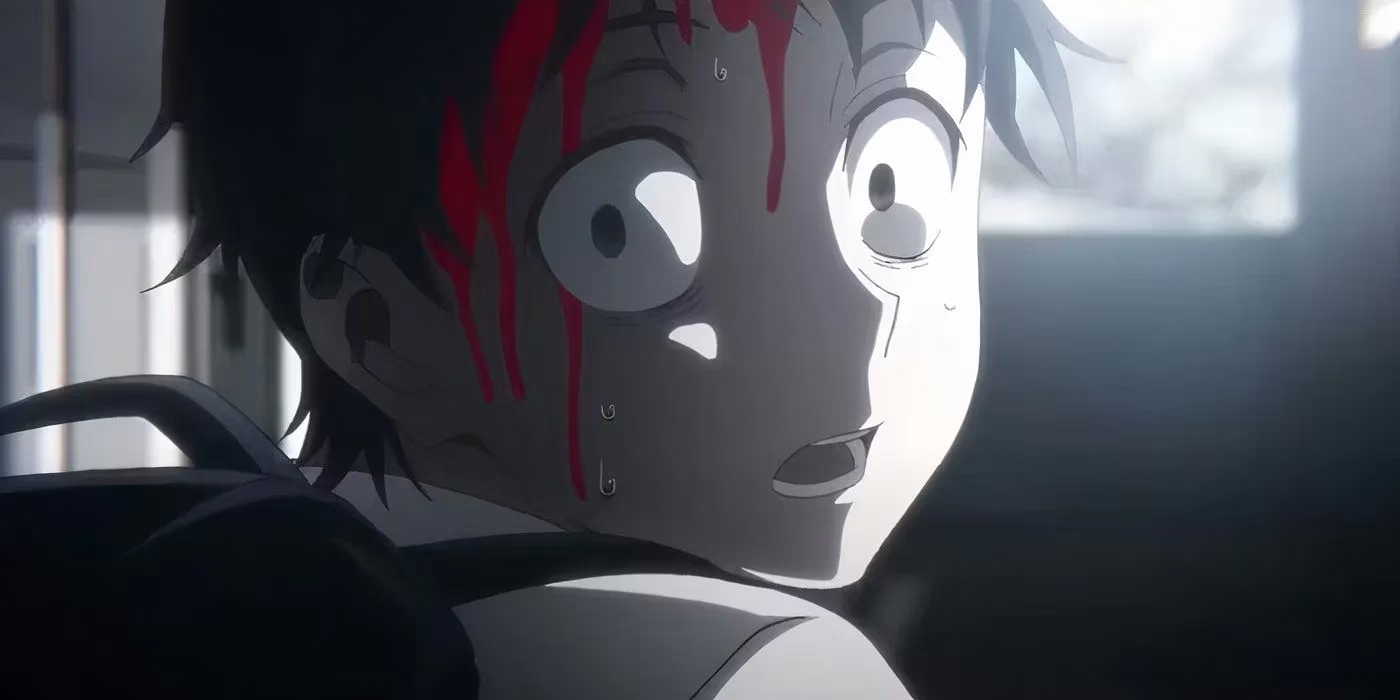
First on our list is Zom 100: Bucket List of the Dead. This series presents a world crumbling under a classic zombie apocalypse, complete with desolate cities, ragtag survivor groups, and a protagonist, Akira, with the parkour skills of a caffeinated squirrel. Yet, its take on dystopia is as unique as a legendary item drop in an RPG. Akira isn't horrified by the apocalypse; he's excited. His pre-apocalypse life as an overworked salaryman was its own form of soul-crushing dystopia—a monotonous hellscape of spreadsheets and existential dread. The zombie outbreak, paradoxically, set him free. Now, the dystopia has stakes and, more importantly, a deadline. The series masterfully balances Akira's quest to complete his whimsical bucket list against the grim reality of evading the shambling undead, creating a narrative as bittersweet as finding a health potion when you're out of mana.
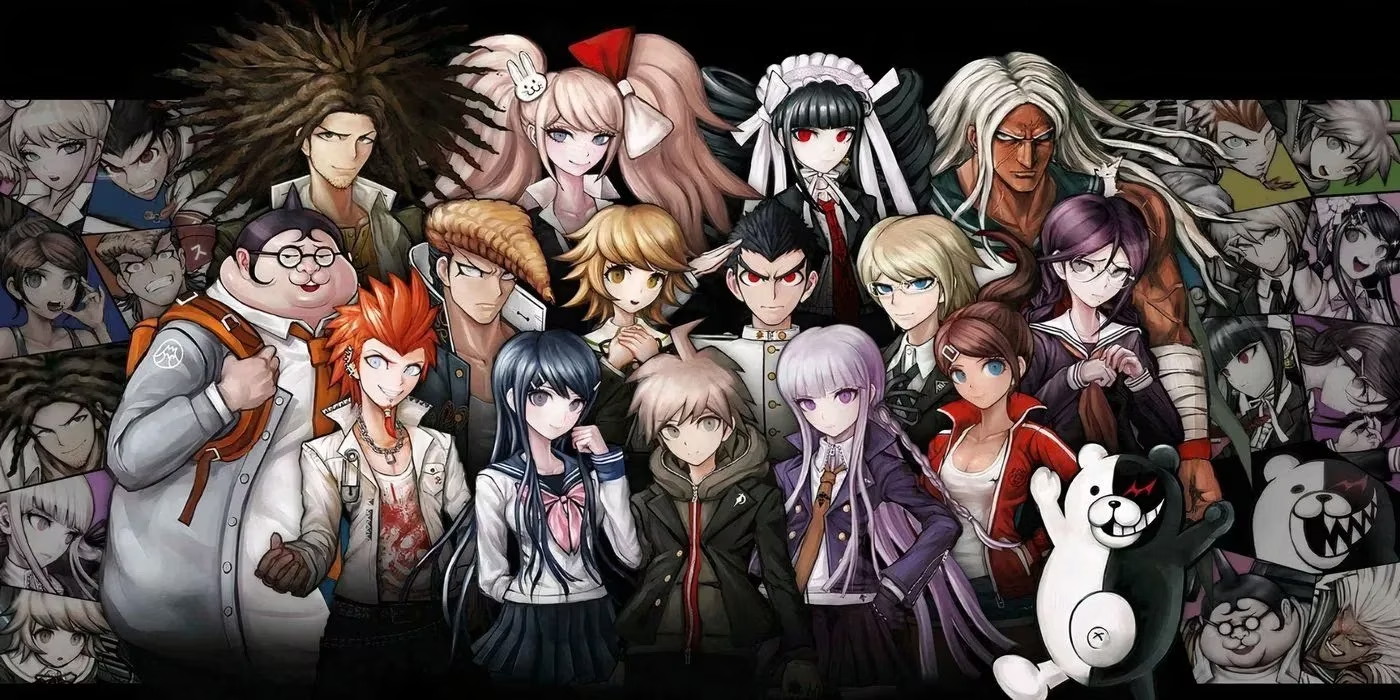
Next, we have the deceptive despair of Danganronpa. On the surface, it's a locked-room murder mystery, but peel back the layer, and you find a world so fundamentally broken it makes a corrupted save file look salvageable. The story traps ulta-talented students in Hope's Peak Academy, transforming it into an arena for a sadistic killing game orchestrated by the robotic bear, Monokuma. Freedom's price? Successfully murder a classmate and get away with it. Fail, and face a creatively gruesome execution. This micro-dystopia, however, is merely a symptom. The true horror lies in the outside world, ravaged by 'The Biggest, Most Awful, Most Tragic Event in Human History'—a cataclysm of social unrest and meaningless death that made the academy's atrocity possible. The world of Danganronpa is a nesting doll of dystopias, each layer more hopeless than the last.
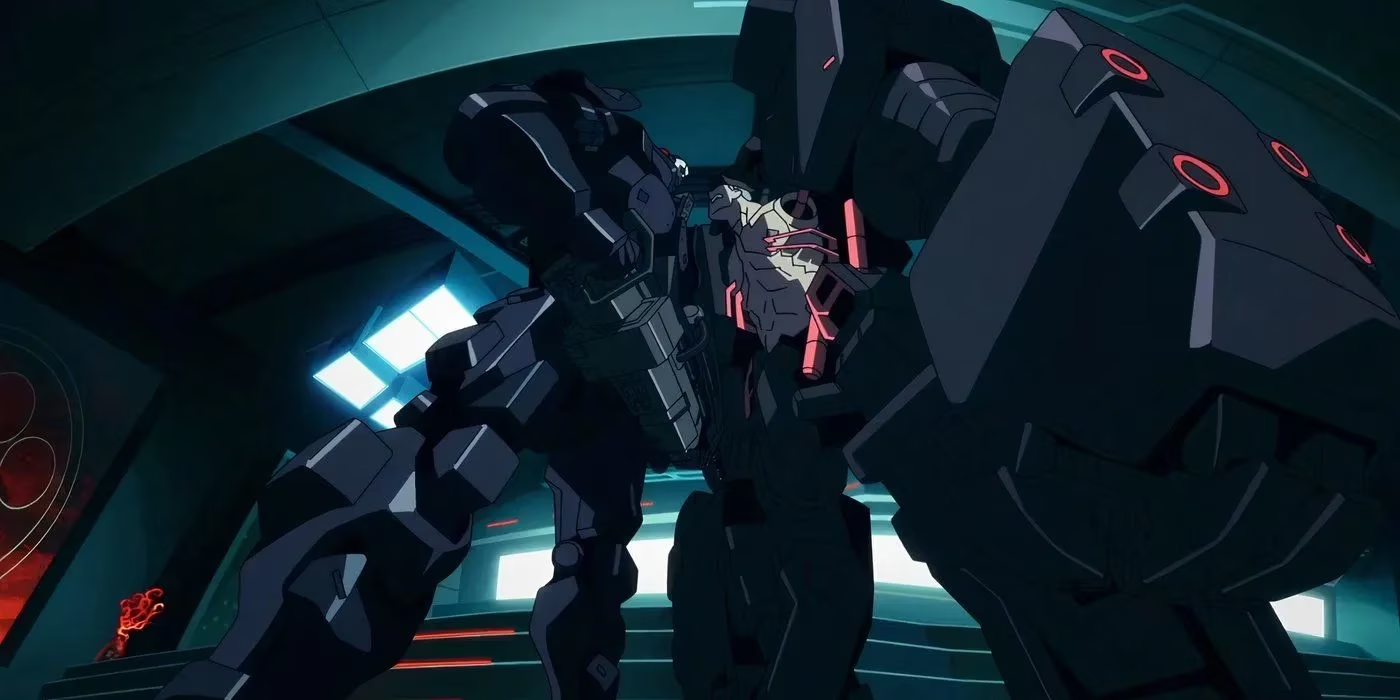
Fast-forward to the techno-nightmare of Cyberpunk: Edgerunners. Set in 2076, this series extrapolates our current corporate and technological obsessions into a future as welcoming as a boss fight with no checkpoints. Night City is a metropolis plagued by a different kind of addiction: cybernetic enhancements. Society is stratified not just by wealth, but by the quality of chrome you can afford. The poor drown in violence and desperation in dangerous districts, while mega-corporations—entities as impersonal and destructive as a server-wide lag spike—fuel the chaos for profit. The story follows David Martinez, a kid from the bottom rung who gets sucked into the life of an 'edgerunner' (a high-risk mercenary). His journey is a brutal illustration of how in this dystopia, the human soul is just another component to be upgraded, sold, or discarded.
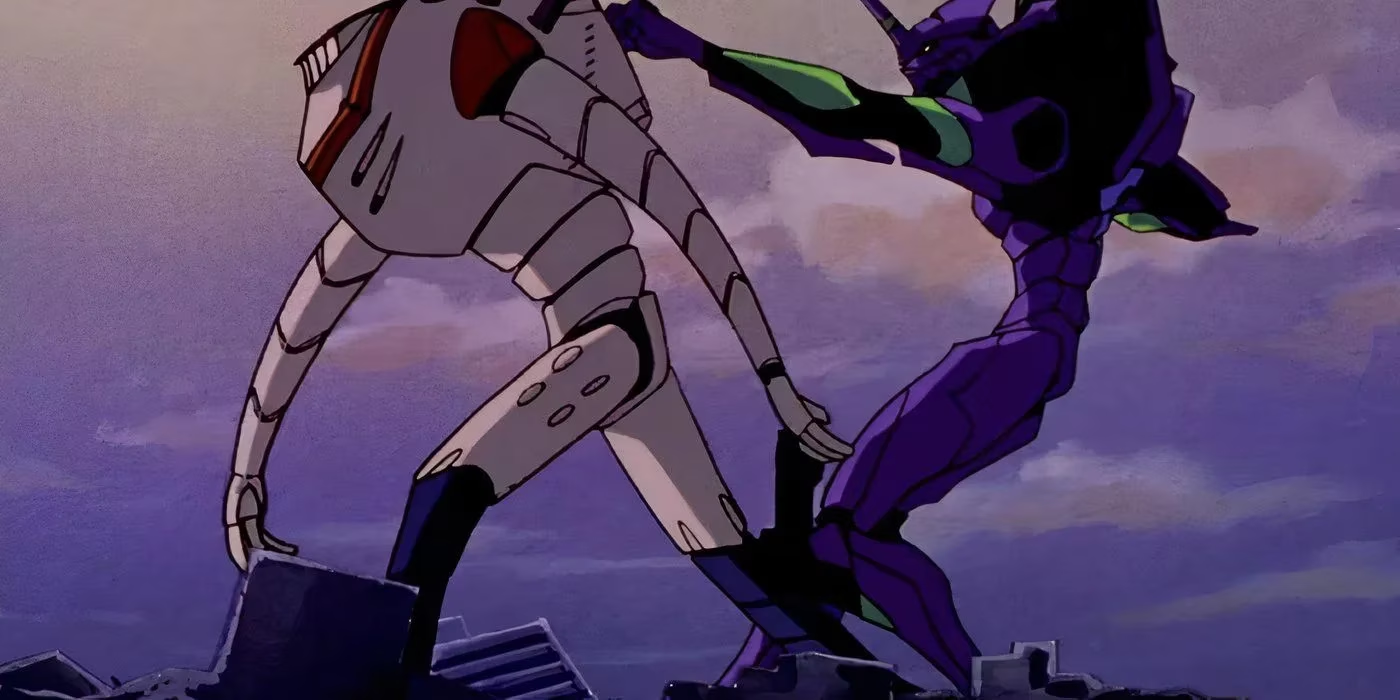
No list is complete without the psychological maelstrom of Neon Genesis Evangelion. This seminal 90s series deconstructed the mecha genre by presenting a world perpetually on the brink of an existential reset. Fifteen years after 'The Second Impact'—a cataclysm that shifted the Earth's axis—humanity cowers behind fortifications, waiting for the next 'Angel' to attack. The last line of defense? Traumatized children piloting biomechanical horrors called EVAs. This isn't a heroic romp; it's a critique of using child soldiers wrapped in a cosmic horror package. The dystopia here is both physical—a scarred planet—and profoundly mental, as the pressure of literally saving the world fractures the already fragile psyches of its young pilots. The world of Evangelion is less a society and more a collective trauma patient, hooked up to life support by an organization with dubious motives.
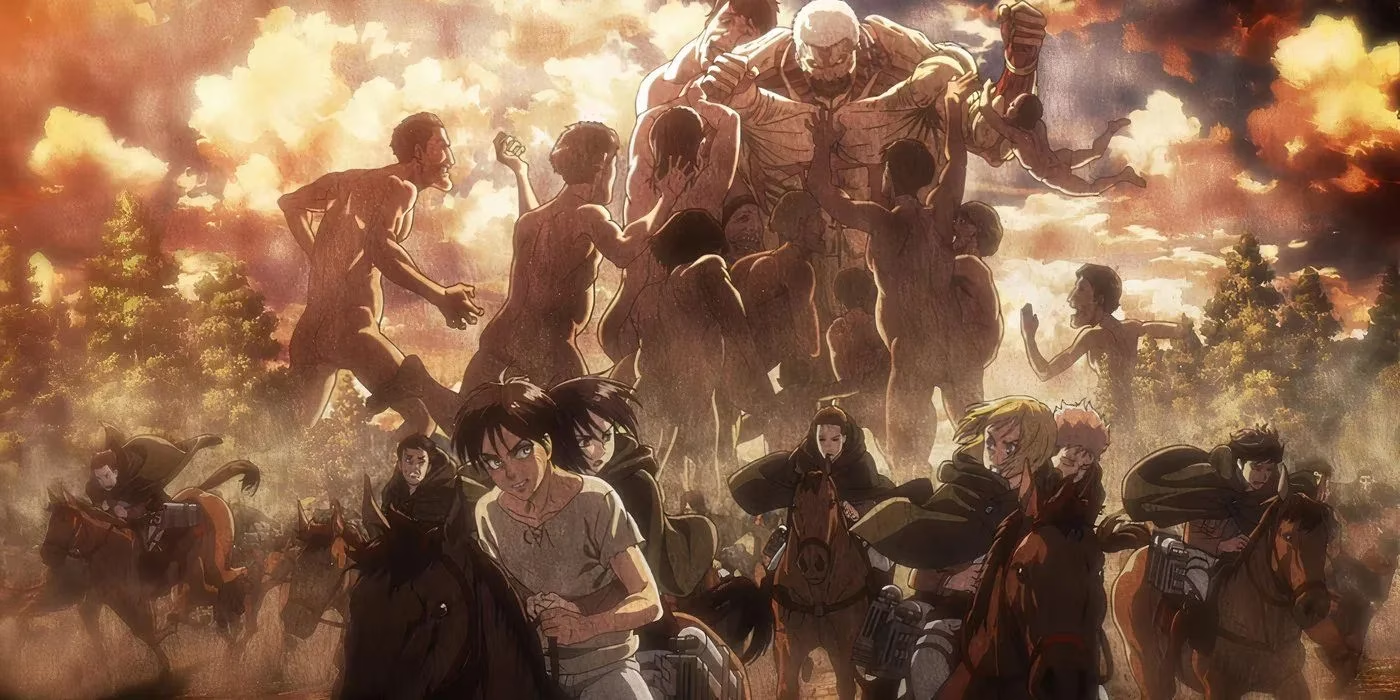
Finally, we arrive at the grand, terrifying epic of Attack on Titan. For most of its run, this series presented one of the most viscerally terrifying dystopias in fiction: a humanity living like cattle behind three concentric walls, forever at the mercy of giant, mindless humanoids with a taste for destruction. The terror of a Titan breach is executed with the precision of a perfectly timed combo finisher, delivering pure, unadulterated dread. But the true genius of its world-building is the reveal. The Titans are not a random plague but a weapon in a centuries-old cycle of racial hatred, political manipulation, and historical grievance. The dystopia expands from a simple monster-survival scenario into a complex, global conflict with no clear heroes, where 'freedom' and 'genocide' become tragically intertwined concepts. It asks a devastating question: What if the walls keeping the monsters out are also the cages keeping your people in?
Why These Worlds Captivate Us
So why do we, as gamers and fans, keep returning to these bleak landscapes? It's not masochism. It's because these series masterfully use their dystopian settings as more than just backdrop; they are active, oppressive characters in their own right.
-
High-Stakes Gameplay Analogy: The constant survival pressure mirrors the tension of a 'Hardcore' or 'Permadeath' mode in a game. Every decision carries weight, and there are no extra lives.
-
Character Crucibles: Dystopian worlds forge fascinating characters. Watching an Akira find joy, a Shinji Ikari crumble, or an Eren Yeager radicalize under extreme pressure is compelling drama you can't get in a cozy slice-of-life.
-
Social Commentary: Like the best dystopian sci-fi, these anime hold a dark mirror to our own world. Corporate greed, systemic oppression, the cost of war, and existential anxiety are all amplified to a terrifying, yet recognizable, degree.
In 2026, as we enjoy the latest isekai power fantasies and fluffy rom-coms, these dystopian titans remain essential viewing. They remind us that sometimes the most powerful stories aren't about escaping to a better world, but about the raw, ugly, and profoundly human struggle to find meaning and hope within a broken one. Just be glad your visit is strictly observational.