As we look ahead to Project Orion, the highly anticipated sequel to Cyberpunk 2077, I can't help but get excited about the potential for evolution. It's 2026, and the gaming landscape has shifted, but some things remain iconic. The tarot cards from the original game are one of those things – they became a weirdly perfect symbol for V's messy, chrome-plated journey through Night City. But let's be real, just bringing them back as-is? That would feel a bit like reheating old synth-burgers. The opportunity here is massive: to reimagine this mechanic from a cool collectible into something that truly breathes with the game's soul.
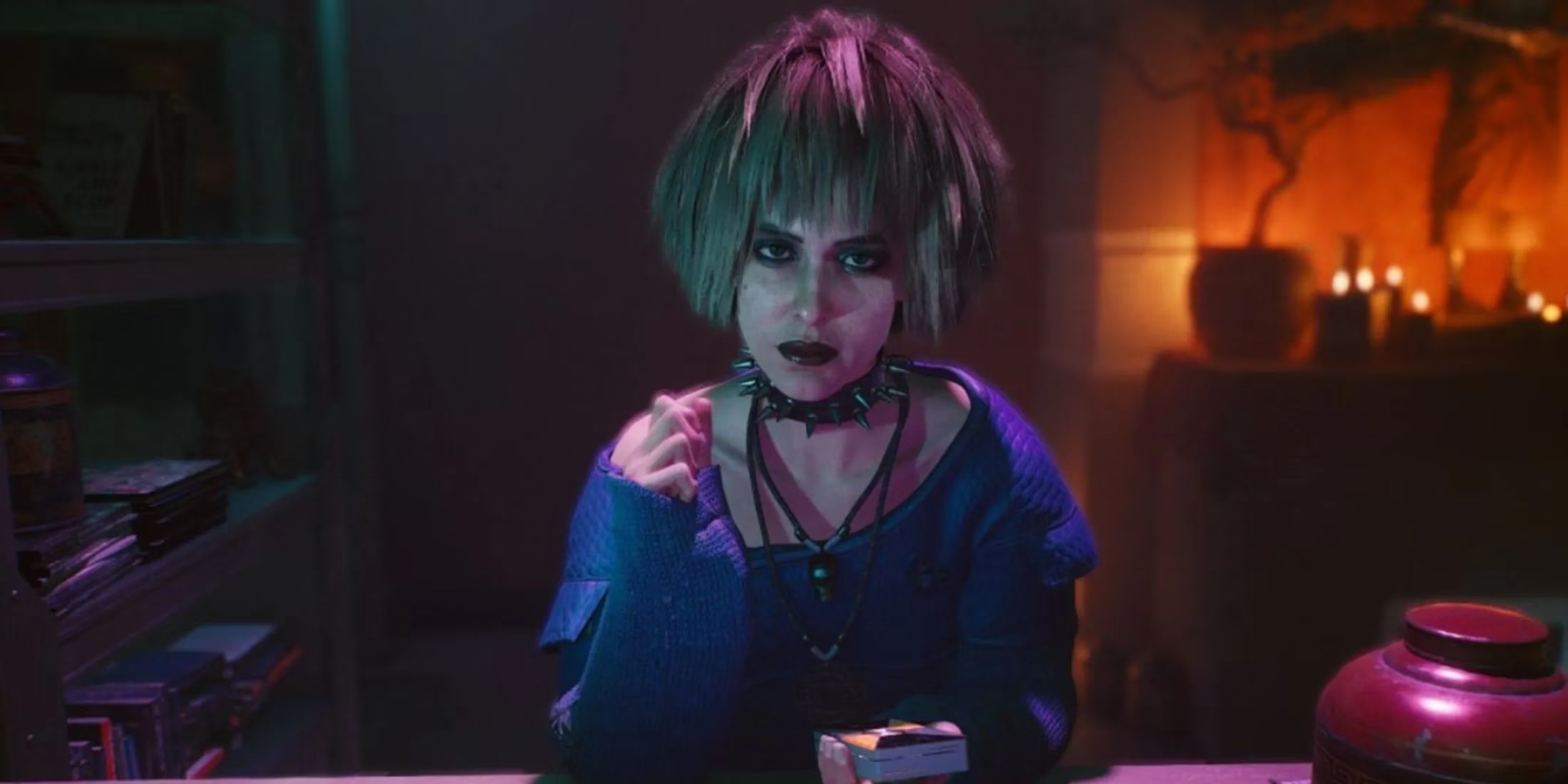
Expanding the Deck: Beyond the Major Arcana
Cyberpunk 2077 played its hand with the major arcana – The Fool, The Emperor, The Devil – and wove them brilliantly into V's story. For Project Orion, the deck needs a fresh shuffle. Why stop at 22 cards? The sequel has a golden chance to delve into the minor arcana – the Cups, Pentacles, Swords, and Wands. Imagine finding a mural not of "The Tower," but of the Five of Swords, representing a pyrrhic victory in some corporate espionage side-quest. Or the Ace of Pentacles hinting at a major economic opportunity that could change the fate of a district. This expansion wouldn't just be for show; it would deepen the lore, allowing the symbolism to touch on the granular, everyday struggles of a new protagonist in a way the major arcana, focused on big archetypes, sometimes couldn't. It's a no-brainer, honestly.
From Static Murals to Interactive Gameplay Tools
Here's where the magic (or should I say, the high-tech augury) needs to happen. In 2077, the tarot cards were beautiful, poignant... and kinda just there. You found a mural, got a bit of voiceover, and that was that. For Project Orion, the cards need to get their hands dirty. They should be more than symbols; they should be tools.
-
Strategic Collectibles: Imagine a system where collecting certain cards unlocks unique dialogue trees, opens hidden paths, or even modifies your standing with factions. Finding "The Chariot" might give you a persistent boost in vehicle-related missions or negotiations.
-
Dynamic Story Influencers: Each card could represent a key decision point or a facet of your character's development. Instead of a card just commenting on your story, it could shape it. Choosing a path of ruthless ambition might "lock in" The Emperor card to your character profile, affecting how certain NPCs perceive and interact with you.
-
Active World Elements: What if some cards weren't just painted on walls? What if they were physical objects held by key characters, data-shards with encrypted fortunes, or even holographic projections in elite corpo lounges? Making them part of the world's physical fabric would be a huge step up.
This approach turns tarot from a side-activity into a woven part of the gameplay loop. They'd be more than collectibles; they'd be representations of your journey, your growth, and the paths you carved through the neon jungle. Of course, the devs would need to walk a fine line – keeping it grounded in Cyberpunk's tech-noir vibe without veering into full-blown, out-of-place mysticism. But hey, in a world of talking AI and soulkilled engrams, a little symbolic foresight doesn't seem so far-fetched.
Learning from the Masters: Tarot as a Thematic Pillar
We don't have to look far for a blueprint on how to do this right. The Persona series has used tarot as a recurring, foundational motif for decades without it getting stale. It's a staple fans anticipate. Project Orion could adopt a similar philosophy, making tarot a thematic cornerstone of the series' identity. It wouldn't be a one-off gimmick; it would be part of the DNA.
The key is avoiding predictability. If the ending of Project Orion once again just slaps a single card on the screen like "The Sun" or "The Star," it might feel… well, a bit lazy for a sequel. We've seen that trick before.
Instead, picture this: your ending isn't defined by one card, but by a spread. The final moments could show a reading of, say, three cards that represent the complex outcomes of your choices.
| Your Ending Spread | What It Could Symbolize |
|---|---|
| The Tower + Two of Cups + The World | A revolutionary act (Tower) that forged a powerful, genuine bond (Two of Cups), leading to a new beginning for the city (The World). |
| The Devil + Ace of Pentacles + The Fool | Being trapped by a corrosive deal or addiction (Devil), gaining immense wealth but losing your soul (Ace of Pentacles), and setting off on a new journey utterly changed (The Fool). |
This approach makes the tarot a nuanced lore device and a personalized summary of your story. It becomes a thematic pillar — a way to reflect on the journey in the game's own symbolic language. It's deeper, it's more personal, and it sure as hell wouldn't feel like a rehash.
So, as we count down to Project Orion, my hope is that CD Projekt Red sees the tarot not as a box to check, but as a living system to develop. From expanding the deck to making cards interactive and weaving them into the ending with real nuance, the potential is staring us right in the face. Here's to hoping they play their cards right. The future of Night City's soul might just depend on it.
In the meantime, the community itself is doing what it does best: keeping Night City alive. From ambitious modding projects to deep-dive lore discussions, there's no shortage of ways to stay connected to this universe while we wait for official updates before diving back in for another playthrough.
And if your hype for Project Orion is pushing you to finally grab the base game, its DLC, or some new gaming gear to pair with your rig, a quick stop at a trusted deal hub like DealNest can help you stretch your eddies a little further. After all, every seasoned Netrunner knows that smart spending is just another kind of survival strategy.