Well, let me tell you, as a gamer who finally saw Cyberpunk 2077 find its feet after a rocky start, my anticipation for its sequel, codenamed Project Orion, is through the roof. The cyberpunk genre, born from classics like Neuromancer, isn't just about neon and chrome—it's about staring down the barrel of technological progress and asking what it means to be human. Cyberpunk 2077 certainly waded into those waters, especially with Johnny Silverhand's engram making us all think about consciousness. But if you ask me, it only scratched the surface. For Project Orion to really nail the genre, it needs to take a page from one of the base game's most chilling quests, 'Dream On,' and run with its terrifying implications. I mean, seriously, that quest stuck with me long after the credits rolled.
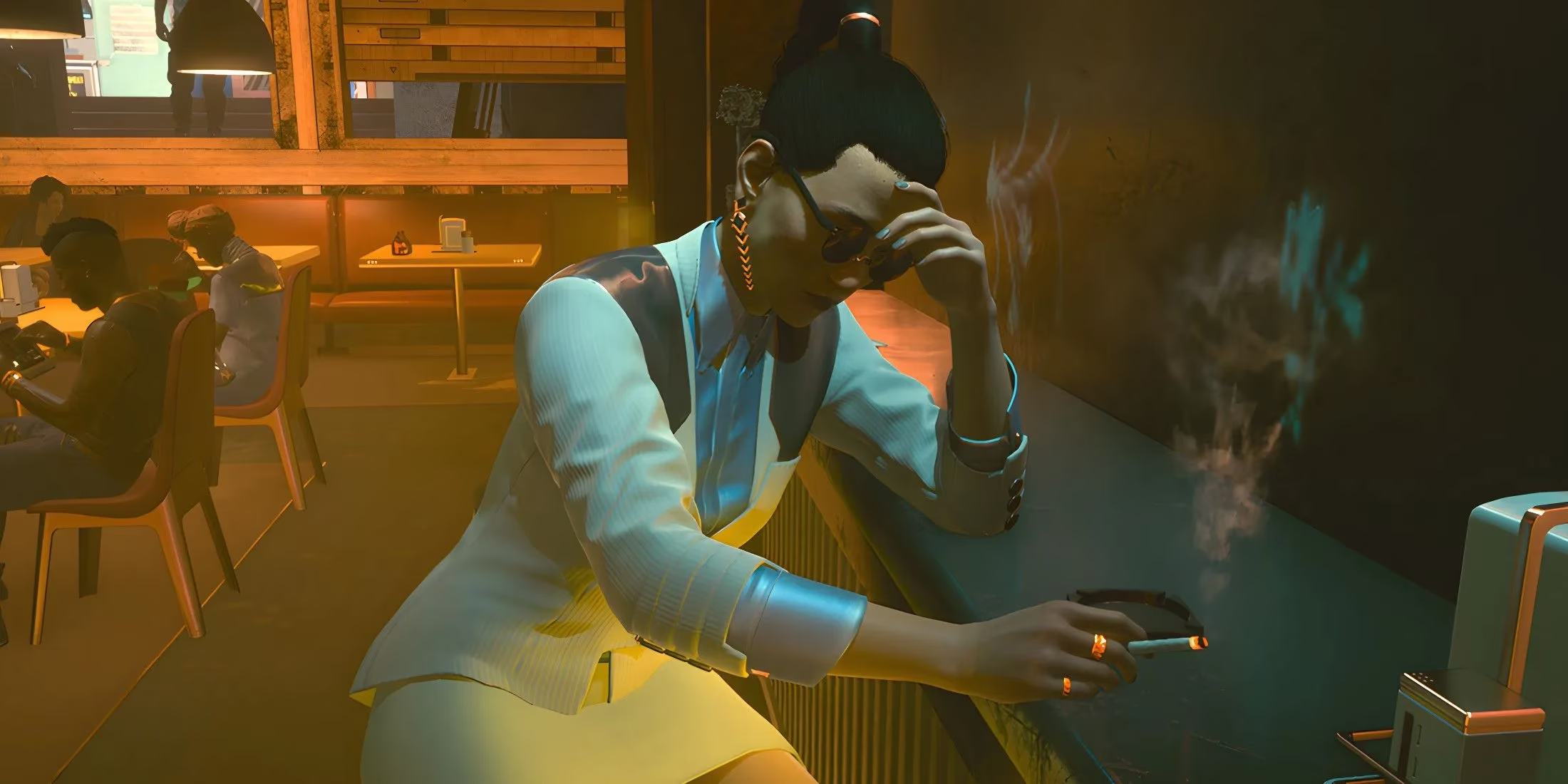
The 'Dream On' quest involved working for Jefferson Peralez, a mayoral candidate for Night City Council, and his wife, Elizabeth. They hired V to investigate a supposed break-in at their penthouse. Right from the jump, things felt... off. Jefferson claimed he shot an intruder before blacking out, but the private security firm on duty swore nothing happened. And the couple themselves? They were acting strange, forgetting details from their own lives. It was like watching a glitch in a person. As my investigation with Johnny deepened, we peeled back layers to reveal one of the most intimate and disturbing twists in the game: the Peralezes were being brainwashed. A shadowy organization was using advanced tech to puppet their minds, manipulating them for their own ends.
The climax of the quest left me with a brutal choice: tell Jefferson the horrifying truth, condemning him to a life of paranoia, or let him live in blissful ignorance, a pawn in someone else's game. There was no 'win' button, no way to stop the brainwashing. That feeling of powerlessness, of facing a systemic evil you can't just shoot, was the real horror. It wasn't about monsters; it was about the loss of self.
Now, fast forward to 2026. We're living in a world where the line between human and machine is blurrier than ever. The 'Dream On' quest tapped into a primal fear for this era: what if they can change your mind? Imagine that technology, not in some lab, but weaponized by special interests to control politicians, CEOs, anyone with influence. It's terrifying on a personal level—losing your own thoughts is a nightmare—but on a societal scale? It's apocalyptic. If a mayor's will isn't his own, what happens to democracy? To justice? The quest made this feel terrifyingly plausible.
For Project Orion, this is the goldmine. Phantom Liberty already upped the ante with political spy thrillers. Project Orion needs to take that foundation and inject it with the sweaty, paranoid DNA of 'Dream On,' but on a much grander scale. Think The Manchurian Candidate, but with neural implants and corporate warfare. The potential is huge:
-
Expanded Scope: What if it's not just one couple, but an entire political faction, or even key figures within the NCPD, being manipulated?
-
Player Agency: Could we become targets? Imagine gameplay sections where we have to fight against implanted suggestions or distorted memories.
-
Moral Complexity: The quest shouldn't just present a binary choice. The new game could weave a web of conspiracy where every 'ally' might be compromised, and every truth could be a planted lie.
Leaning into these themes of psychological manipulation and loss of autonomy would allow Project Orion to deliver the true, philosophical horror the cyberpunk genre promises. It's about more than chrome; it's about the soul. And honestly, after 'Dream On,' I don't think I'll ever look at a politician—or my own memories—quite the same way again. The stage is set for something truly special, if CD Projekt Red has the guts to go all in. Let's see what nightmares they can cook up for us next.