You know what I love most about diving into a great RPG? It's that incredible feeling of shaping my own destiny. I'm not just following a story; I'm crafting it, building a unique character whose abilities and growth path are a direct reflection of my own choices and playstyle. This beautiful customization is the heart of the genre, and nothing embodies that spirit more than a well-designed Skill Tree. These branching, unlockable ability paths are the tools that let us truly inhabit our digital avatars, transforming them from simple sprites into extensions of our own strategic minds. Over the years, I've explored countless worlds, and the following list is my personal homage to the RPGs whose skill systems left the deepest mark on me. These are the games that made me think, experiment, and, most importantly, feel powerful in my own unique way.
10. CrossCode: The Indie Powerhouse
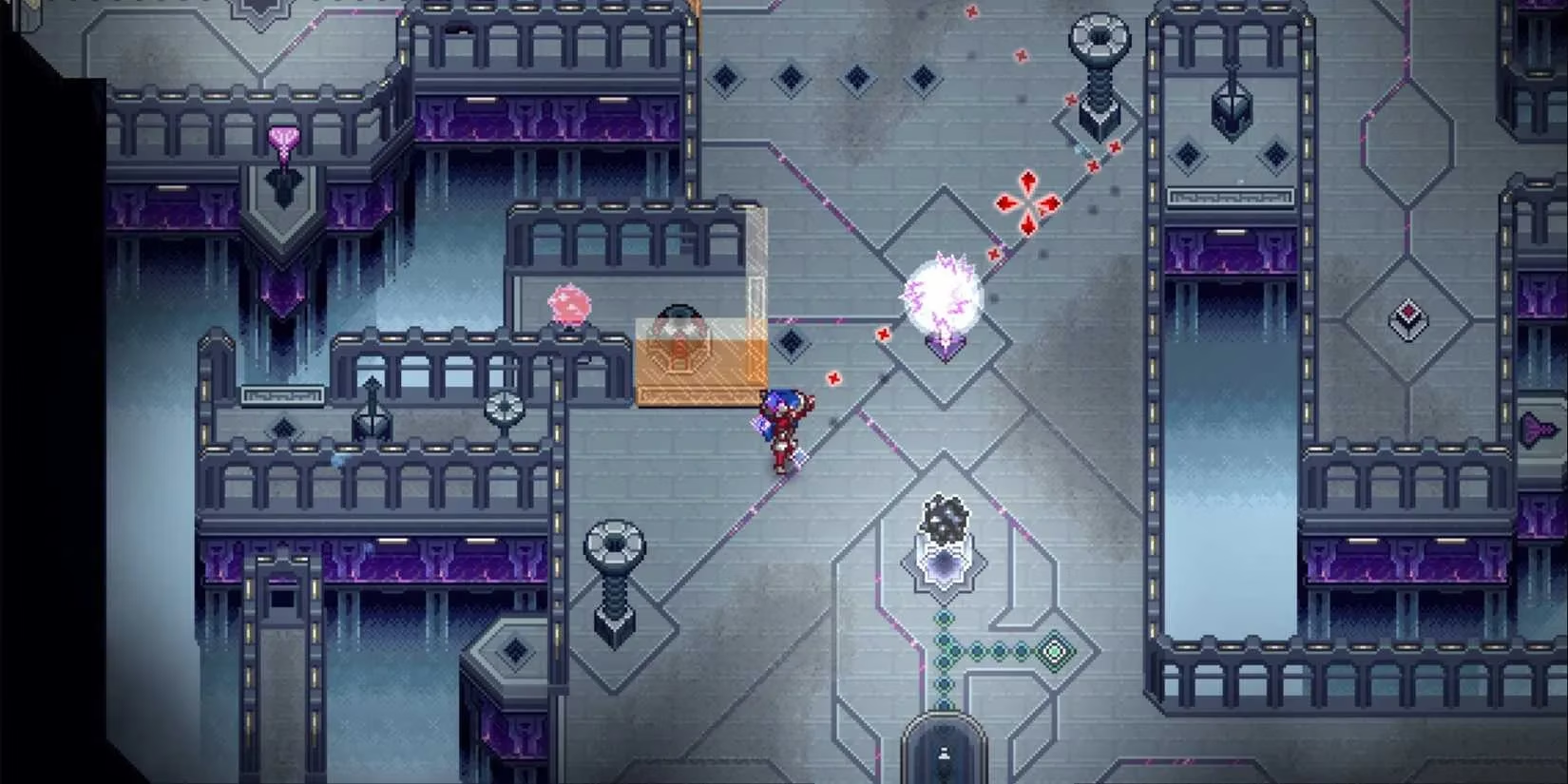
Man, did this game ever surprise me! CrossCode is a brilliant reminder of the magic independent developers can conjure. Its vibrant, retro aesthetic might fool you into thinking it's a simple throwback, but beneath that colorful surface lies a combat and progression system of astonishing depth. The game's 'Circuit' and 'Combat Arts' systems—its version of a skill tree—offer a staggering array of possibilities. With dozens of active and passive skills spread across branches you can dynamically switch between, the level of customization is genuinely mind-boggling. I lost countless hours just tinkering with different builds, constantly discovering new synergies. The sheer volume of strategic content hidden within its engaging gameplay is something every RPG fan should experience.
9. Grim Dawn: Mastering the Art of Synergy
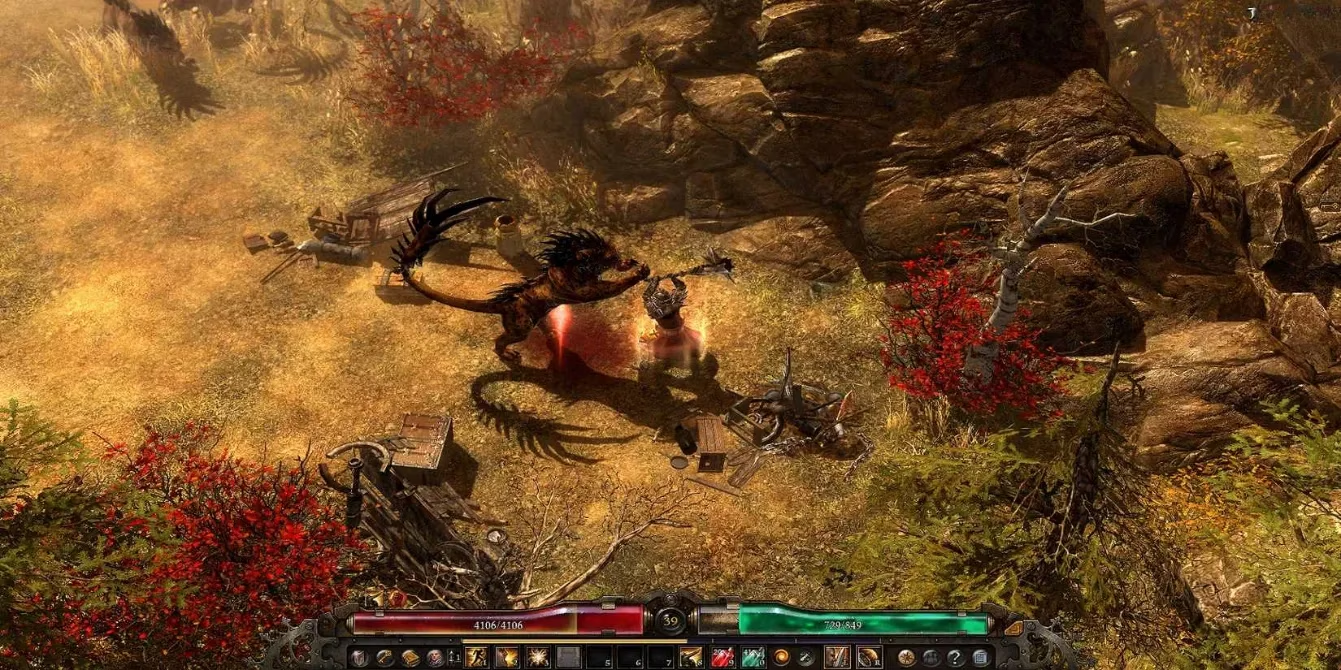
As a longtime fan of action RPGs, I'm always on the lookout for titles that respect the classics while forging their own path. Grim Dawn does exactly that. Its genius lies in the 'Mastery' system, which elegantly evolves into a dual-class mechanic. You start by choosing one of nine distinct classes with its own skill tree, but soon you select a second, allowing you to upgrade two extensive skill trees simultaneously. The real joy comes from the experimentation; combining these masteries creates wholly new, unique specializations tailored perfectly to how I wanted to play. While its roots in the Diablo formula are clear, the sheer replayability offered by its synergistic systems makes it a standout.
8. Path of Exile: The Colossus of Passivity
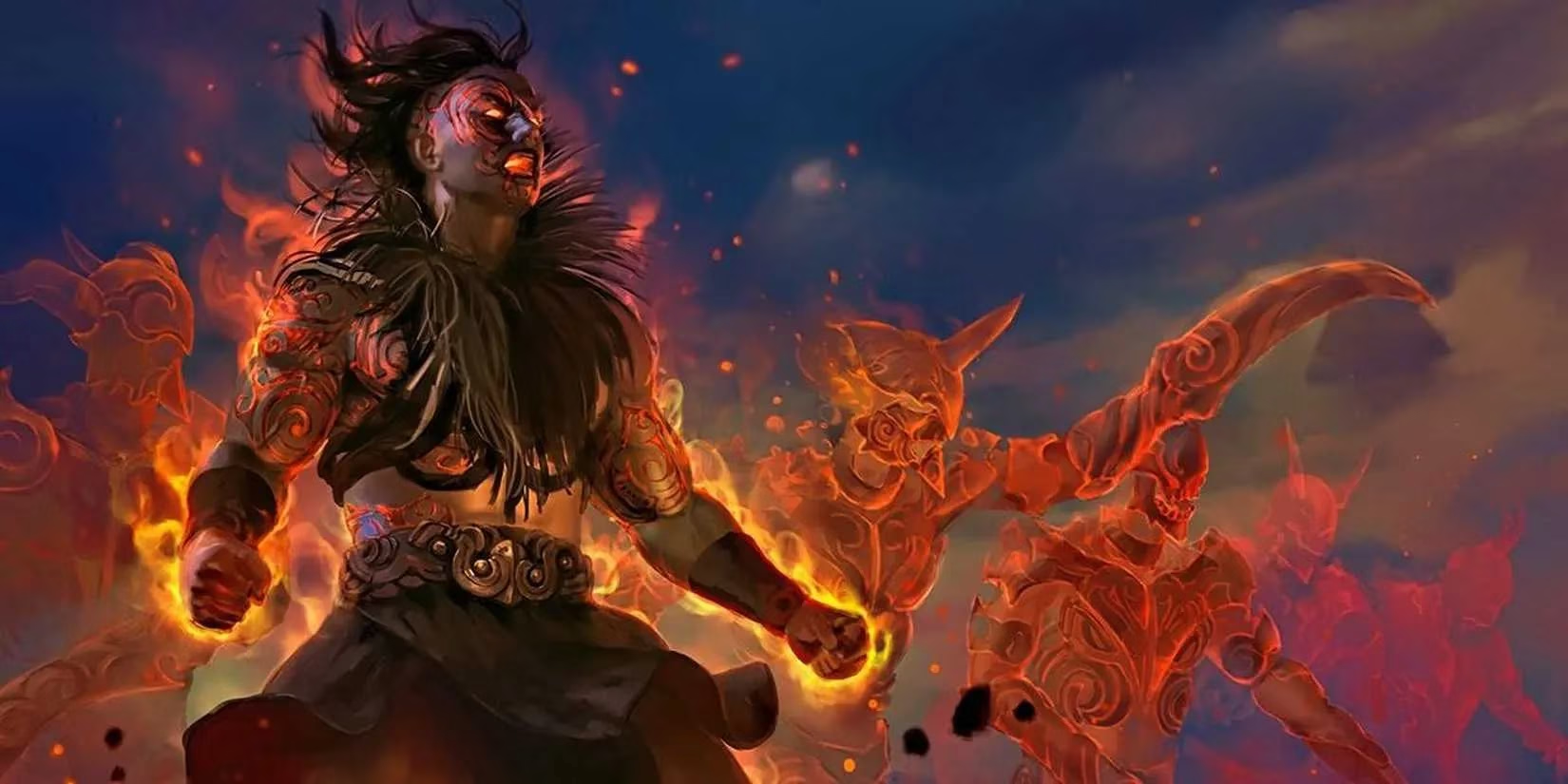
Let's talk about a system so vast it's legendary. Path of Exile's Passive Skill Tree is less of a tree and more of a sprawling, interconnected galaxy of possibilities. With over 1,300 passive nodes, it represents a level of character customization that is both awe-inspiring and, frankly, a little intimidating. Every point spent feels like a permanent commitment to a particular path, shaping your character's fundamental strengths and weaknesses. The depth it adds is unparalleled. I've spent more time planning builds on external websites than actually playing some other games! It earns its place here not through active abilities, but through the sheer density and world-building its passive framework provides to the gameplay.
7. Kingdoms of Amalur: Reckoning: Freedom of Fate
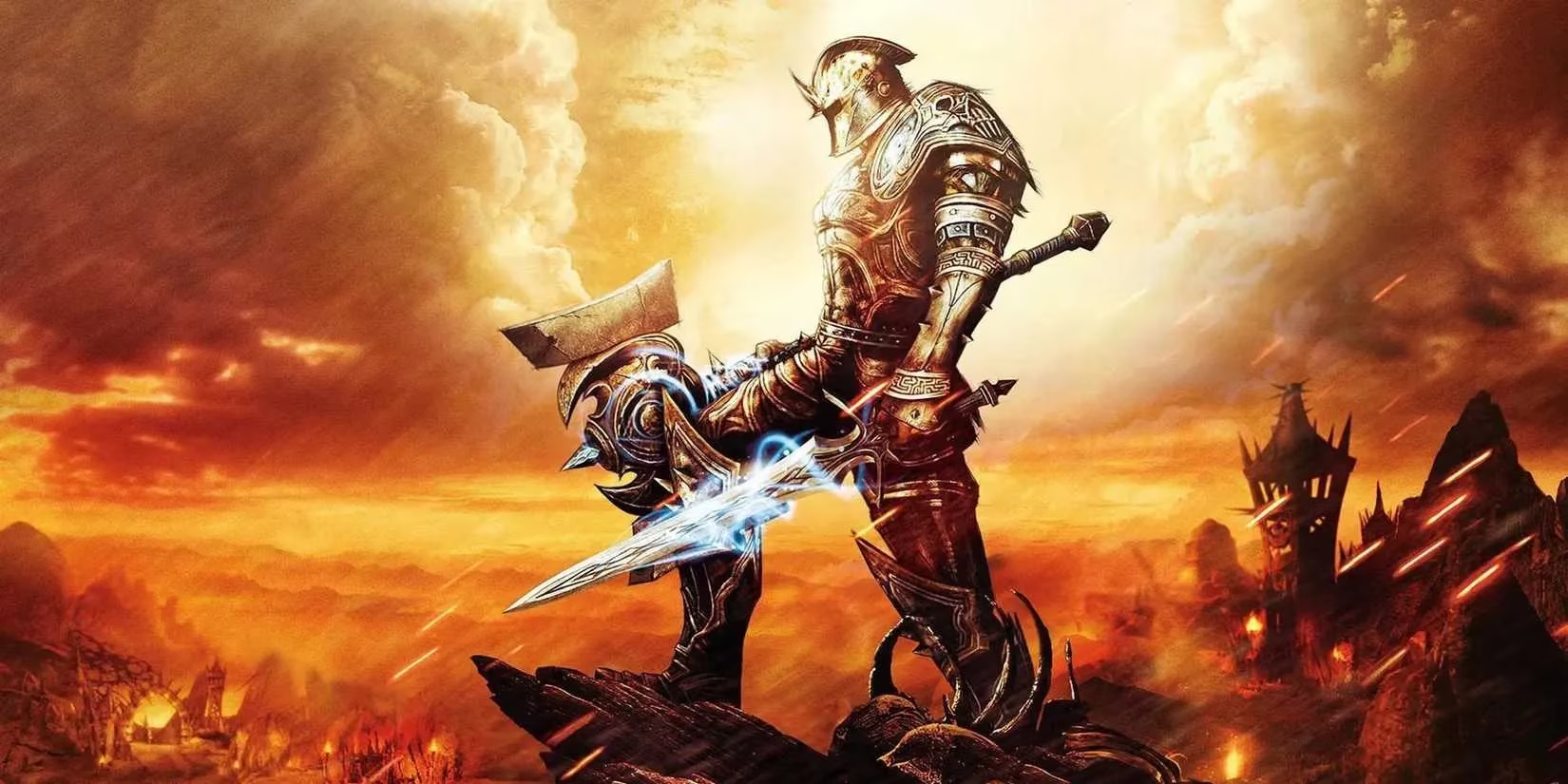
This is a gem that never got the spotlight it deserved. Kingdoms of Amalur: Reckoning presents a classic, satisfying fantasy RPG experience with a skill system that brilliantly encourages experimentation. Its 'Destiny' system sits atop the traditional skill trees. By choosing special destiny cards, you can dramatically alter your character's passive bonuses and playstyle. The best part? You can respec your skill points and change your destiny at almost any time with minimal penalty. This lack of permanent commitment actively stimulates and rewards playful experimentation, letting me try out a stealthy rogue one moment and a fiery battlemage the next without starting a new game. It’s a system designed for fun first.
6. The Witcher 3: Wild Hunt: Tactical Witcher Craft
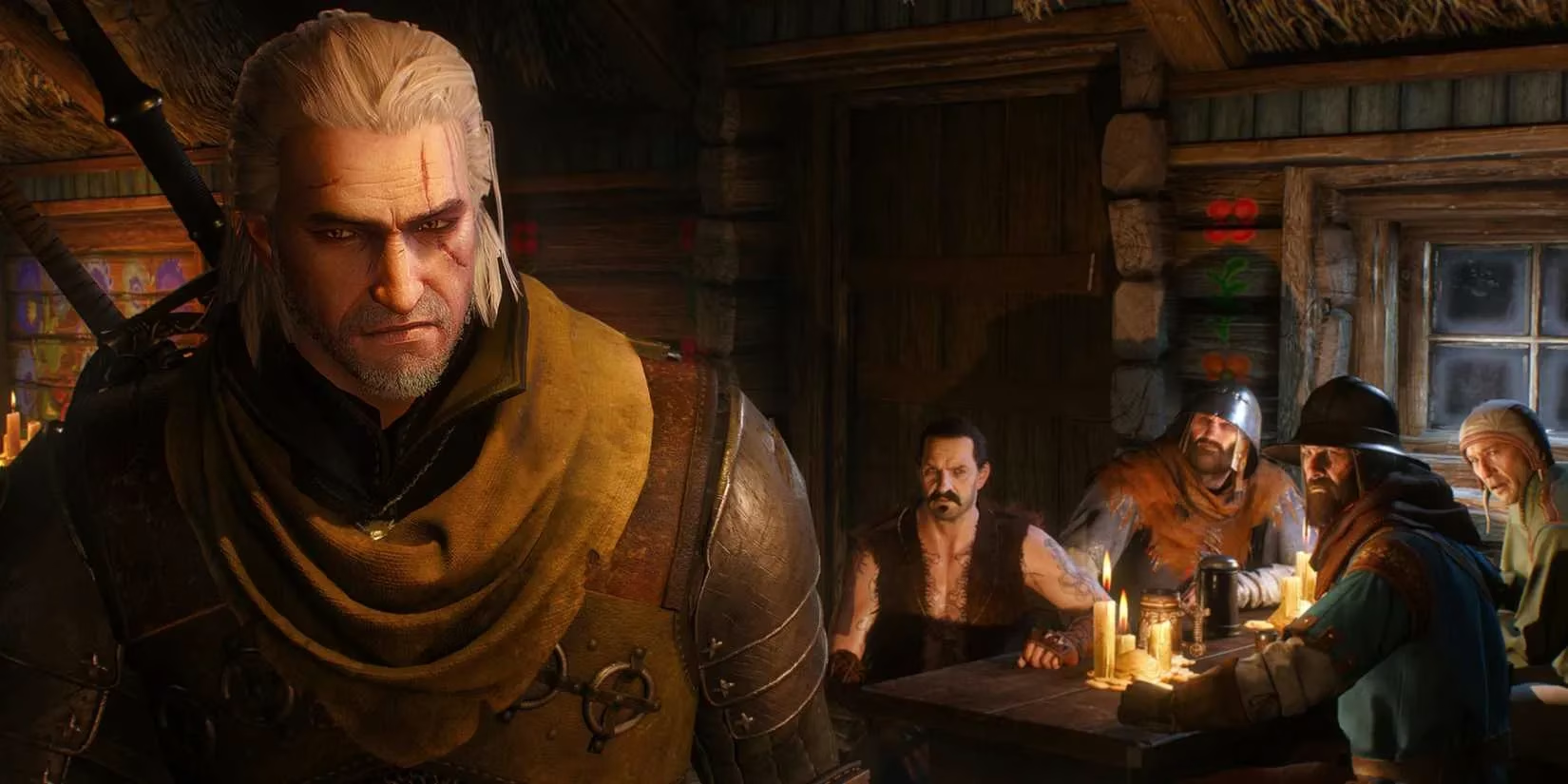
The Witcher 3 takes a different, more focused approach. Instead of choosing a class, you are Geralt of Rivia, a professional monster hunter. His skill trees are deeply rooted in the lore: the mystical Signs, deadly swordplay, potent alchemy, and general survival techniques. This makes the progression feel incredibly authentic. The focus here is intensely tactical; every ability you unlock directly changes how you approach combat, whether it's enhancing a defensive Quen shield, making poisons more lethal, or allowing for devastating sword combos. It strikes a perfect balance—more complex and strategic than many mainstream RPGs, yet more accessible than the behemoth that is Path of Exile. It makes you feel like a smarter, more prepared Witcher with every point spent.
5. Diablo 3: The Gateway to Depth
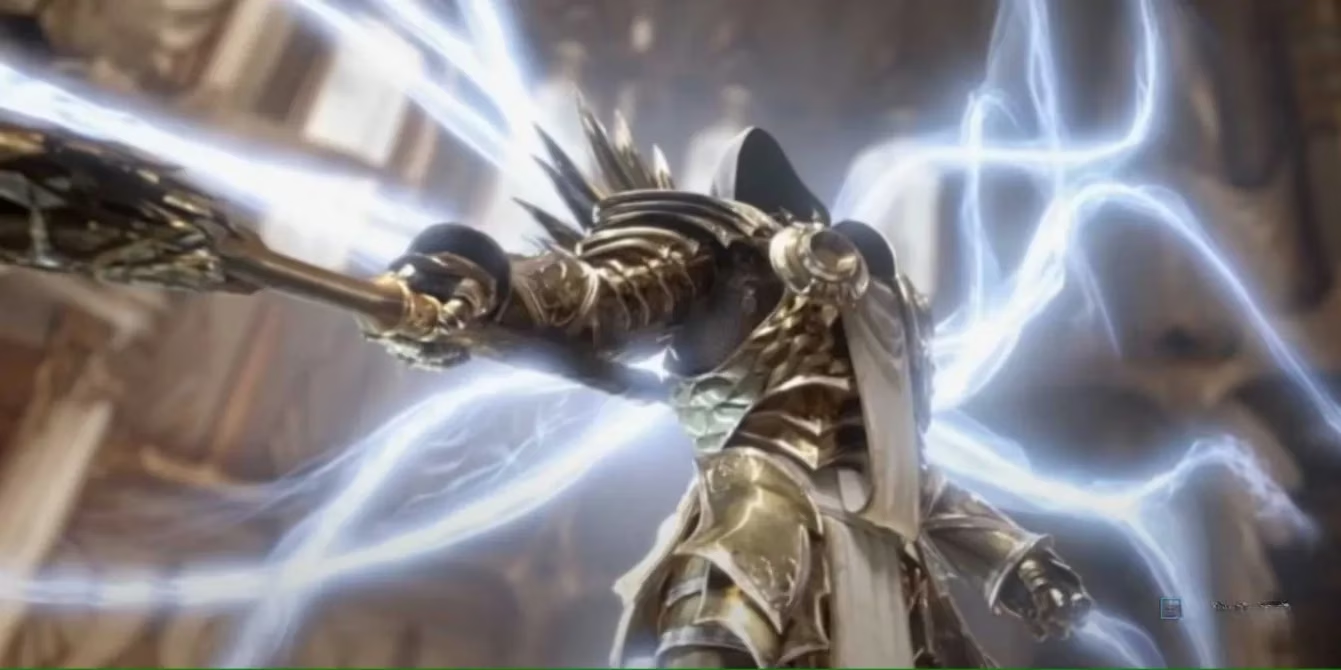
I have a soft spot for Diablo 3. It streamlined the franchise's sometimes-overwhelming RPG mechanics, creating a system that is incredibly easy to pick up but still offers remarkable depth for those who seek it. Its skill trees (or rather, its rune-modifier system for each skill) allow for on-the-fly experimentation. You're not locked into a build; you can swap abilities freely, encouraging you to try wild combinations without fear of ruining your character. This approach lowered the barrier to entry dramatically. Diablo 3 found an ideal equilibrium, welcoming genre newcomers while keeping veterans engaged with its pursuit of perfect legendary gear and Greater Rift pushes. It’s the definition of accessible, addictive depth.
4. World of Warcraft: The Enduring Pioneer
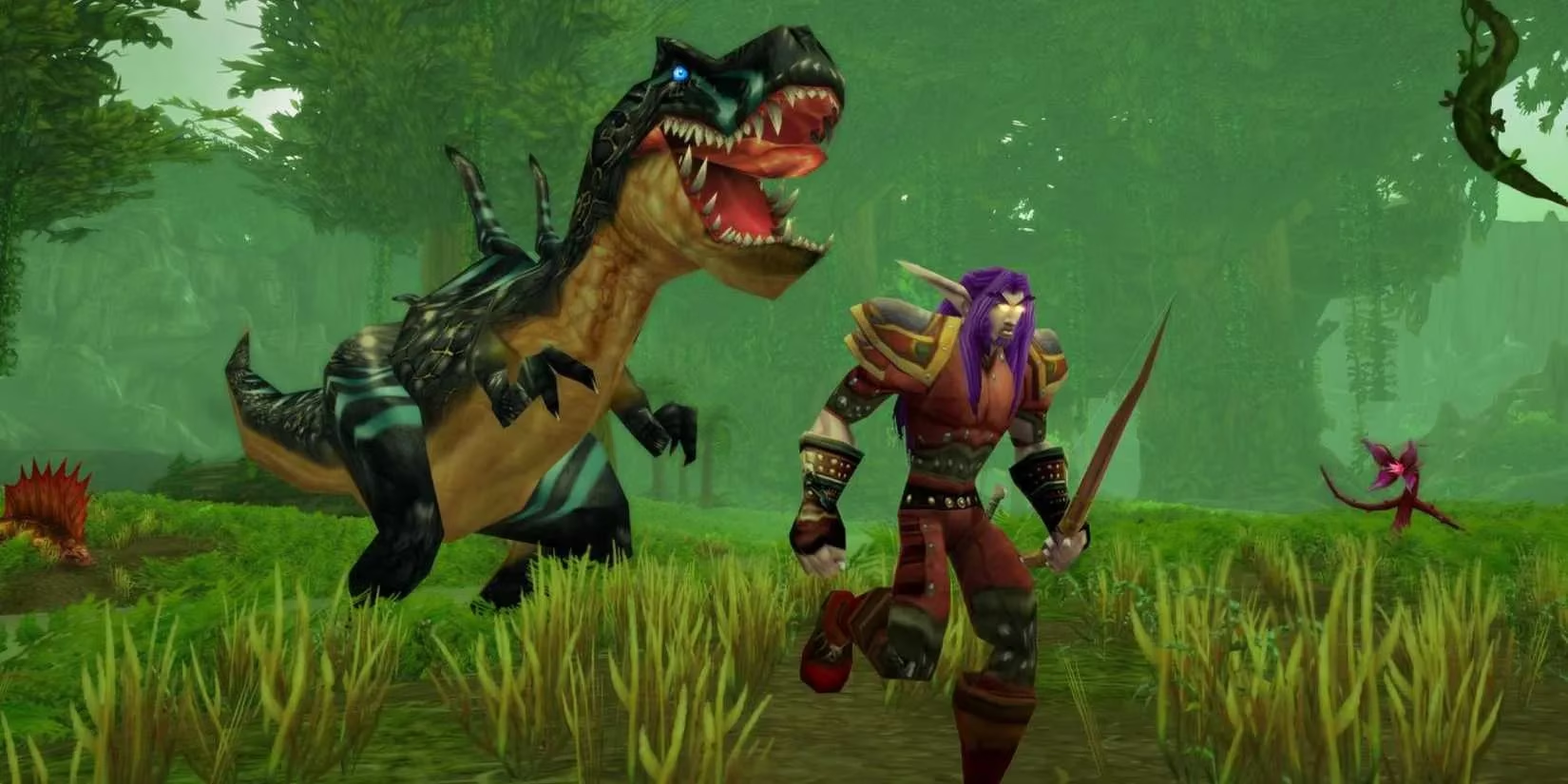
You can't discuss RPG progression without tipping your hat to World of Warcraft. While Diablo popularized skill trees, WoB brought them into the living rooms of millions, defining the MMORPG experience for a generation. Its talent system has evolved over the decades, shifting from massive trees to more focused choices and back again, but it has never lost its core appeal of complex, meaningful customization. Entire communities and countless online tools exist just to theorycraft the optimal 'build.' While the modern game can sometimes feel like a min-maxing numbers game, I choose to focus on the sheer joy of personalizing my character's growth. The journey of unlocking that perfect combination of talents for a dungeon or raid remains uniquely satisfying.
3. Cyberpunk 2077: Creative Autonomy Unleashed

The evolution of Cyberpunk 2077's skill system is a testament to CD Projekt RED's commitment. The 2.0 overhaul and Phantom Liberty expansion transformed it from a good system into a phenomenal one. Now, the skill trees for Body, Reflexes, Technical Ability, Intelligence, and Cool are packed with ingenious abilities that grant genuine creative autonomy. Want to be a netrunner who hacks enemies through walls? A sandy-wielding samurai who cuts down a room in seconds? A tech-heavy engineer who turns the environment into a weapon? The trees support these fantasies with specific, impactful perks that fundamentally change gameplay. It’s so detailed they even launched an official online build planner—now that's dedication to player expression!
2. Salt and Sanctuary: The Indie Behemoth
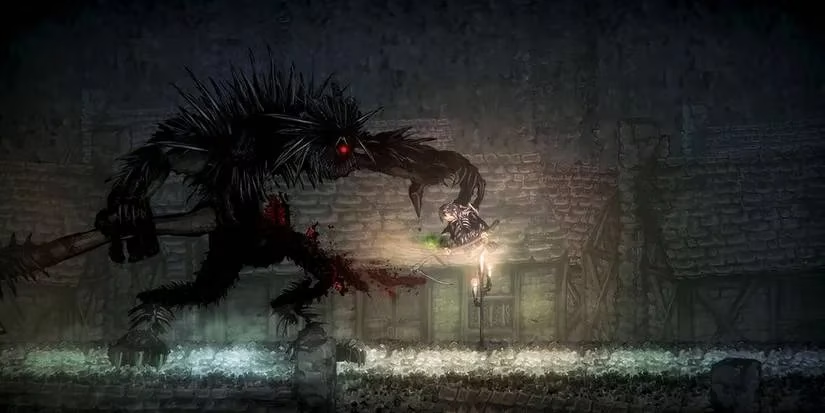
Don't let the 2D visuals fool you—Salt and Sanctuary boasts one of the most expansive and intimidating skill trees I've ever encountered. It's a massive, sprawling web of nodes that puts many AAA games to shame. Progressing through it feels like charting a course across a continent of possibilities. You can hybridize classes in endless ways, creating a heavily armored mage or a nimble greatsword wielder. The simple act of experimenting with its hundreds of potential variations is profoundly rewarding. It perfectly complements the game's challenging Souls-like nature, as your build choices directly impact your survival. It's proof that the most complex and satisfying systems don't always need a blockbuster budget.
1. The Elder Scrolls V: Skyrim: The Pinnacle of Organic Growth
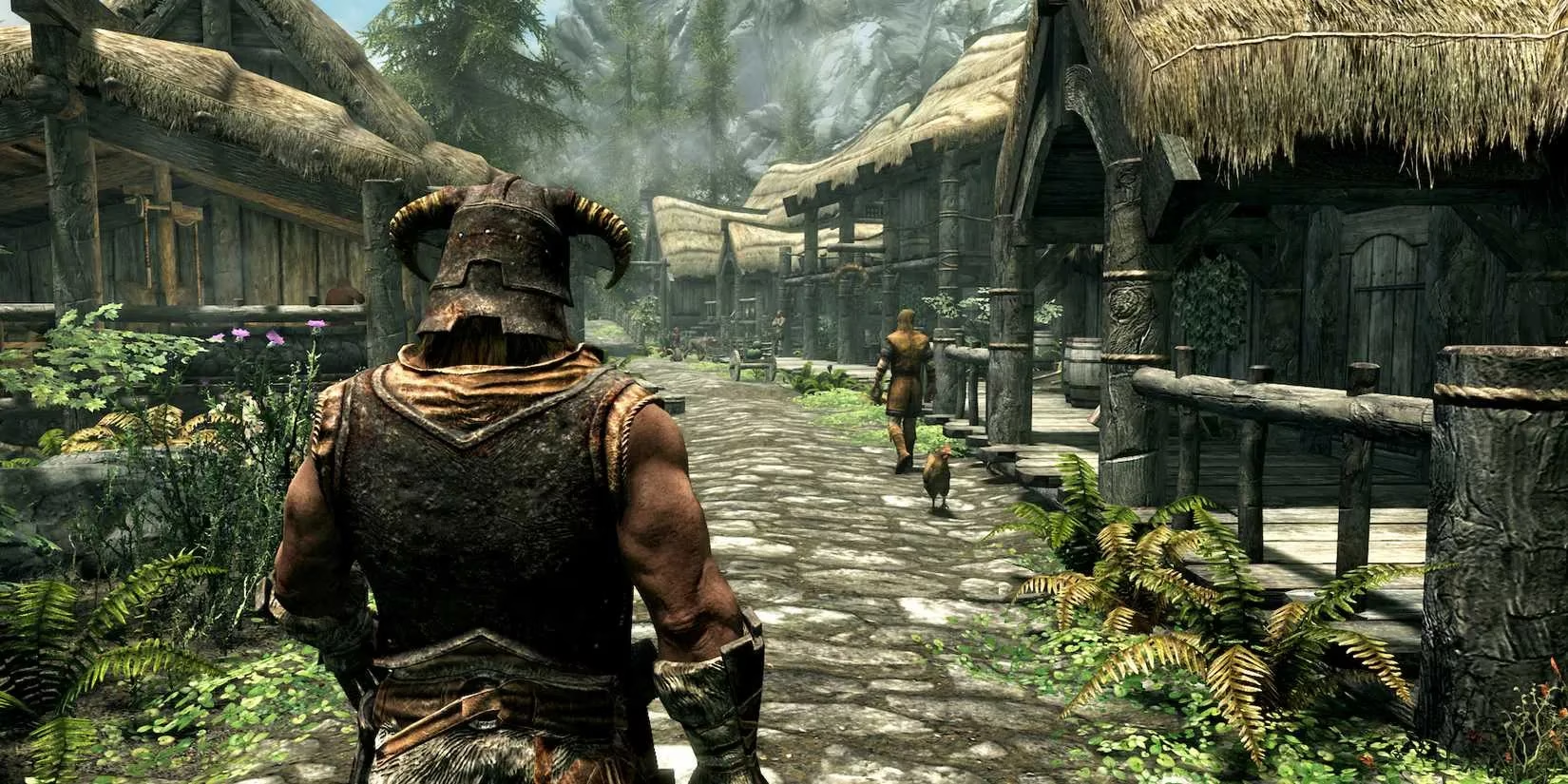
And here we are, at the top. For me, Skyrim's approach to skill trees remains the gold standard for one simple reason: immersion. Its progression isn't about arbitrary point allocation; it's about lived experience. Your One-Handed skill improves by using one-handed weapons. Your Speech skill improves by bartering and persuading. Your Smithing skill improves by forging weapons and armor. This creates an unbreakable connection between the player's actions and the character's mechanical growth. You don't just decide to 'become' a mage; you live as one, casting spells to solve problems and watching your Magicka pool and potency grow as a result. With eighteen distinct skill trees, Skyrim allows you to have the exact experience you desire, as long as you commit to it in the world itself. It’s a logical, immersive, and utterly brilliant system that reminds me why this game is a timeless classic. It doesn't just give you a skill tree; it gives you a life to build within its world.
Looking back at this journey from 2026, it's incredible to see how these games have shaped my understanding of player agency. From the indie brilliance of CrossCode and Salt and Sanctuary to the genre-defining pillars like Skyrim and World of Warcraft, each of these RPGs understands that true customization comes from giving players meaningful choices that resonate with their personal playstyle. The best skill trees aren't just menus; they are narratives of growth, written one skill point at a time.
For players looking to dive deeper into the world of RPGs and discover even more games with intricate skill trees, there are numerous resources to explore. Whether you're seeking hidden gems, tips on optimizing your builds, or discussions about the evolution of RPG mechanics, the journey doesn't have to end here. The beauty of these games lies in their ability to inspire curiosity and creativity, encouraging players to experiment and refine their strategies.
If you're eager to expand your gaming horizons or simply want to stay updated with the latest in RPGs, Lootbar is a fantastic place to start. The platform offers insights and resources tailored to RPG enthusiasts, making it an excellent companion for anyone passionate about exploring the depth and complexity these games have to offer.