It's 2026, and man, the world outside my window sometimes feels like it's straight out of a cyberpunk flick. All that talk about corporate overreach, tech implants, and surveillance? It's not just sci-fi anymore, it's our Tuesday. As a lifelong gamer, I've always found solace and eerie familiarity in exploring digital dystopias. These virtual megacities, with their neon-drenched rain and towering corporate spires, aren't just playgrounds—they're reflections, warnings, and sometimes, weirdly comforting visions of what might be. Let me take you on a ride through the ones that have stuck with me the most.
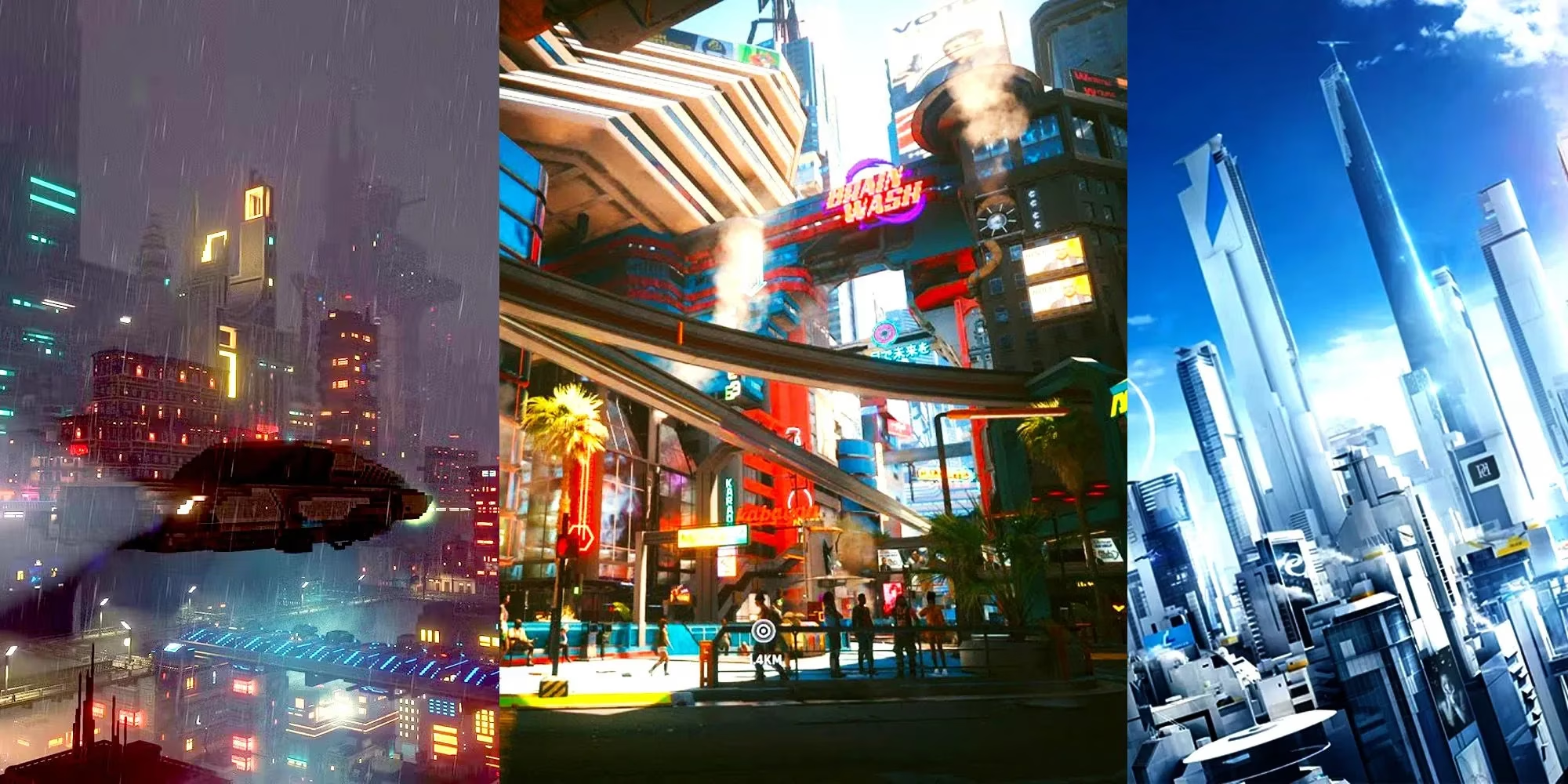
My journey often starts in the most chill, yet deeply atmospheric place: Nivalis from Cloudpunk. Man, that game was a vibe. Released back in 2020 by ION Lands, stepping into the shoes of a delivery driver for the semi-legal company 'Cloudpunk' was my kind of zen. Cruising through that rain-slicked, voxel-art city in my flying car, the HOVA, with lo-fi beats in the background... it was pure magic. But don't let the relaxed delivery gameplay fool you. This city was alive. Every package had a story—a tale of corporate espionage, a whispered murder mystery, or a conversation with a sentient AI dog. It was slice-of-life cyberpunk at its finest, showing that the soul of the genre isn't just in the gunfights, but in the stories of the people (and androids) just trying to get by. I heard a sequel, just called Nivalis, is expanding on that world, and I'm all in for more time in that pixelated paradise.
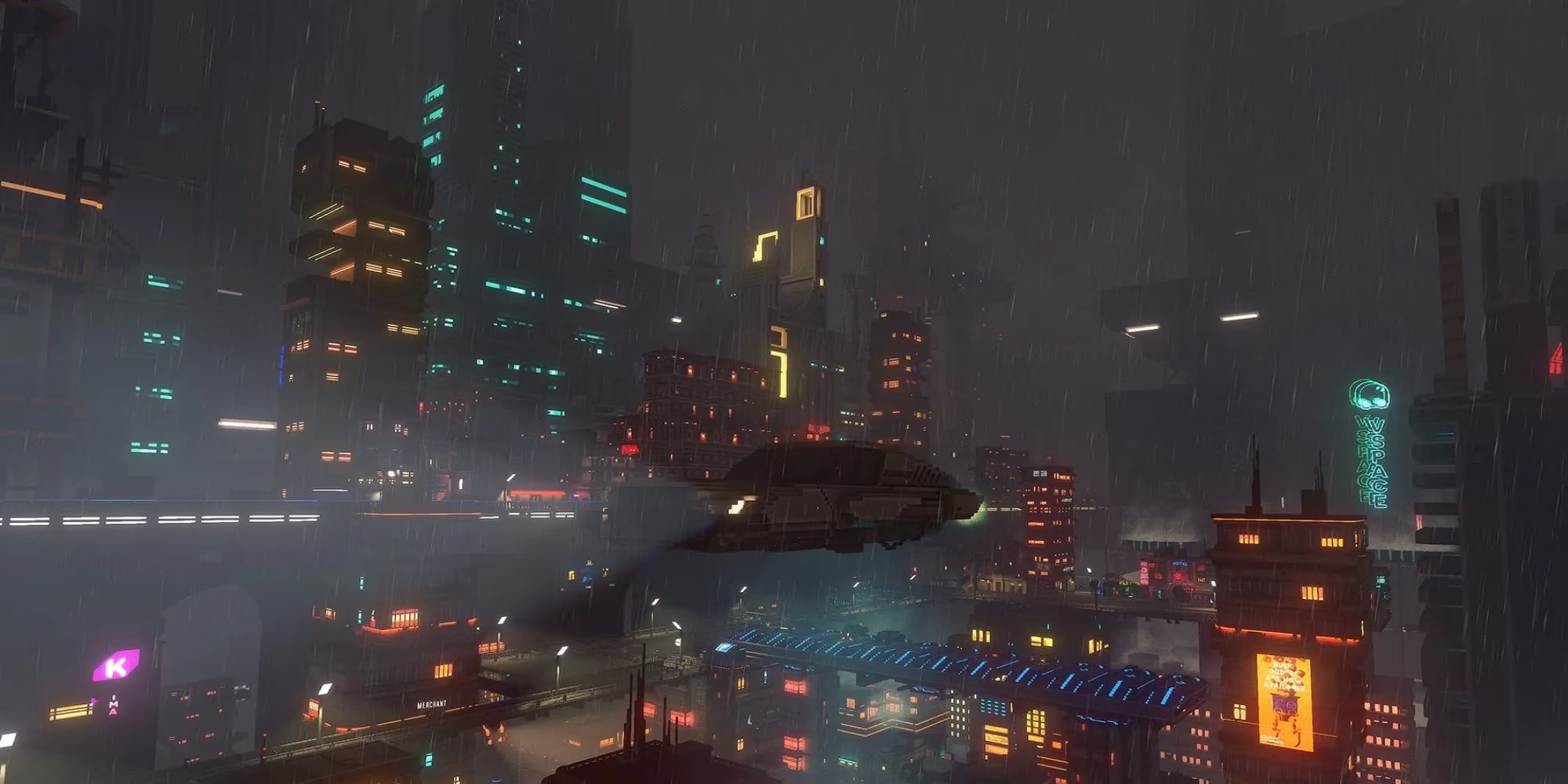
From the fantastical to the frighteningly familiar, Ubisoft's near-future London in Watch Dogs: Legion hit different. Sure, the game had its issues at launch, but dang, did they nail the setting. Walking through a dystopian Camden Market or seeing the London Eye under the thumb of the private military company Albion was a gut punch. It took the places I'd seen in pictures and films and gave them a sinister, plausible tech overhaul. Using eight real boroughs made it feel grounded in a way few other cyberpunk cities do. It wasn't a fictional nightmare; it was our nightmare, just a few bad elections and corporate mergers away. Exploring it with my recruited team of everyday Londoners, each with their own skills, made the city feel like a character itself—one worth fighting for.
Then there are the classics, the blueprints. Prague in Deus Ex: Mankind Divided might not be a sprawling open world, but what a hub! This franchise basically carried the cyberpunk torch for years, and walking the streets of a divided, augmented Prague was a masterclass in environmental storytelling. The tension between "augs" and naturals was palpable in every corner, every piece of chatter. The game came out in 2016, but graphically and thematically, it still holds up exceptionally well. The focus on player choice and layered RPG mechanics meant I could solve problems with a silenced pistol, a hacking tool, or just smooth talking. It made the city feel reactive, like my actions in its cramped, detailed alleyways actually mattered.
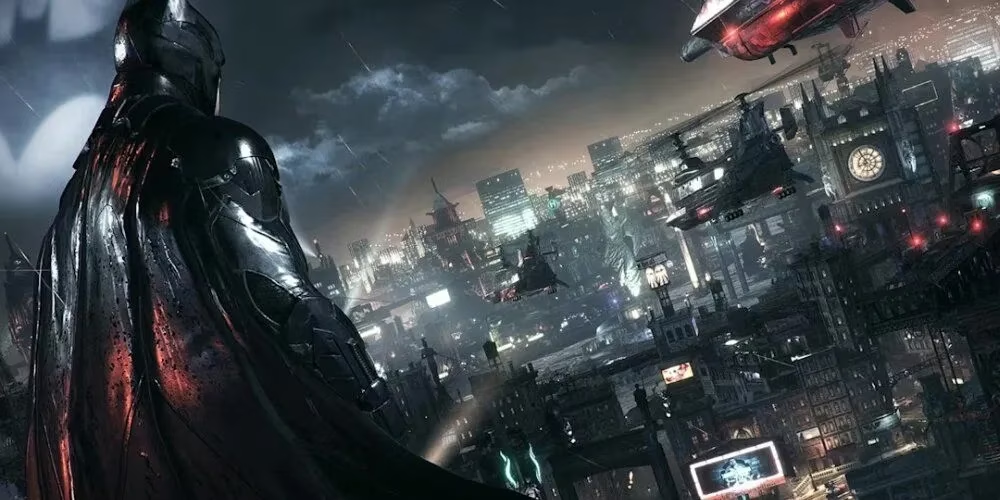
For a totally different kind of traversal, I'd throw on my red shoes and leap into The City of Glass from Mirror's Edge Catalyst. This was freedom, pure and simple. Sure, the story wasn't as tight as the first game's, but the open-world parkour was a revelation. Sprinting across pristine white rooftops, sliding under ventilation shafts, and gazing out at a city so clean it felt oppressive—it was a unique take on dystopia. It wasn't grimy and neon; it was sterile and controlled, a perfect visual for a society under the thumb of conglomerates like KrugerSec. Just running its length, finding the flow, was a gameplay loop I could get lost in for hours. Here's hoping for a third game someday to let Faith run free again.
When I'm in the mood for something more tactical and top-down, I boot up The Ascent. This cyberpunk world is a trip. Set in a vertical arcology run by a megacorp that suddenly collapses, you explore from the grimy, polluted depths to the luxurious high-rises. The Unreal Engine visuals are stunning, creating a sense of scale that's almost overwhelming. It's a world built on pure, unfiltered capitalist decay, and blasting through its streets with a buddy in co-op mode is an absolute blast. The RPG mechanics let me tailor my approach, making each run through its semi-open districts feel fresh.
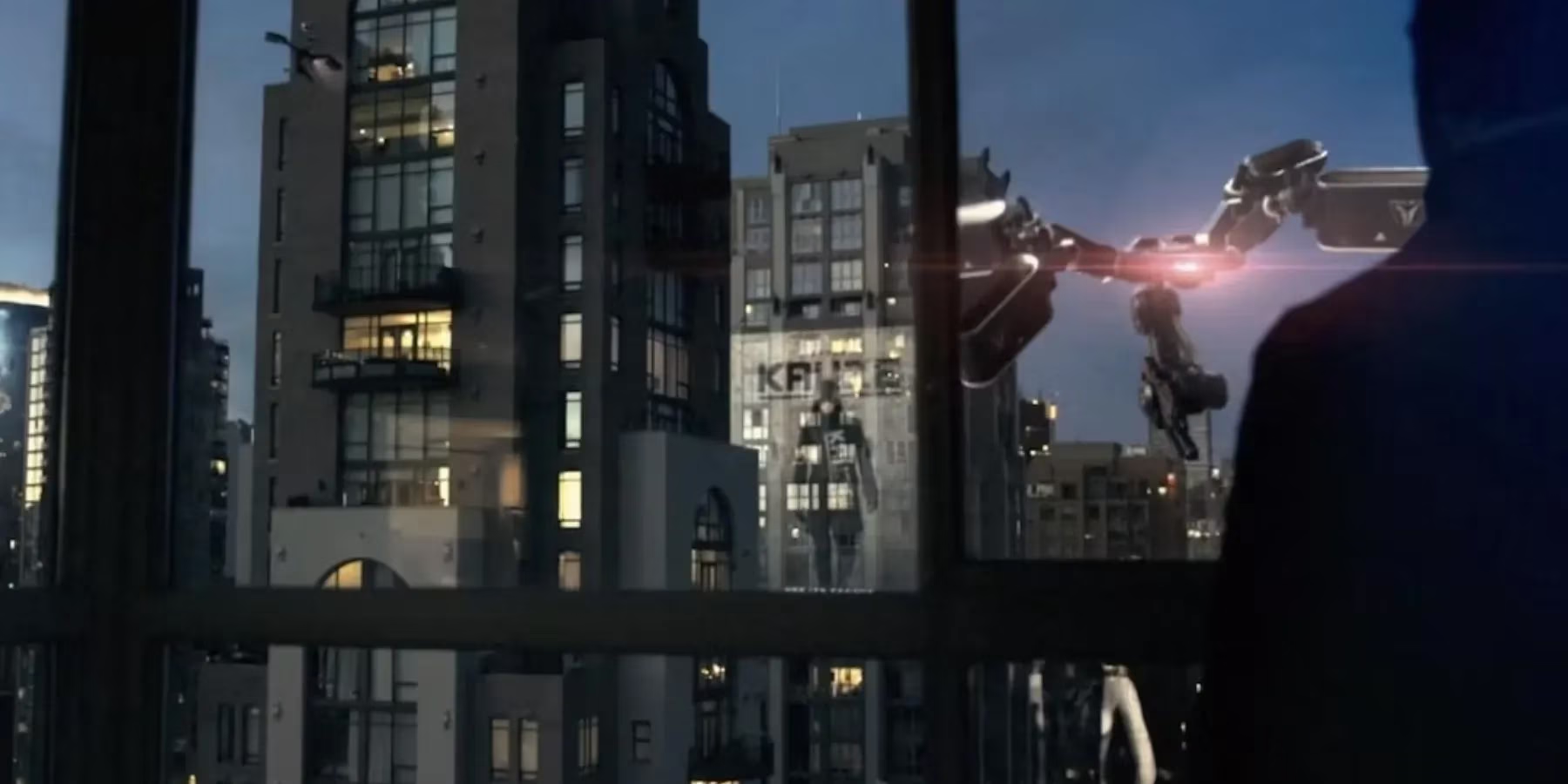
Now, let's talk about an icon. Gotham in Batman: Arkham City. Okay, it's not traditional cyberpunk, but hear me out. A walled-off section of a city turned into a super-prison, run by corrupt corporations and gangs? That's dystopian as hell. Released way back in 2011, gliding over its gothic, rain-soaked skyline is still one of the most empowering feelings in gaming. The claustrophobic design, the constant sense of danger, the industrial gloom—it perfectly captures the oppressive nature of a city controlled by powerful, competing interests. Grappling and gliding across it isn't just travel; it's a power fantasy of navigating urban decay.
And then... there's the big one. The city that, in 2026, stands as the undisputed king of the cyberpunk hill: Night City from Cyberpunk 2077. What a journey this place has had. From a rocky launch to, now, one of the most immersive, detailed, and downright alive virtual cities ever created. CD Projekt Red did the impossible—they fixed it, they expanded it, and they made it sing.
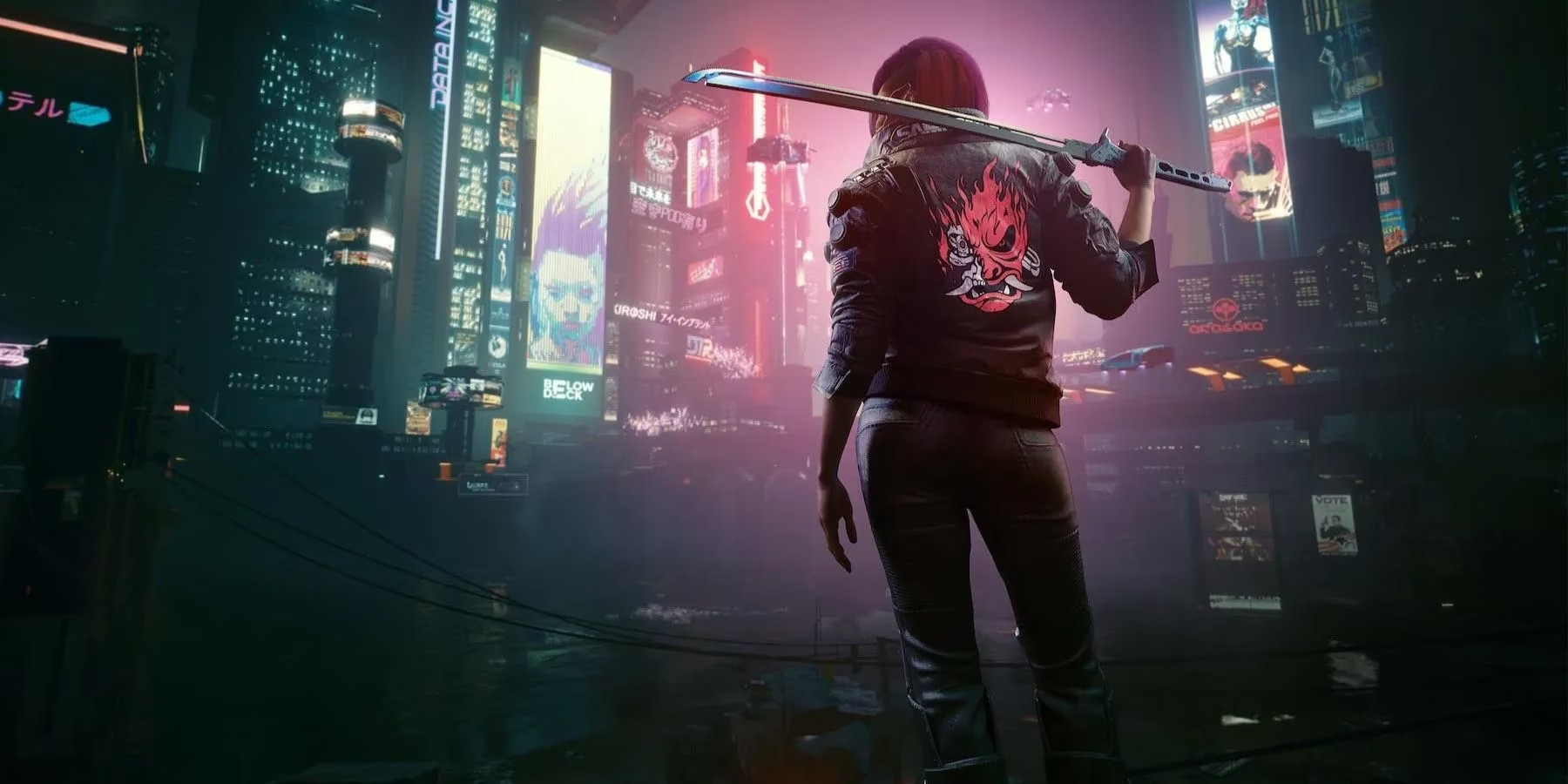
Walking (or driving) through Night City is an experience. The sheer density is mind-boggling. From the crushing poverty of the megabuilding slums in Watson to the sterile, oppressive wealth of Corpo Plaza, every district has a personality, a smell (you can almost taste the exhaust and street food), and a story. The Phantom Liberty DLC added Dogtown, a lawless district within a district, that deepened the lore and gave us one of the best spy thrillers in gaming. The choices here feel heavy, especially with the new ending paths. Helping Songbird or betraying her? Working with Reed? These decisions ripple through V's life in ways that still haunt me.
What makes Night City the pinnacle now isn't just its scale or its visuals (which are stunning with path tracing). It's the feeling that every NPC has a life, every side gig ties into a larger web of corporate intrigue or street-level struggle. It's a world where the lore from the original 1988 tabletop game feels lived-in. You're not just a visitor; you're fighting, scraping, and hopefully surviving in a machine that wants to chew you up and spit you out. It's the ultimate cyberpower fantasy and nightmare, all wrapped in a neon-soaked, rain-slicked package.
So here's my take, my personal leaderboard of these digital dystopias to get lost in during 2026:
| City & Game | Vibe Check | Best For... |
|---|---|---|
| Night City (Cyberpunk 2077) | Dense, Gritty, Alive | The ultimate immersive role-playing power trip. |
| Nivalis (Cloudpunk) | Chill, Mysterious, Lo-Fi | Unwinding with a deep, story-driven delivery sim. |
| Gotham (Arkham City) | Gothic, Claustrophobic, Powerful | Feeling like a superhero navigating urban decay. |
| London (Watch Dogs: Legion) | Grounded, Familiar, Rebellious | A plausible near-future rebellion simulator. |
| The Arcology (The Ascent) | Vertical, Gritty, Tactical | Top-down co-op action in a stunningly detailed world. |
These cities are more than backdrops. They're cautionary tales, power fantasies, and sometimes, just incredibly fun places to be. In a world that's looking more cyberpunk by the day, getting lost in them isn't an escape—it's a way to understand the path we're on, for better or worse. So, grab your interface cable, jack in, and see you in the streets. Just watch out for the Corpo patrols. 😎