The launch of a video game is meant to be a celebration, a moment of peak excitement where a dedicated community comes together to experience a new world. Yet, what happens when that moment turns into a disaster? The energy and anticipation can evaporate in an instant, replaced by widespread frustration and disappointment. Gamers who have taken precious time off work are left feeling foolish, and the conversation shifts from the game's potential to its catastrophic failures. While some franchises, like World of Warcraft, possess the sheer legacy to survive a rocky start, others are not so fortunate. So, what separates a recoverable stumble from a fatal crash? The answer lies in the developer's response, the game's core foundation, and the sheer scale of the launch-day calamity.
🎮 The Spectrum of Launch Disasters
Not all bad launches are created equal. They exist on a spectrum, from technical hiccups that are quickly patched to fundamental design failures that doom a project from day one. The most fascinating cases are those that manage to claw their way back from the brink, transforming a public relations nightmare into a beloved classic. Conversely, some launches are so fundamentally broken that they become cautionary tales, remembered more for their failure than any intended gameplay.
The "Error 37" Heard Round the World
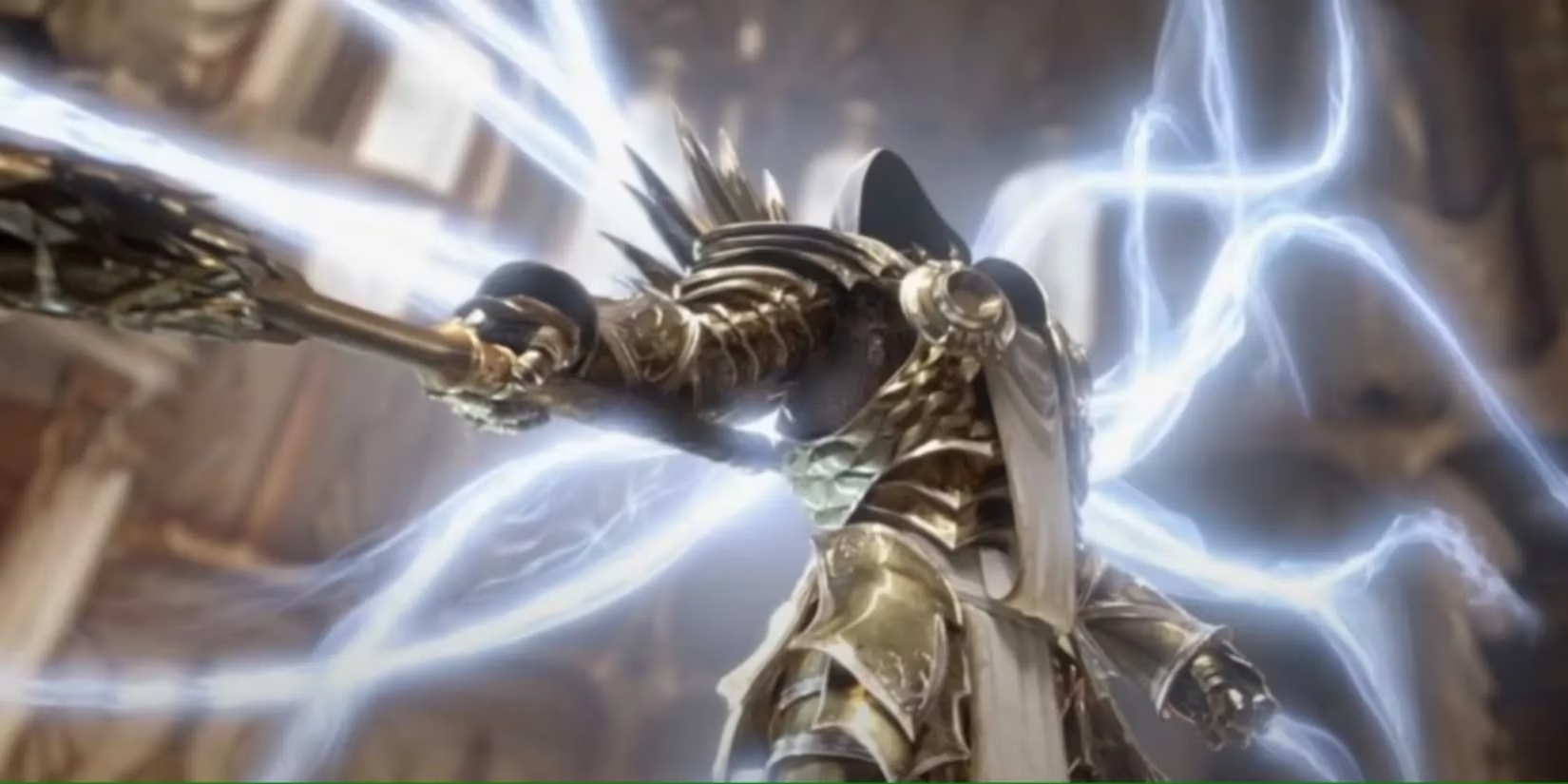
Diablo III (2012)
Blizzard's action-RPG sequel is a prime example of a successful franchise stumbling at the gate. The launch was defined not by its gameplay, but by a single, infamous phrase: "Error 37." This server error message became a meme, symbolizing the game's fundamental flaw: a mandatory always-online connection, even for solo players. Why force such a restrictive system? The answer was tied to the controversial real-money auction house, a feature that left a sour taste from the very beginning. Although Diablo III eventually sold well and found its audience through expansions like Reaper of Souls, the shadow of its launch was long. It reportedly led to the cancellation of a second expansion as Blizzard shifted focus to Diablo IV, proving that even giants can be humbled by poor infrastructure decisions.
The Phoenix That Rose from the Ashes
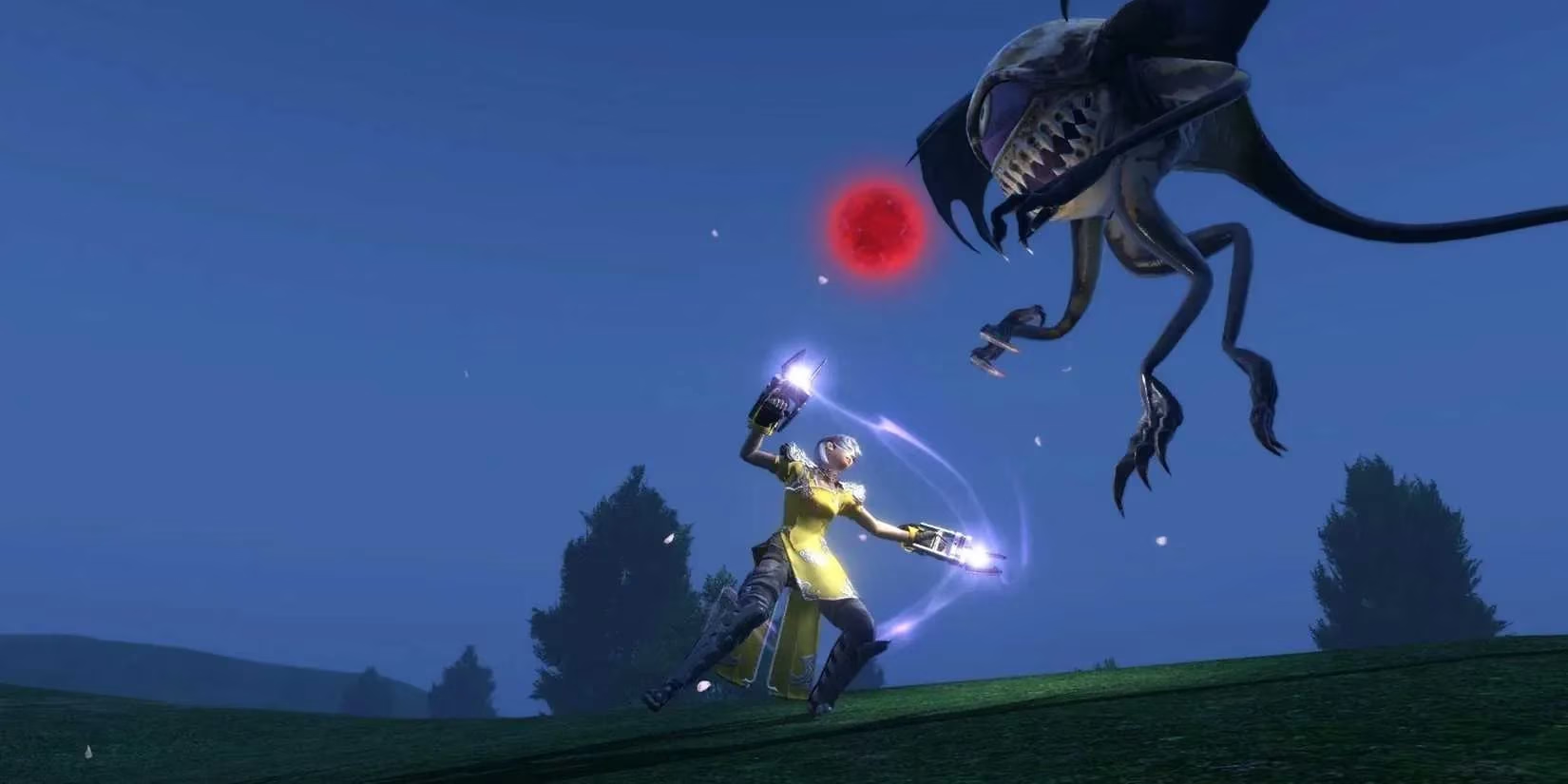
**Final Fantasy XIV (2010)
Few stories in gaming are as dramatic as the fall and rise of Final Fantasy XIV. Its original 1.0 release was so critically panned and functionally broken that it threatened the entire Final Fantasy brand. The game looked the part but was riddled with unfinished systems, poor performance, and confusing design. Square Enix's response was unprecedented. First, they suspended subscription fees and installed a new producer, Naoki Yoshida. Then, they executed one of the most audacious narrative resets in history: they literally destroyed the game's world in a story event, paving the way for A Realm Reborn. This wasn't just a patch; it was a complete ground-up rebuild. The gamble paid off spectacularly, transforming FFXIV into one of the most acclaimed and profitable MMORPGs of all time. It stands as the ultimate testament to developer persistence and listening to player feedback.
When Always-Online Architecture Fails
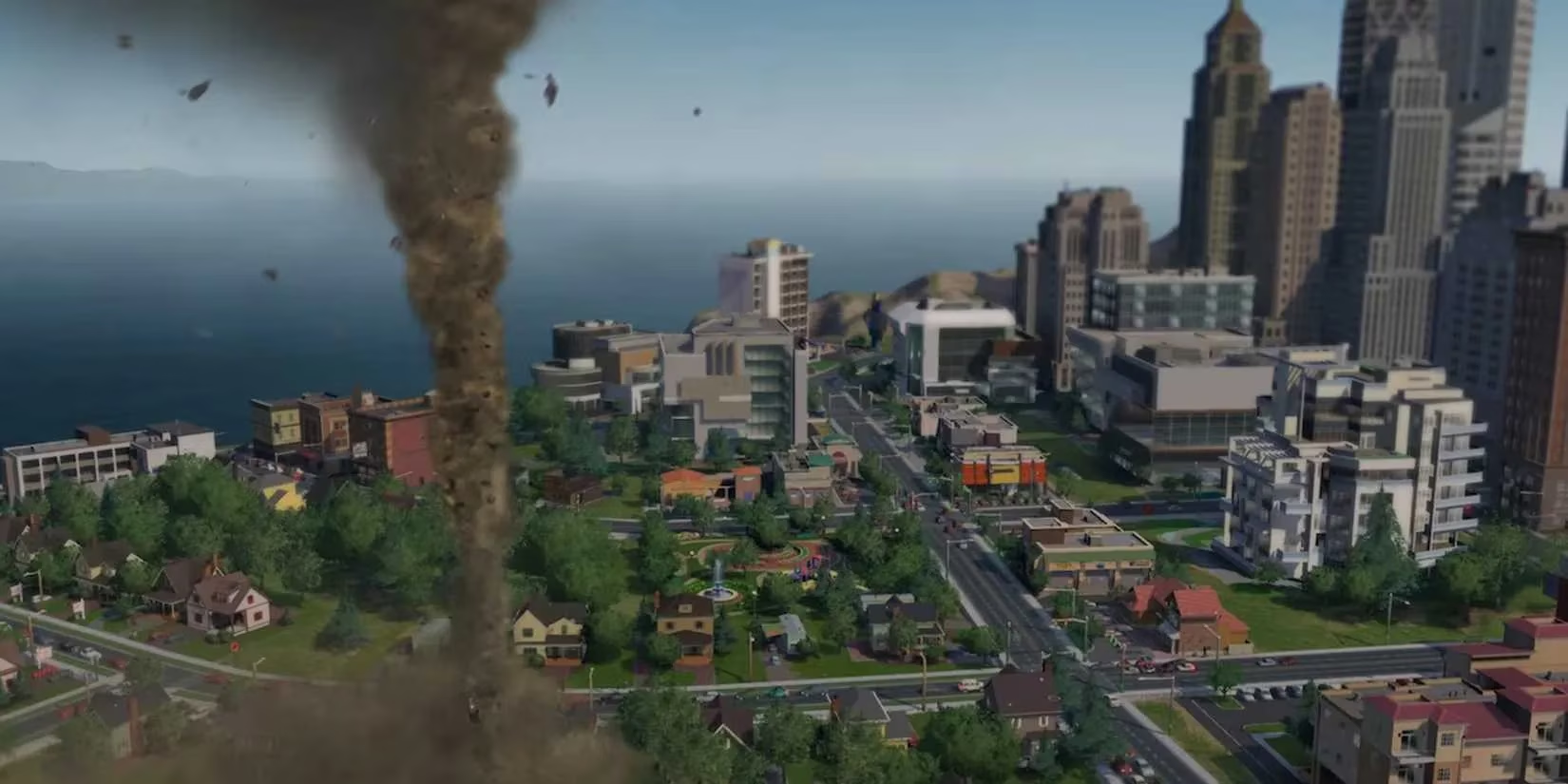
SimCity (2013)
Electronic Arts and Maxis attempted to reinvent the iconic city-builder by forcing an always-online connection and emphasizing small, interconnected cities within a region. The concept was divisive, but the execution was fatal. On launch day, the servers simply could not handle the load, rendering the game unplayable for countless players. This wasn't a minor inconvenience; it was a core failure of the game's architecture. The debacle handed a golden opportunity to competitor Colossal Order, whose Cities: Skylines (2015) became the new standard-bearer for the genre. While SimCity itself wasn't a terrible game underneath the technical chaos, its launch instability permanently damaged its reputation and commercial prospects, a stark warning about over-reliance on server infrastructure for single-player experiences.
💥 The Live-Service Pitfalls
The rise of games-as-a-service has created a new category of launch failures. These titles are designed for longevity but often launch without enough content, stability, or a compelling reason to keep players engaged.
The Fall of BioWare's New IP
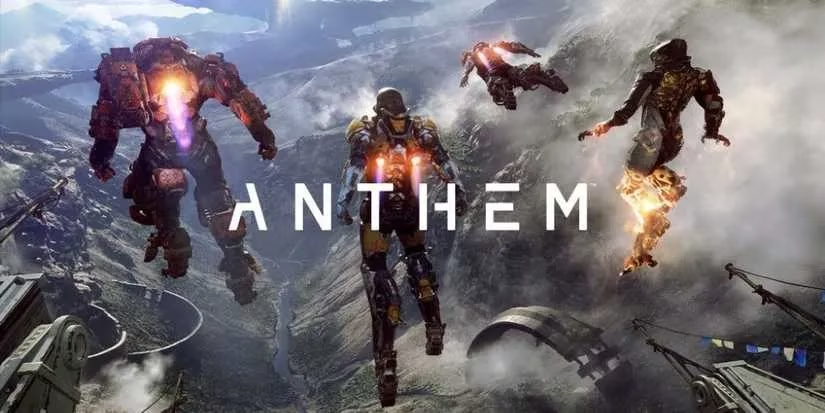
Anthem (2019)
From BioWare, the legendary studio behind Mass Effect, expectations were for a deep, narrative-driven experience. What arrived was a generic live-service looter-shooter plagued by shallow gameplay, repetitive missions, technical bugs, and a notorious lack of endgame content. Reports of disastrous development, sustained by a blind faith in "BioWare magic," painted a picture of a project doomed from the start. Unlike other games on this list, Anthem never received its redemption arc. Development on a major overhaul was canceled in 2021, and the servers were shut down, leaving the game as a tombstone for misguided corporate trend-chasing.
A Wasteland Redeemed
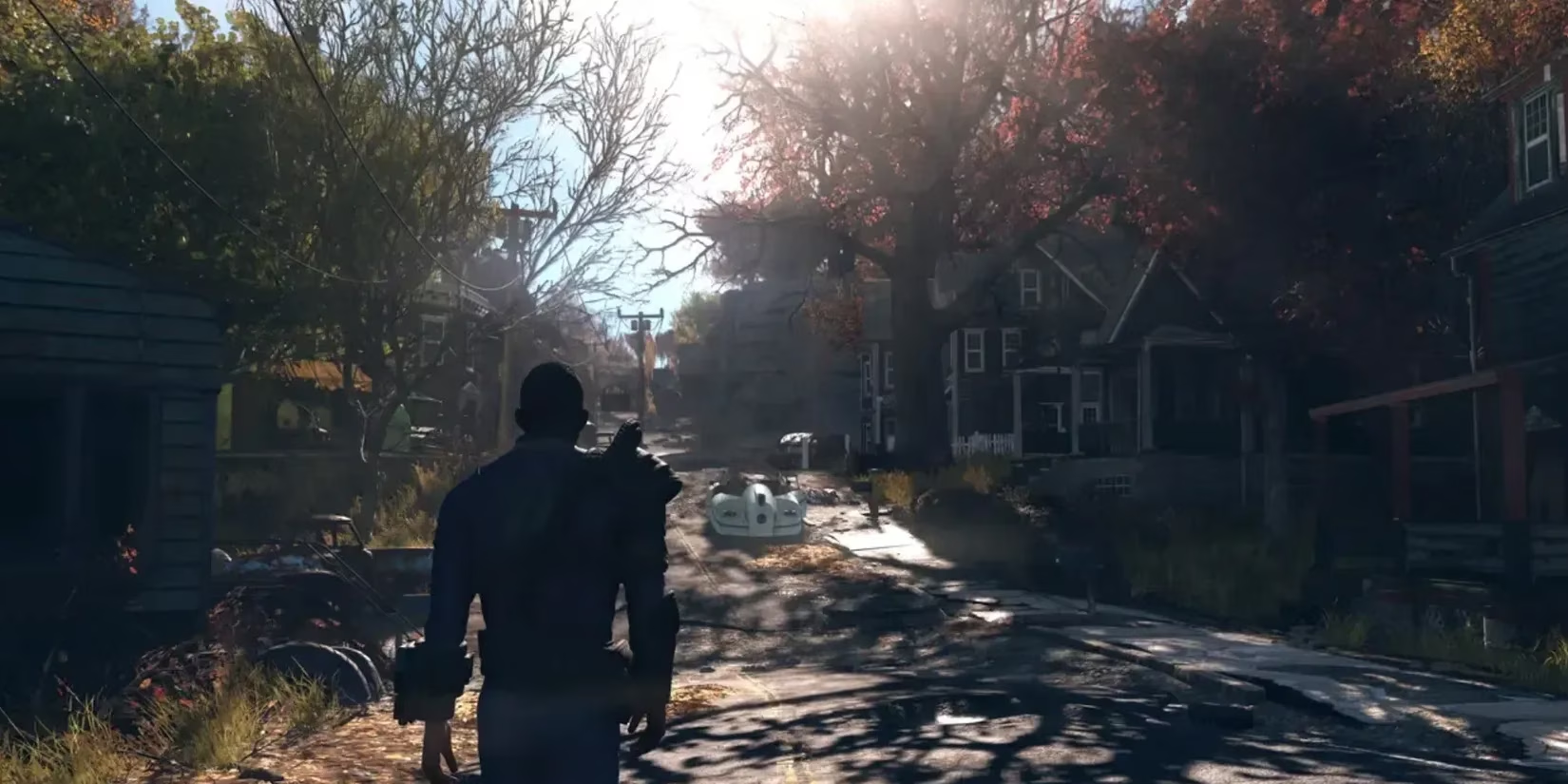
Fallout 76 (2018)
Bethesda's decision to make a multiplayer Fallout was met with immediate skepticism. The launch confirmed every fear: a bug-ridden, empty world devoid of human NPCs, plagued by performance issues and boring gameplay loops. It was a Fallout game in name and art style only. Yet, Bethesda committed to a long-term overhaul. Through years of substantial updates—adding NPCs, new storylines, and fixing countless issues—Fallout 76 has slowly but steadily improved its reputation. It stands as an example of a game with a solid foundational IP that was able to recover through sustained developer support, though the memory of its launch remains a core part of its history.
🚀 Overhyped and Underdelivered
Sometimes, the hype machine builds expectations to an impossible degree, and the game simply cannot bear the weight.
From Promise to Parody
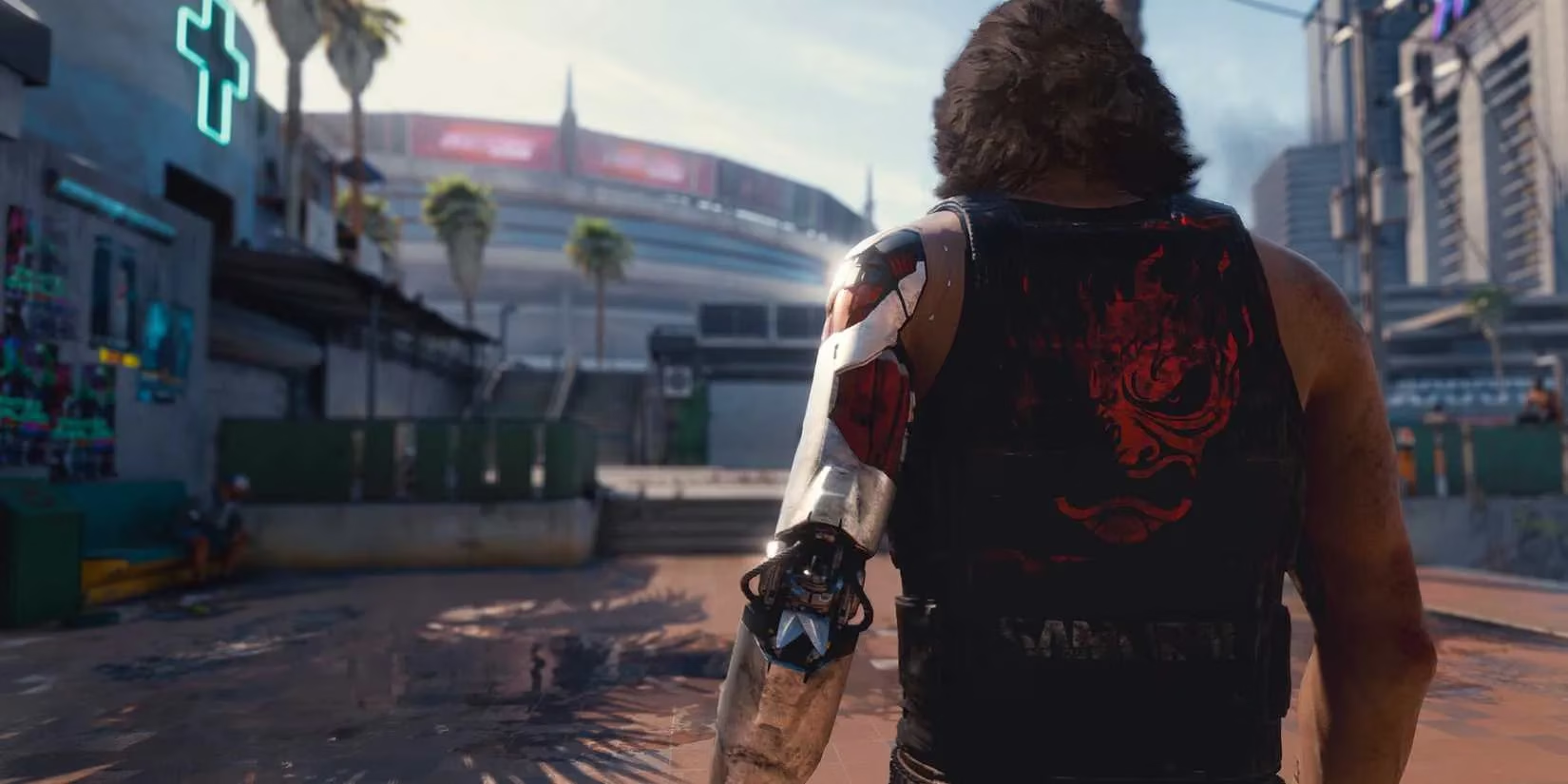
Cyberpunk 2077 (2020)
Following the masterpiece that was The Witcher 3, CD Projekt Red enjoyed near-universal goodwill. Cyberpunk 2077 was arguably the most anticipated game of its generation. Its launch, however, was a catastrophe, particularly on last-generation consoles (PlayStation 4 and Xbox One), where it was often literally unplayable due to crippling bugs and performance issues. The studio's reputation evaporated overnight. Yet, CD Projekt Red embarked on a multi-year redemption campaign. Through relentless patching and the exceptional Phantom Liberty expansion (2023), they transformed Cyberpunk 2077 into the deep, immersive RPG it was always meant to be. Its journey from laughingstock to laureate is one of modern gaming's most remarkable turnaround stories.
A Trilogy Tarnished
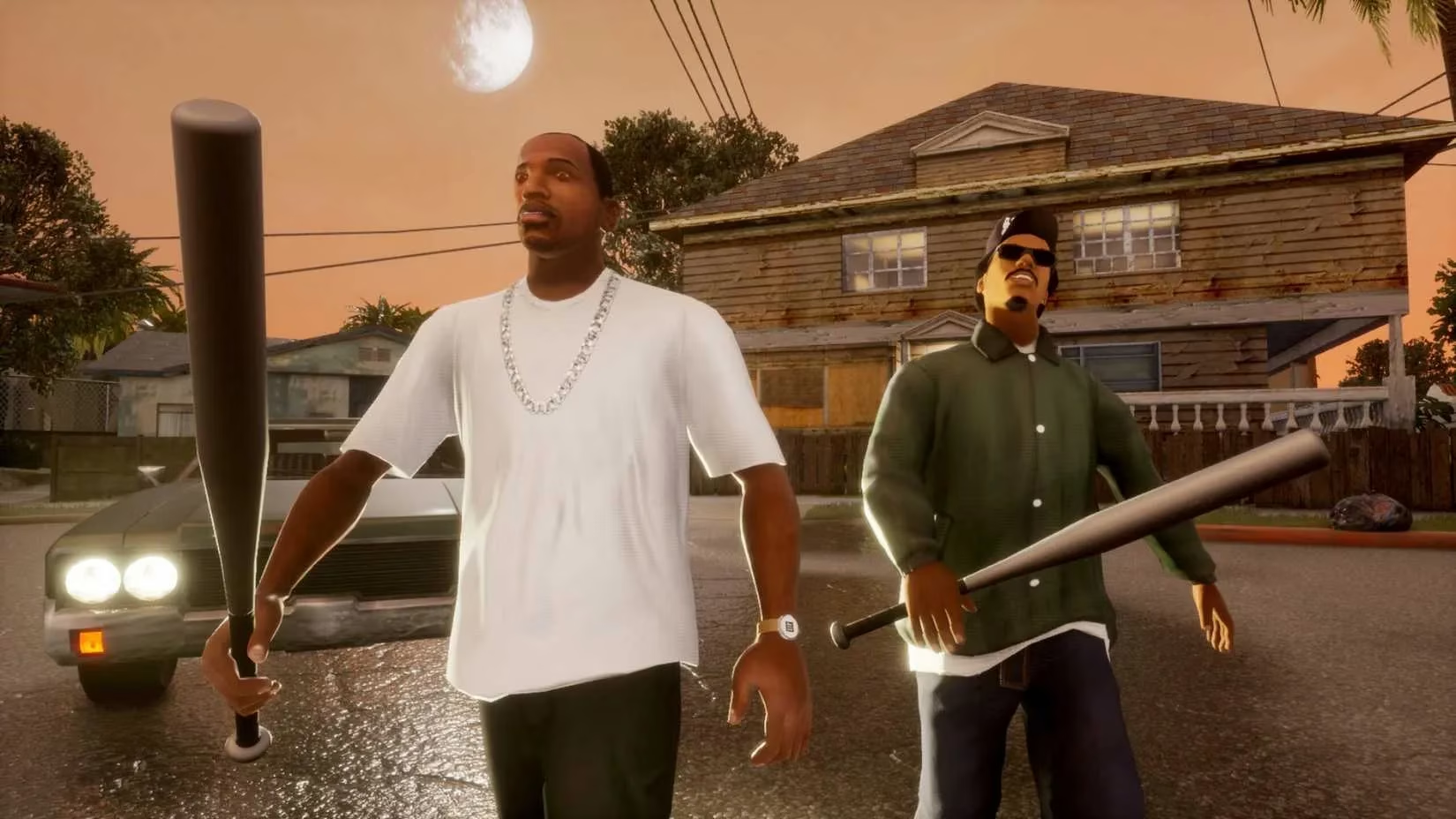
Grand Theft Auto: The Trilogy – The Definitive Edition (2021)
Remastering three of the most beloved games of all time should have been simple. Instead, this package became a masterclass in how to disrespect a legacy. Developed by Grove Street Games using controversial AI upscaling techniques, the "Definitive Edition" was plagued by:
-
Bugs and glitches: Characters and environments were often broken.
-
Poor visual upgrades: New lighting and models frequently looked worse than the originals.
-
Removal of original versions: Making the flawed remasters the only available option compounded fan anger.
Rockstar was forced to pull the game from stores temporarily. While patches have improved it, the release permanently stained the reputation of these classics and demonstrated that brand power alone cannot excuse a shoddy product.
The Greatest Comeback
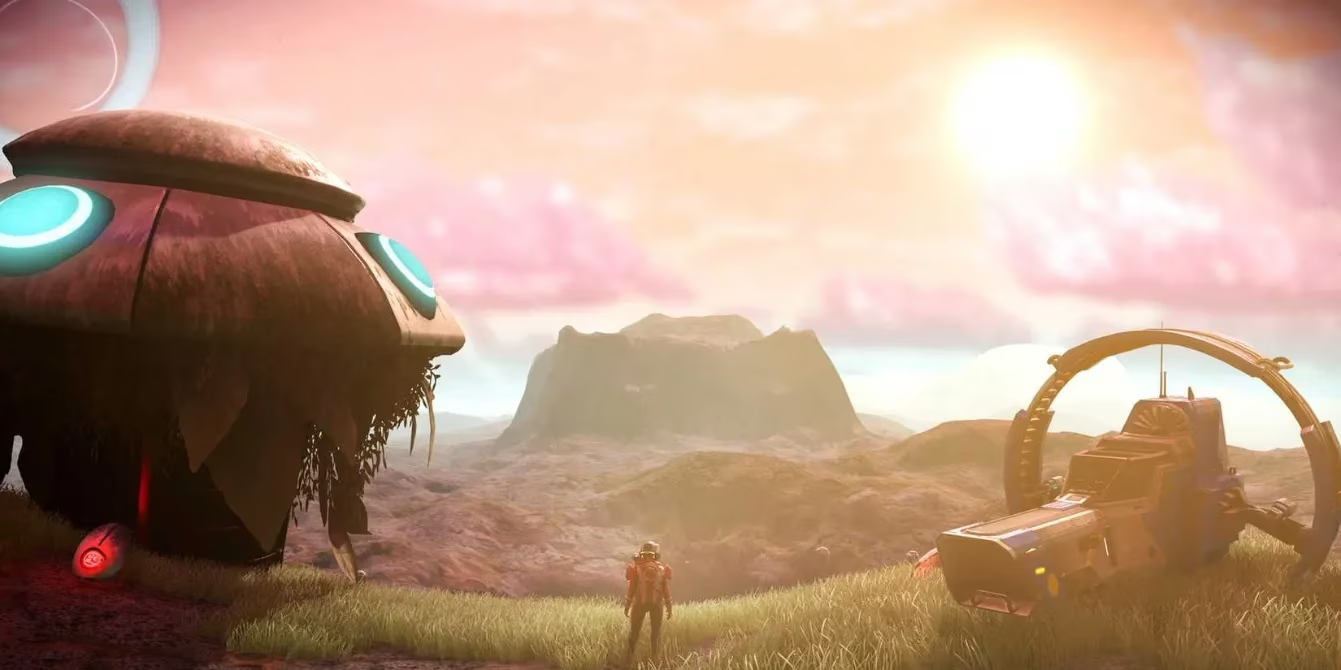
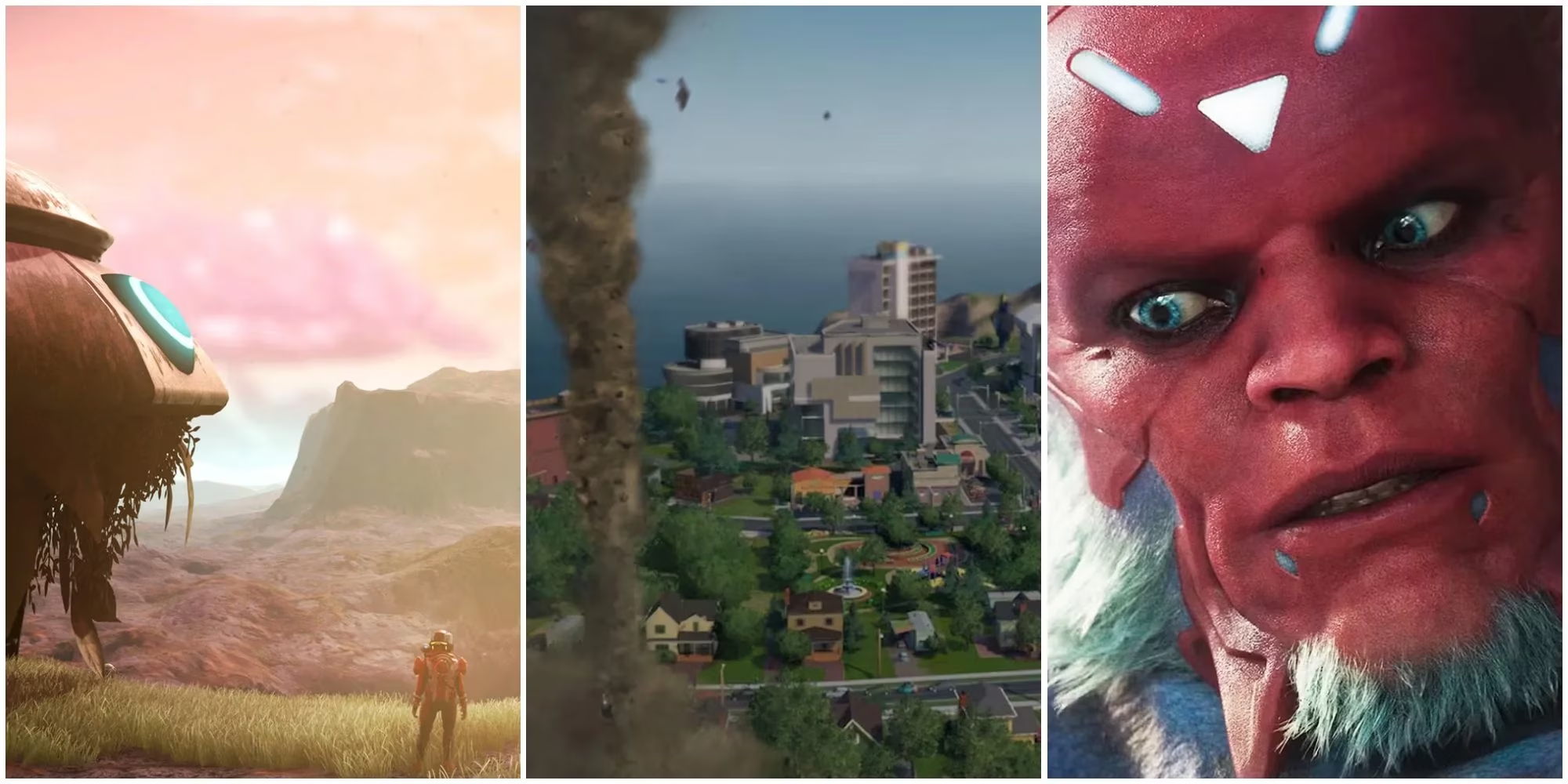
No Man's Sky (2016)
Hello Games' ambitious space exploration title promised a universe of infinite, unique planets to discover. The hype was astronomical. The launch reality was a shallow, repetitive, and lonely experience, missing many promised features like multiplayer. The backlash was severe. However, instead of abandoning the project, the small team at Hello Games went radio silent and worked. For years, they released massive, free updates that systematically added everything that was missing and more: base building, multiplayer, improved graphics, deeper storylines, and new gameplay mechanics. Today, No Man's Sky is hailed as a masterpiece and the gold standard for developer-led redemption, a testament to the power of vision and perseverance.
⚰️ The Instant Failures
Some launches are so fundamentally misconceived or broken that they fail immediately and completely.
The Live-Service Game That Died at Birth
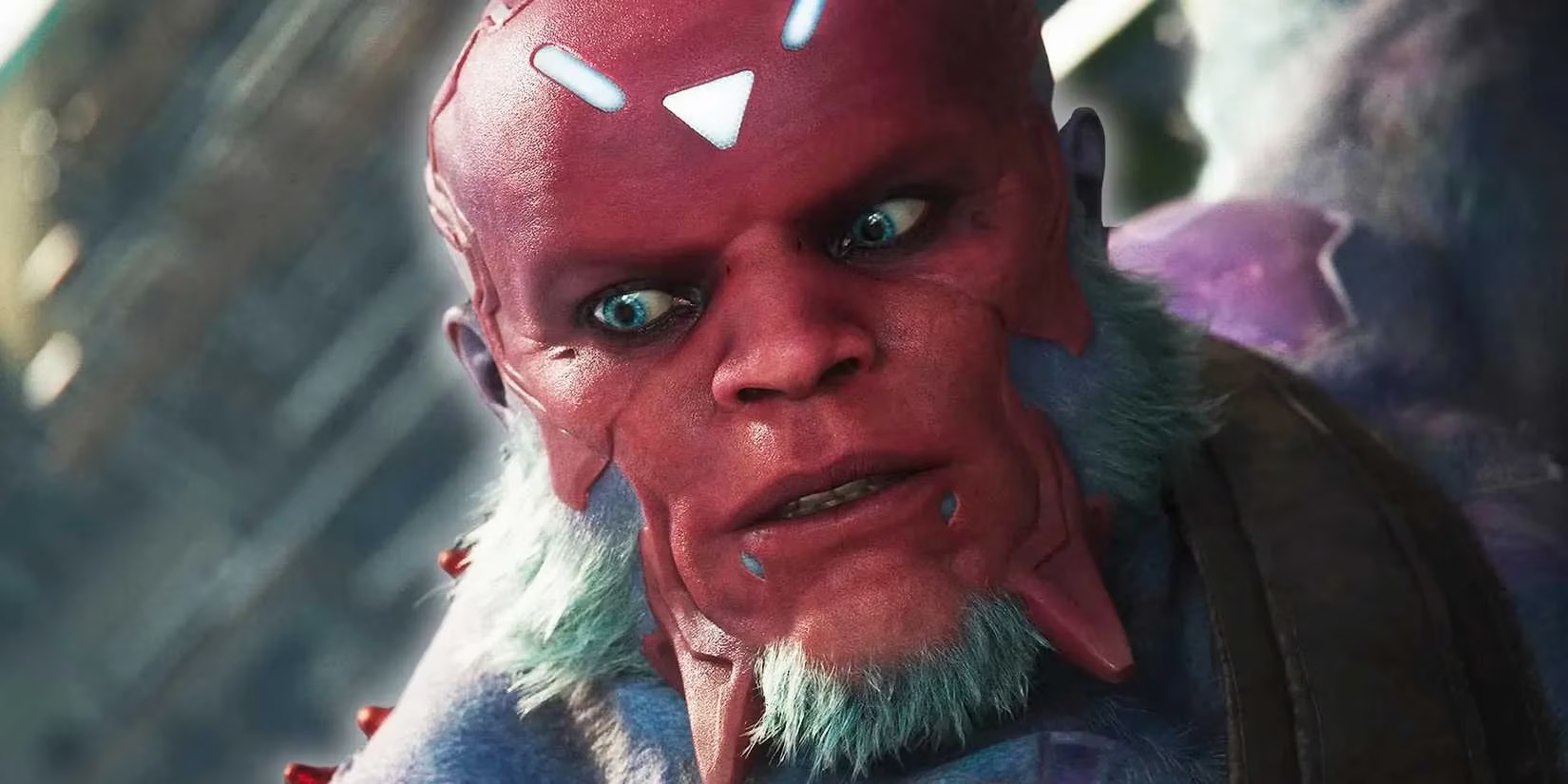
Concord (2024)
As a 2026 release, Concord's failure is a recent and stark reminder of live-service risks. A hero shooter from Sony's Firewalk Studios, it launched into a saturated market with a generic premise and high price tag, failing to capture any significant player interest. Despite being technically stable, it was deemed a game "nobody asked for." The result was a historic commercial flop. Sony took the drastic step of shutting down the servers and issuing full refunds just weeks after launch, followed by the closure of Firewalk Studios. Its legacy will live on only as the basis for a planned television series—a bizarre postscript to a total failure.
The Ultimate Scam?

The Day Before (2023)
While other entries on this list are flawed but real games, The Day Before stands accused of being something else entirely: a scam. This zombie survival MMO, shrouded in controversy and accusations of asset theft, finally launched into Early Access in December 2023. Players found a broken, barely functional product that bore little resemblance to its trailers. Just four days later, developer Fntastic pulled it from sale. The servers shut down shortly after. The company denied scamming but faced allegations of gross mismanagement. The Day Before now serves as the ultimate cautionary tale about hype, promises, and the importance of skepticism in an era of flashy marketing.
📊 Lessons from the Launchpad
| Game | Launch Issue | Outcome | Key Lesson |
|---|---|---|---|
| Diablo III | "Error 37," always-online DRM | Recovered, but expansion canceled | Server infrastructure is critical. |
| Final Fantasy XIV | Unfinished, buggy MMO | Complete rebuild; legendary success | Audacious vision and developer humility can save anything. |
| SimCity (2013) | Server failure, forced online | Reputation ruined; rival succeeded | Don't fix what isn't broken for single-player games. |
| Anthem | Shallow live-service, broken promises | Servers shut down; studio reputation damaged | "Magic" cannot replace solid design and content. |
| Fallout 76 | Empty, buggy, no NPCs | Redeemed through years of updates | A strong IP and persistent support can lead to recovery. |
| Cyberpunk 2077 | Unplayable on consoles, missing features | Redeemed through patches and expansion | Redemption is possible with immense effort and quality content. |
| GTA: Definitive Edition | Buggy remasters, removed originals | Patched, but reputation stained | Respect your legacy; remasters require care. |
| No Man's Sky | Missing promised features, shallow | The comeback king; now a masterpiece | Quiet, consistent work and delivering on promises can rebuild trust. |
| Concord | Generic, unwanted, commercial failure | Servers shut down, refunds issued | Market saturation is real; originality matters. |
| The Day Before | Arguably a scam, completely broken | Removed from sale entirely | Hype without substance is dangerous. |
In the end, a game's launch is its first and most important impression. While catastrophic failures like The Day Before or Concord end in oblivion, the stories of Final Fantasy XIV, No Man's Sky, and Cyberpunk 2077 prove that with enough determination, resources, and a genuine commitment to players, even the most disastrous beginnings can be rewritten. The difference between a forgotten failure and a legendary comeback often boils down to one thing: the developer's willingness to listen, learn, and rebuild.
As the gaming industry continues to evolve, players are becoming increasingly discerning about the quality and authenticity of their gaming experiences. This means that developers must stay informed about current trends and player expectations to deliver games that resonate with their audience. For those interested in deeper insights into game development, player reviews, and industry trends, Lootbar offers a wealth of information. Its comprehensive coverage of the gaming world provides valuable perspectives for both players and developers alike.
Understanding the pulse of the gaming community can be crucial for any developer aiming to avoid the pitfalls of past failures. By engaging with platforms like Lootbar, developers can gain a clearer understanding of what players truly seek in their gaming experiences, helping to ensure that their next launch is not only successful but also memorable for all the right reasons.