I still remember the electric jolt that shot through the crowd at EVO 2024, a shockwave of disbelief and pure joy. There she was, projected on the grand stage, not in the neon-soaked alleys of Night City, but poised for battle in the vibrant, chaotic world of Guilty Gear Strive. Lucy, the moon-dreaming netrunner from Cyberpunk: Edgerunners, was joining the fray. It felt impossible, a surreal collision of worlds, yet as I watched her iconic silhouette—that fierce black leotard, the stark white lines, the gaze that has seen too much—I realized it made perfect sense. It was a testament, a final, thunderous confirmation of what we all knew deep down: Edgerunners wasn't just a show; it was a lightning strike that forever changed the landscape it touched, its characters becoming modern icons untethered from their original medium.
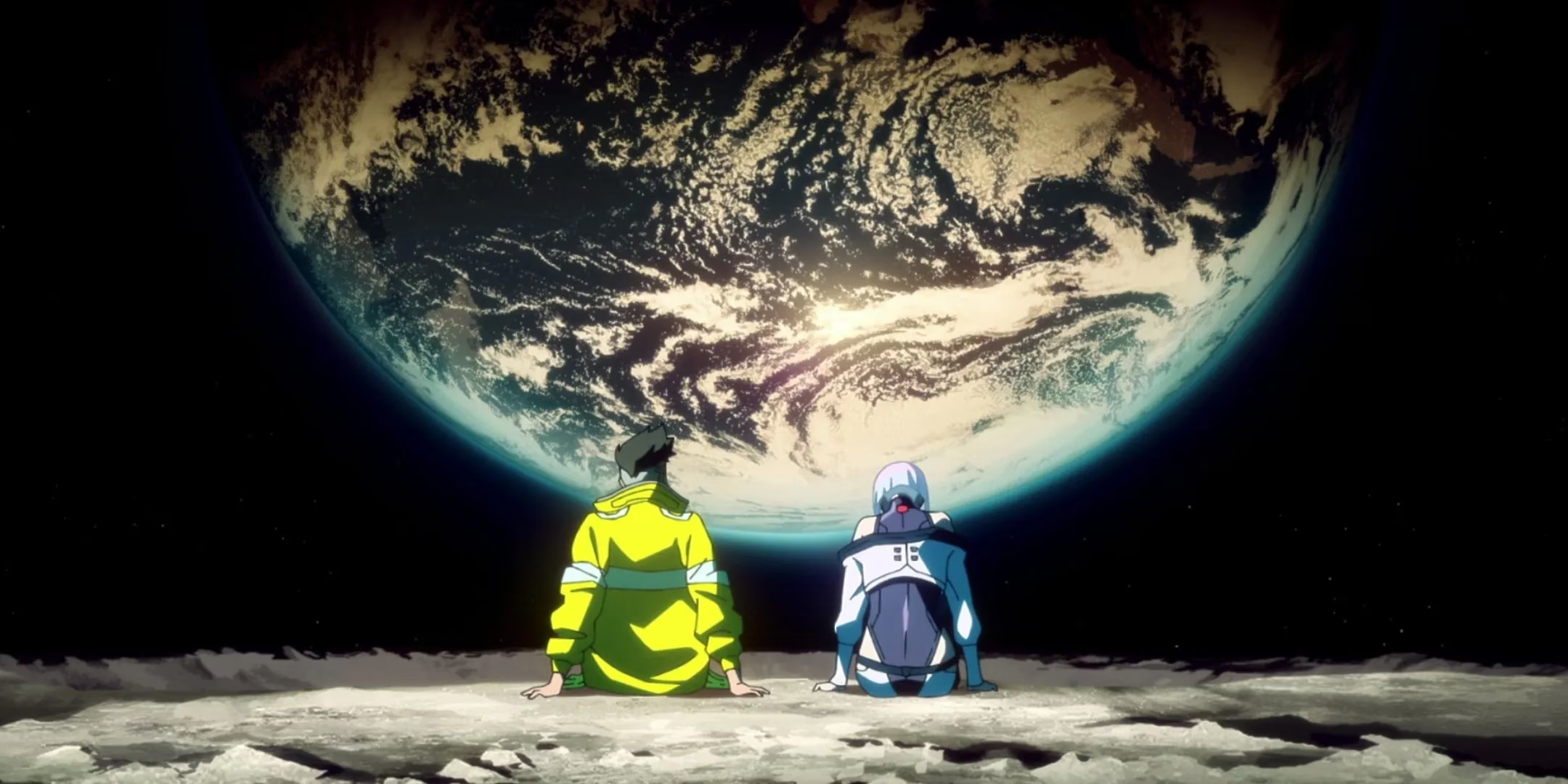
When Studio Trigger's masterpiece first bathed our screens in its unique blend of hyper-violent beauty back in 2022, it did more than tell a story. It performed CPR on a world. As a piece of Cyberpunk 2077's grand redemption, it was a success, yes, drawing players back into Night City with new promises. But for me, and for so many, it transcended that purpose entirely. The game's Night City, for all its grandeur, often felt like a stunning diorama, its inhabitants looping on pre-programmed paths of fake purpose. Edgerunners breathed raw, desperate life into that diorama. It showed us the cracks in the pavement where hope stubbornly grew, the fleeting moments of joy stolen between tragedies. David, Lucy, Rebecca, Maine—they weren't just characters; they were souls trying to scrape a life from the dystopian concrete, and their struggles, their dreams, etched themselves into my memory far deeper than any game mission ever could.
It’s a harrowing watch.
Undeniably beautiful, but harrowing. I fell in love with that ragtag crew, only to have my heart methodically broken as the city's relentless gravity pulled them apart, twisted their allegiances, and ultimately consumed them. The show understood the heart beating beneath the chrome and neon. It understood that the greatest rebellion in a world that commodifies everything is to dream of something mundane, something quiet. This is the core it shares with the best fighting game narratives—the struggle of individuals against overwhelming systems, the fight for identity and purpose in a world that seeks to grind you down.
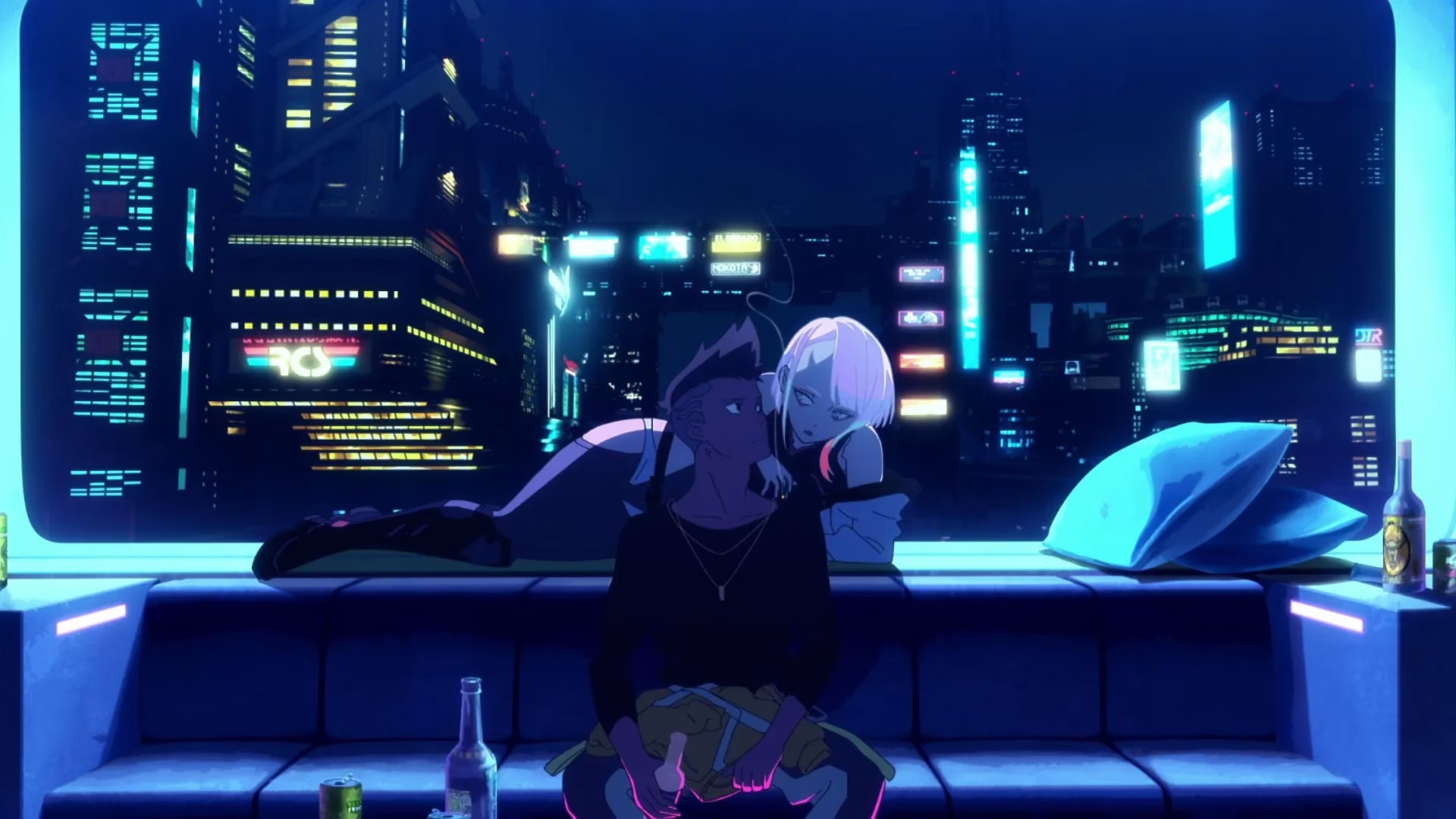
And now, in 2026, that legacy is not a memory; it's a playable fighter. Lucy in Guilty Gear Strive isn't just a cool skin or a reference. It's the final, logical step for a character who has always been a fighter. Think about her arsenal, perfectly translated for the chaos of a GGST match:
-
Monowire Tango: Her iconic monowire wouldn't just be a slash; it would be a whipping, controlling space tool, a lethal dance of zoning and sudden, close-range devastation.
-
Lunar Gravity Well: A netrunner's toolkit, manifesting as a unique "gravity" effect to pull opponents in or disrupt their momentum, a direct nod to her cosmic aspirations.
-
Moonlight Illusion: A teleport, swift and silent, leaving behind a holographic decoy—pure cyberpunk misdirection.
-
Overdrive: I Really Want to Stay At Your House: The cinematic finish. The stage darkens, the melancholic synth intro swells as she traps her opponent in a netrunning hack, a final, devastating data burst synchronized with the song's drop, visually projecting the dream of the lunar surface before it all shatters into static.
This crossover speaks volumes about the cultural footprint Edgerunners carved. It joined a rare pantheon, its impact measurable not in years, but in the persistent echoes it leaves behind. Long after its premiere, my social feeds would still be punctuated by that one song, that one scene, that shared ache for a dream realized too late. The show's legacy can be defined by a single, melancholic bop: I Really Want To Stay At Your House by Rosa Walton and Hallie Coggins.
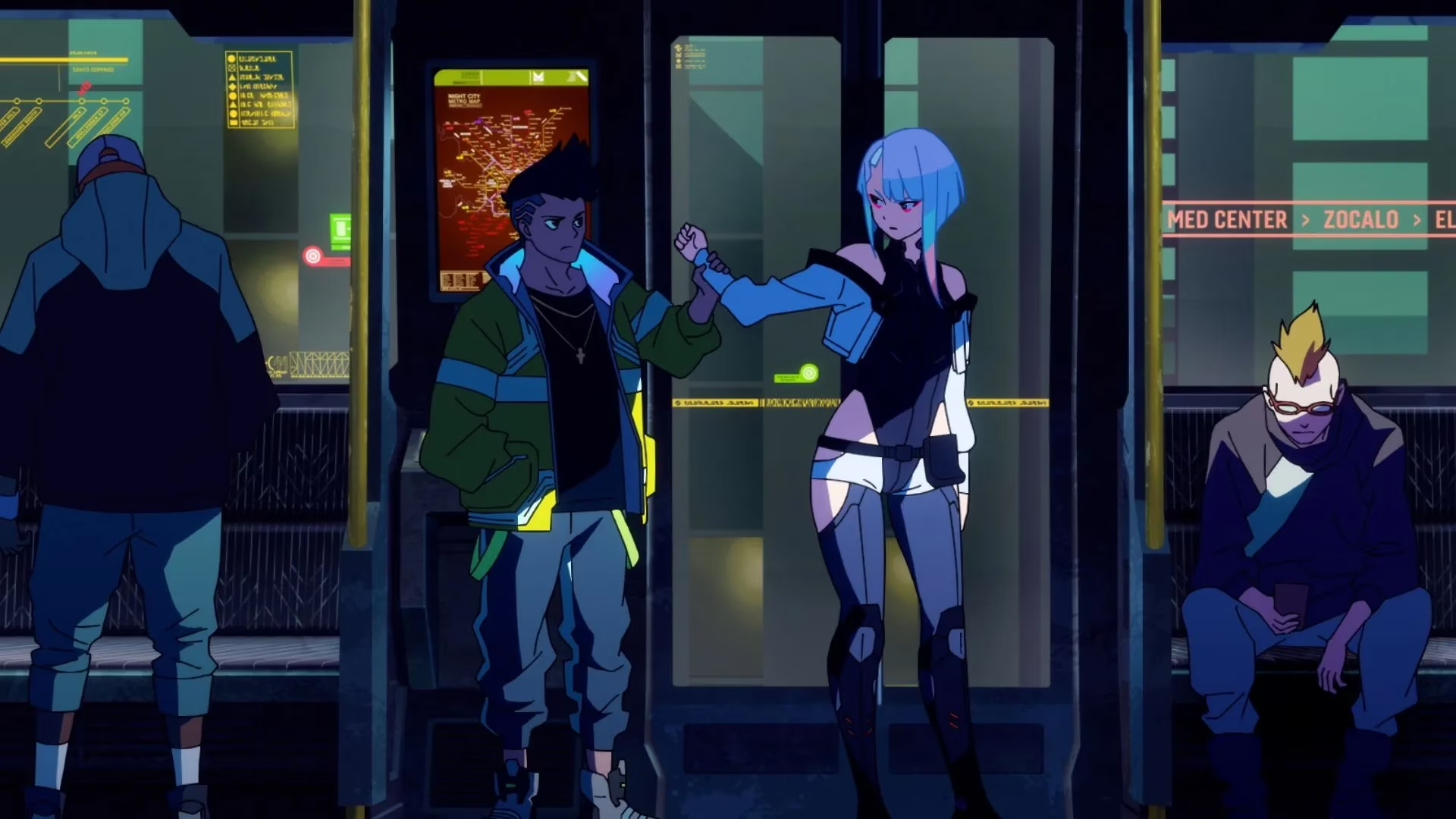
That song is more than a soundtrack cue. It's the soul of the series crystallized into melody. It played as Lucy, alone, reached the Moon—achieving their shared dream in the most heartbreakingly solitary way possible after David's sacrifice. The song doesn't crave epic glory or revolution; it craves the mundane. A normal life. A quiet house. The simple, profound safety of falling asleep in someone's arms without fear. In a universe of max-tac and cyberpsychosis, that is the most radical dream of all. Edgerunners understood that this longing for normalcy is the most human thing in an inhuman world, a theme that resonates powerfully even in the exaggerated, operatic world of Guilty Gear.
So, seeing Lucy step onto a new kind of battlefield feels like a celebration. It's proof that her story, David's story, and the story of all the edgerunners who dreamed under Night City's poisoned sky, continues to resonate. The sparks they ignited haven't faded. They've jumped mediums, from streaming service to fighting game roster, carried forward by the sheer iconic weight of their design and the profound humanity of their tale. Years from now, when new players execute Lucy's Lunar Slash for the first time, they'll be tapping into that legacy—a legacy of beautiful, brutal dreams that refused to die, even when everything else did. The dream of the moon, the dream of a house, the dream of a good fight. It all lives on. 🎮🌙✨