In the modern gaming landscape, it has become an unfortunate trend for titles to launch in a state that falls short of player expectations. Whether due to cut content, pervasive bugs, or a fundamental lack of substance, these releases often spark fierce backlash, forcing developers into crisis management with apologies and promises for the future. For many games, this initial stumble proves fatal, consigning them to the annals of forgotten flops. However, a remarkable few defy the odds. Through relentless updates, community engagement, and a commitment to their original vision, these games stage dramatic redemptions, rising from the ashes of their disastrous launches to become celebrated gems within the industry. Their journeys from failure to triumph are some of the most compelling stories in contemporary gaming.
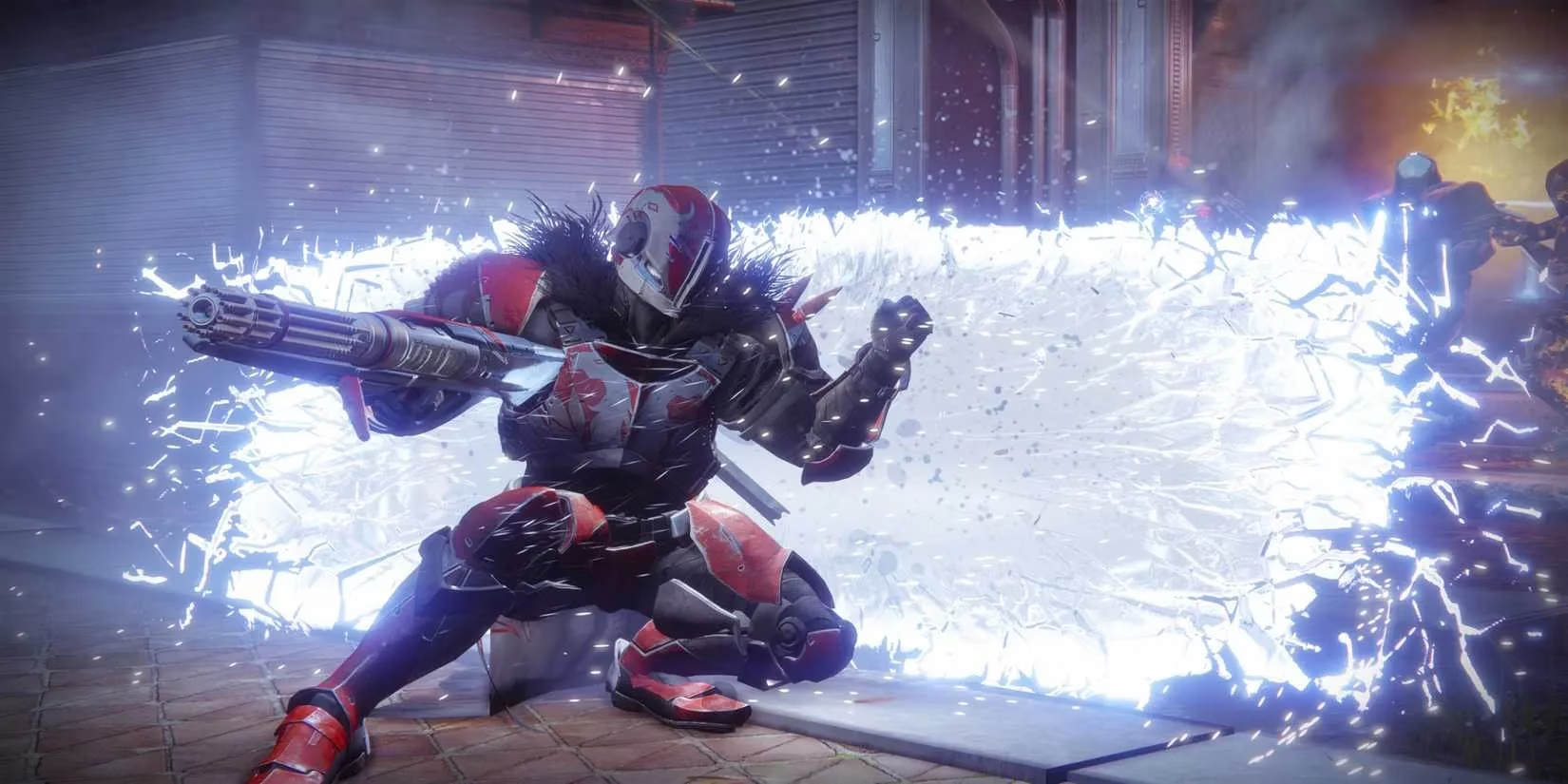
Destiny stands as a prime example of this phoenix-like ascent. Developed by the creators of the legendary Halo series, its initial release was met with widespread disappointment. Critics and players alike lambasted its repetitive combat, uninspired mission design, and a story that was frustratingly brief and shallow despite the intriguing lore and world-building that Bungie had crafted. The voice acting, particularly Peter Dinklage's notoriously flat performance as the Ghost companion, became a meme-worthy low point. It was seen as a catastrophic misstep for the nascent "games as a service" model. Yet, Bungie refused to let it die. A torrent of substantial content updates, including challenging Raids and expansive story campaigns, began to flesh out the universe. The narrative gained depth, missions grew more creative, and the game slowly won back its community. This foundational work paved the way for its sequel, Destiny 2, which built upon these lessons to achieve even greater success.
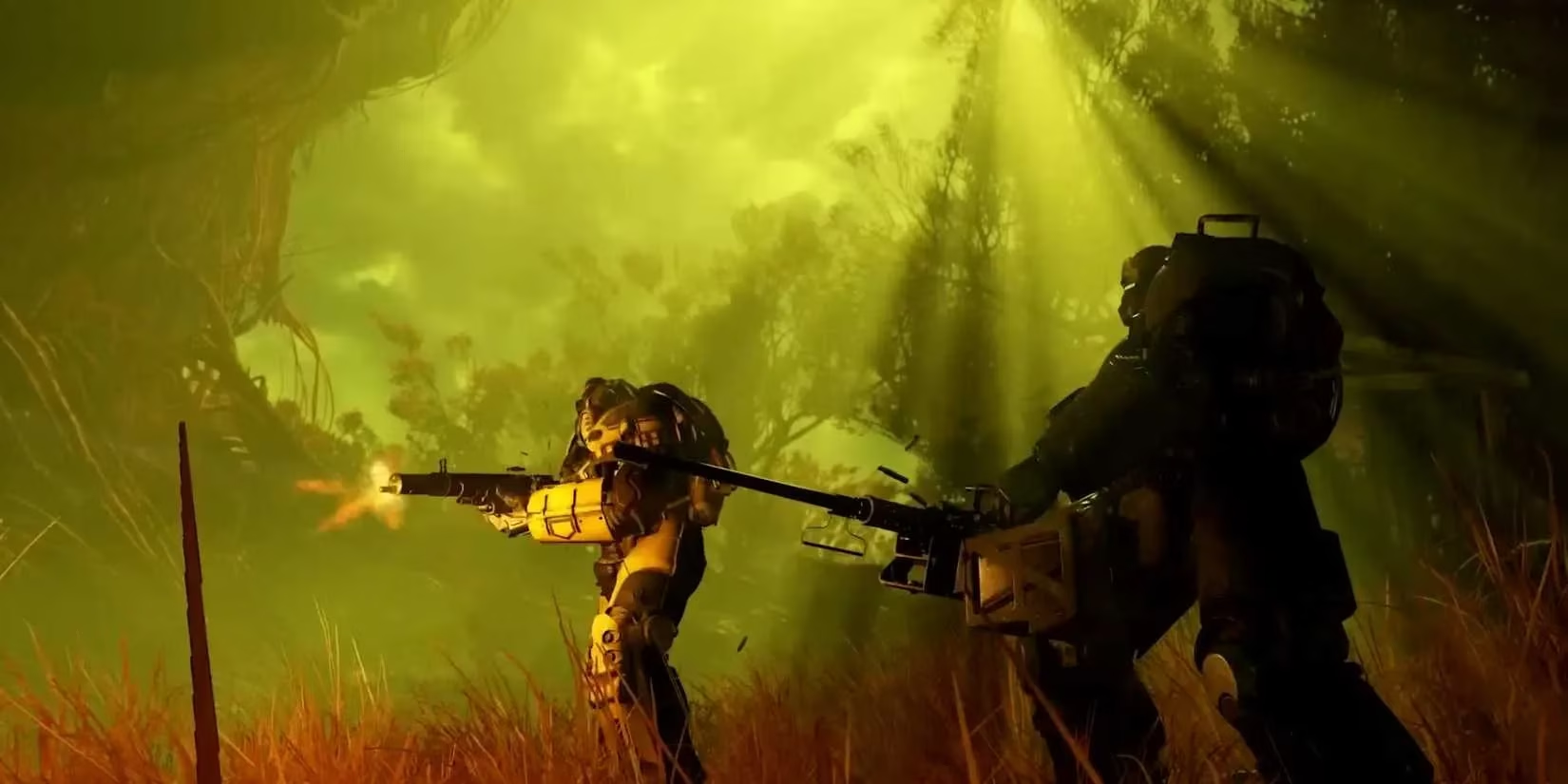
Similarly, Fallout 76 endured one of the rockiest launches in recent memory. Following the acclaimed Fallout 4, expectations were sky-high. What players received was a bug-ridden, empty shell of a world. The critical absence of human NPCs meant the story was conveyed through lifeless audio logs and robotic interactions, stripping away the franchise's signature soul. Performance was terrible, quests were lacking, and the overall experience was a profound letdown. Bethesda, however, embarked on a long and public road to redemption. The transformative Wastelanders expansion was the turning point, reintroducing human characters, meaningful quests, and the narrative heart that fans craved. This was followed by a continuous stream of major updates, quality-of-life improvements, and community events. By 2026, the game has been transformed into a rich, engaging multiplayer experience that finally delivers on the initial promise of a shared Fallout universe.
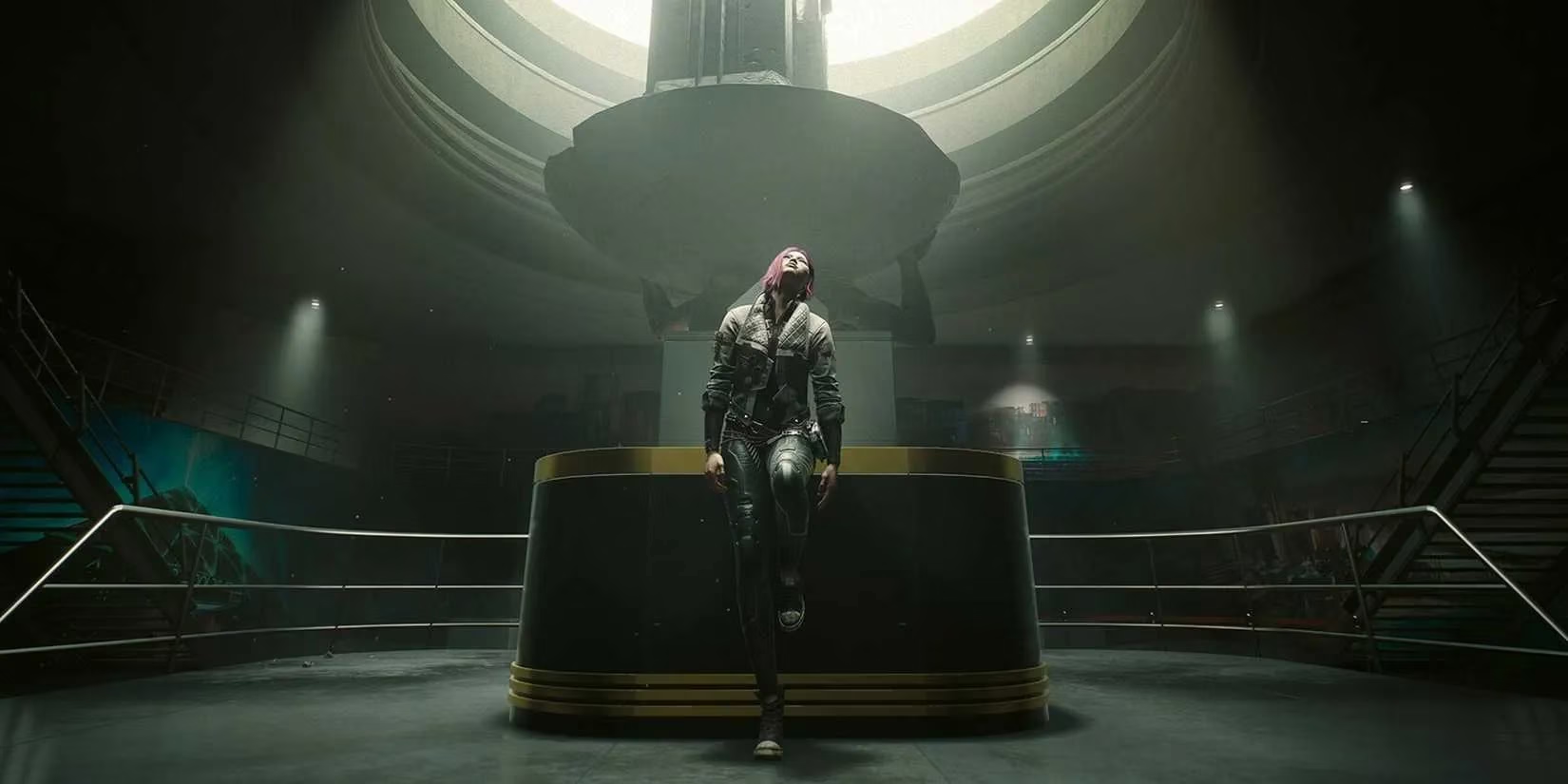
Perhaps no comeback story is more dramatic than that of Cyberpunk 2077. Hailed as the next masterpiece from CD Projekt Red, its 2020 launch was a technical disaster of epic proportions. Rampant bugs, poor performance on last-gen consoles, and its subsequent removal from the PlayStation Store created a firestorm of criticism. For a premium single-player title, there were no excuses. While some players found merit in its story and world, it felt incomplete. The game's salvation arrived with the monumental 2.0 update and the Phantom Liberty expansion. The developers overhauled core systems—combat, skills, police AI, and progression—from the ground up. Phantom Liberty didn't just add content; it wove a brilliant, spy-thriller narrative that enriched the entire game. By 2026, Cyberpunk 2077 is universally recognized not as a cautionary tale, but as one of the finest RPGs of its generation.
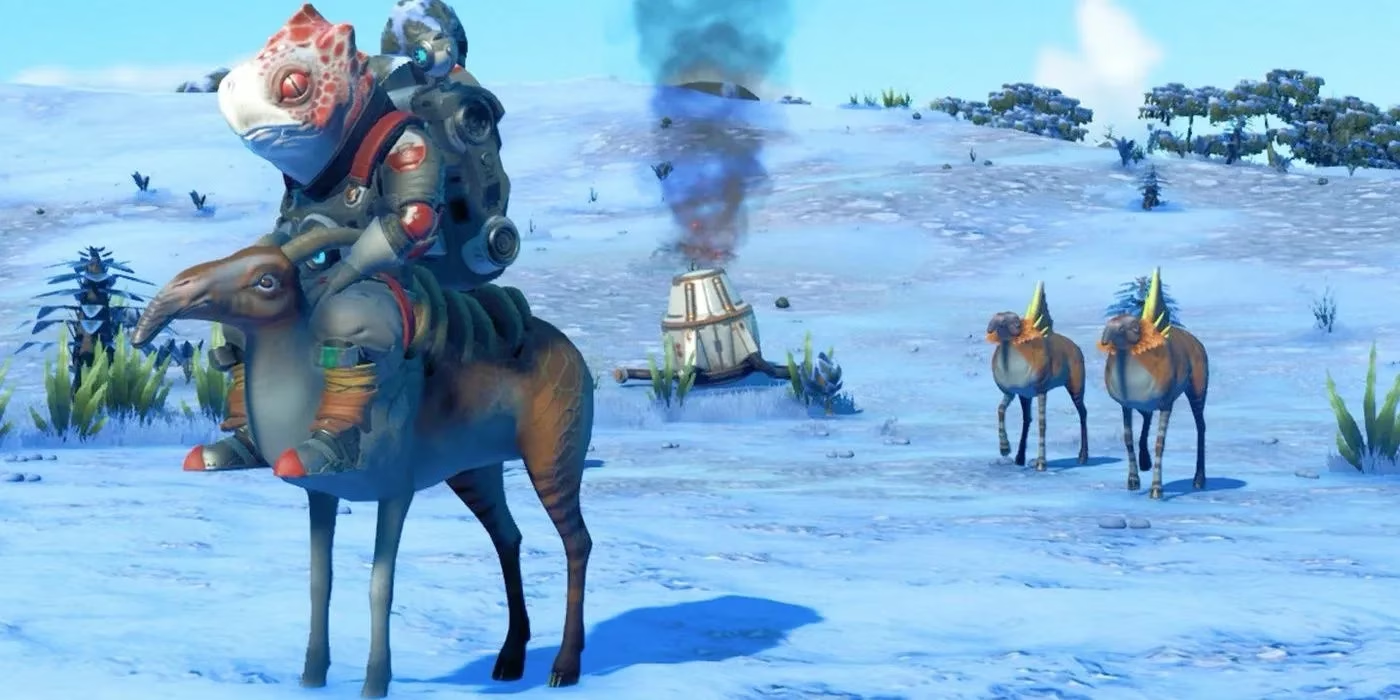
The journey of No Man's Sky is a masterclass in developer tenacity. Its ambition—a near-infinite, procedurally generated universe—was so grand that it seemed impossible. At launch, the reality was a hollow shell, missing many promised features like multiplayer and feeling devoid of purpose. The backlash was severe. Hello Games chose a path of silent, steadfast dedication. The NEXT update was the first major step, introducing true multiplayer, a visual overhaul, and base building. Since then, for nearly a decade, the studio has released a constant stream of massive, free updates: story campaigns, fleet management, settlement building, underwater exploration, VR support, and countless other features. Each one has woven new threads into the game's expansive tapestry. In 2026, No Man's Sky is no longer defined by its broken promises, but by its incredible fulfillment of them, offering one of gaming's most unique and peaceful exploration experiences.
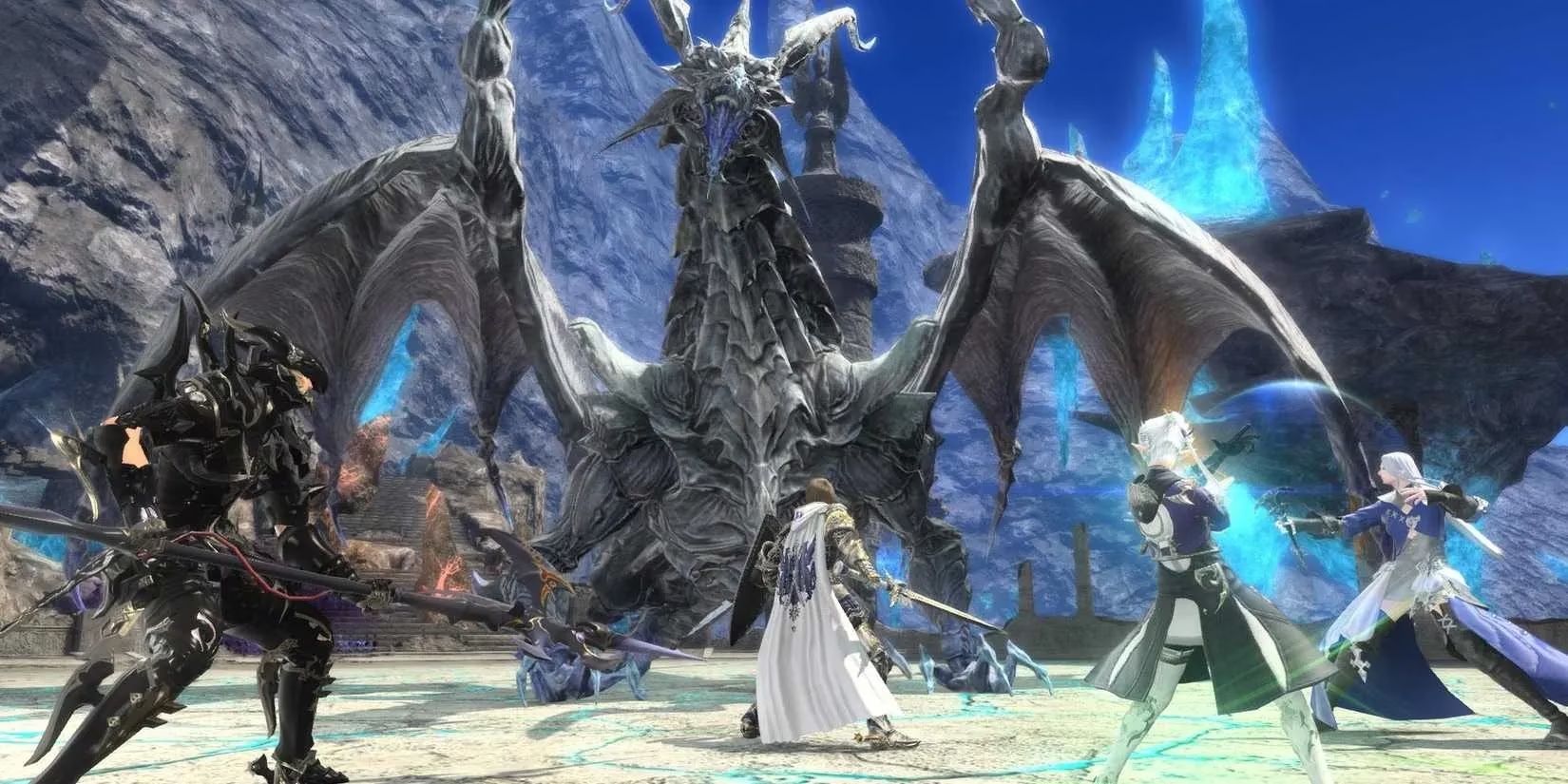
The crown jewel of gaming comebacks is unquestionably Final Fantasy XIV. The original 2010 release was so fundamentally flawed—plagued by poor performance, a lack of content, and a grindy, unfun core loop—that developer Square Enix took the unprecedented step of literally destroying its own game world in an in-game event. They then shut down the servers and spent years rebuilding it from scratch. The result was Final Fantasy XIV: A Realm Reborn, a complete overhaul with a new engine, compelling story, and robust endgame content. This was only the beginning. With each subsequent expansion—Heavensward, Stormbringer, Endwalker, and the latest, Dawntrail—the game has ascended to new heights of narrative excellence, musical brilliance, and gameplay depth. By 2026, it boasts one of the largest and most passionate MMO communities, with many considering it the pinnacle of the entire Final Fantasy franchise. Its story is a testament to the power of admitting failure, learning from it, and creating something truly magnificent.
These titles, along with others like The Division, Warframe, and GTA Online, demonstrate a powerful truth in modern game development: a bad launch does not have to be a death sentence. With sustained effort, clear communication, and a genuine commitment to players, redemption is possible. Their transformations have not only salvaged individual games but have also restored faith in their developers and set new standards for post-launch support. In an era where games are increasingly seen as evolving platforms, these remarkable turnarounds offer hope that even the most troubled beginnings can lead to legendary endings.