The dream was always there, simmering in the subconscious of a 90s kid weaned on the neon-drenched prophecies of Blade Runner—a fantasy of becoming a chrome-laced street punk in a future where flesh and machine blur. That dream, for so long, felt like a distant, flickering holo-sign. Then came 2020, and with it, Cyberpunk 2077. Yet, for many, the promise was a mirage; the game, at launch, was a bug-ridden mess, a digital ghost in a malfunctioning shell. For this player, it was an experience so broken it warranted a swift refund, a dream deferred and filed away in the digital graveyard of a Steam library. The road to Night City was, initially, a dead end.
A Phoenix from the Ashes: The 2024 Re-Entry
Fast forward to 2024. The whispers had become a roar. Patches flowed like data-streams, expansions like Phantom Liberty promised new depths, and the cultural footprint of the IP—supercharged by Netflix's Edgerunners—was undeniable. The time had come for a second chance, a true first step into the sprawl. Armed with upgraded hardware (an RTX 3070 Ti makes all the difference, choom) and a gift of the Ultimate Edition, the journey began anew. And what a journey it was. This wasn't a revisit; it was a revelation. Ninety hours on a single playthrough wasn't a grind; it was a compulsion, a deep, thirsty dive into every alley, gig, and story Night City had to offer. The game that was once a cautionary tale had been reborn, preem in every sense.
The Soul of the Sprawl: World-Building & Gameplay
Jumping into Night City in its refined state is nothing short of being transported. CD Projekt Red didn't just fix bugs; they polished a diamond-in-the-rough into a gleaming, brutal gem. The world is a character itself—dense, lived-in, and dripping with lore. That first ride with the fixer Dex DeShawn isn't just a tutorial; it's a masterclass in atmospheric storytelling, a slow-burn introduction that beats the ox-cart ride in Skyrim any day of the week. The gameplay, once janky, now sings. For an FPS veteran, the combat is a symphony of options:
-
Sandy (Sandevistan) Slaughter: Slowing time to land a perfect, gory headshot never gets old. It's pure, unadulterated power fantasy.
-
Stealth & Style: Opting for a stealth build with silenced pistols and throwing knives made every encounter a tense, tactical puzzle. The stealth camo was a game-changer, letting you ghost through missions like a true netrunner-in-training.
-
Melee Mayhem: From the visceral crunch of Gorilla Arms to the elegant, deadly whisper of a katana, getting up close and personal is deeply satisfying. Eventually, respeccing to become a packed-to-the-gills-with-cyberware freak with Monowire felt like achieving a personal, chrome-plated nirvana.
The game empowers you to craft your own legend, whether you're a silent ghost or a roaring, metal-plated typhoon.
Characters & Connections: The Heart in the Machine
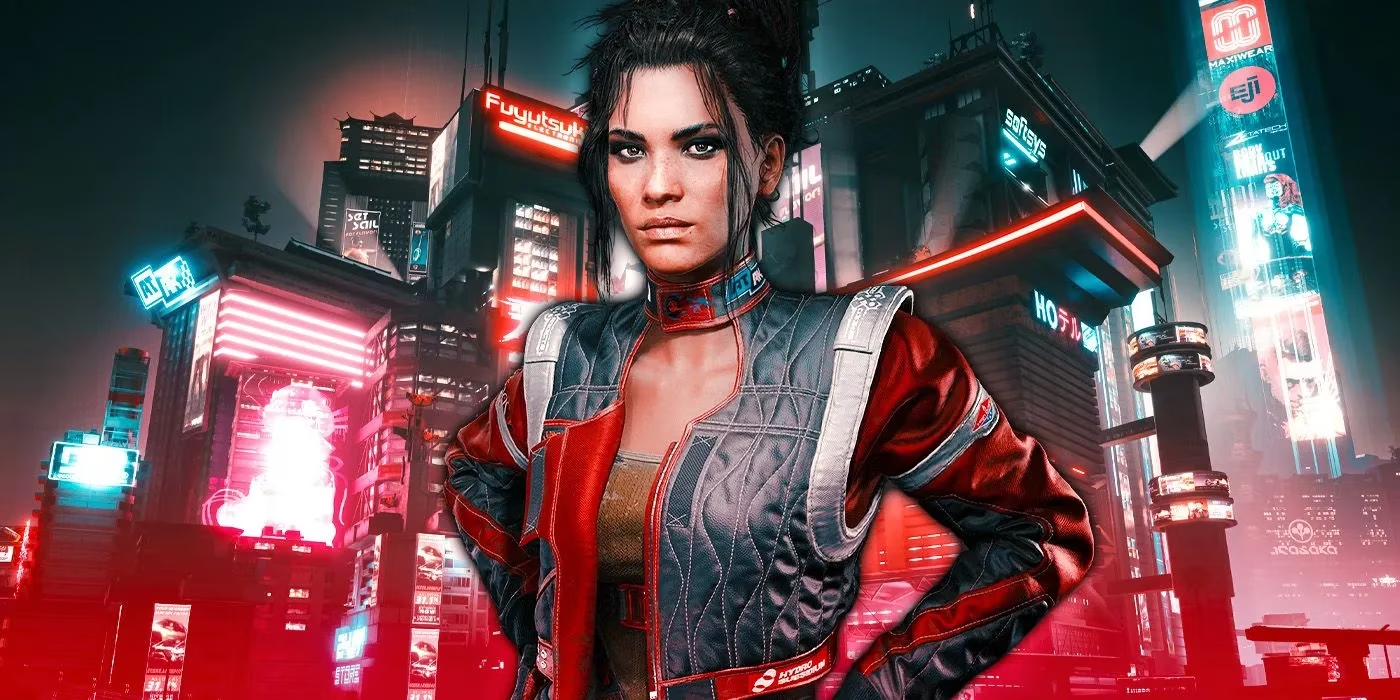
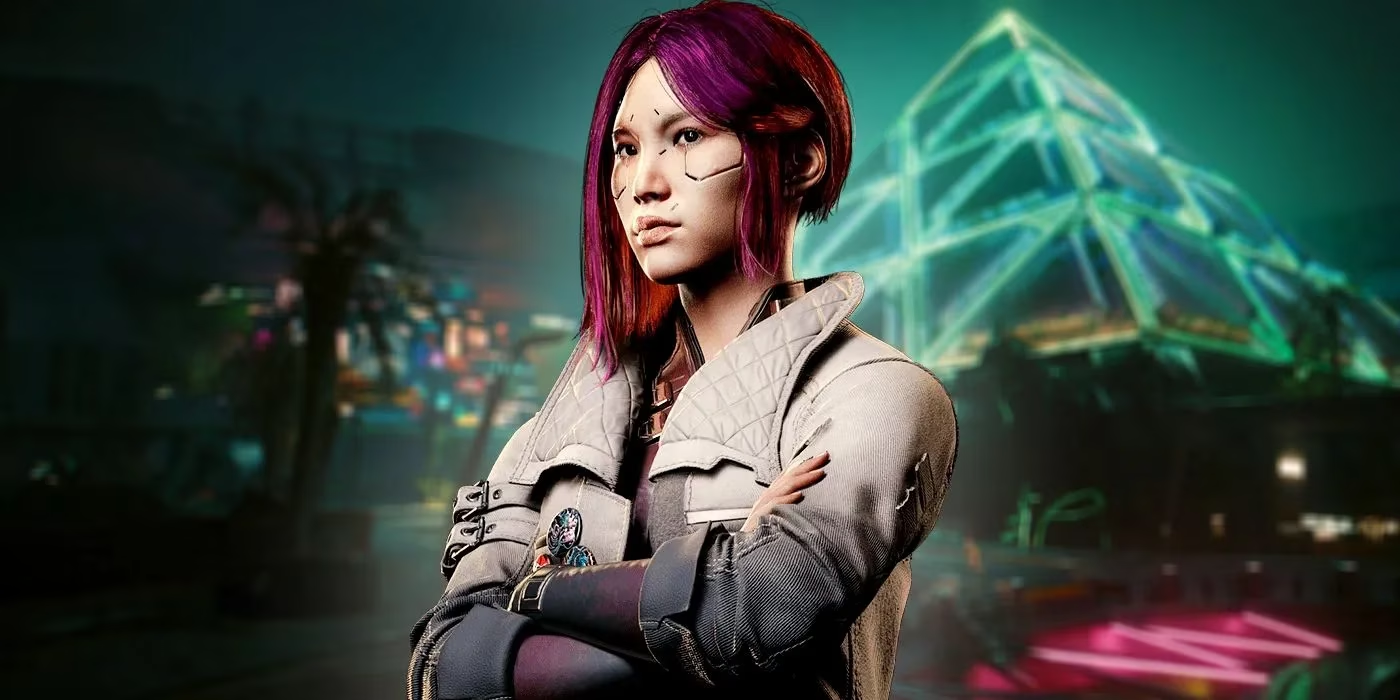
Beyond the chrome and gunplay lies the soul of Cyberpunk 2077: its characters. As a Street Kid (the only authentic choice for an anti-hero from a major city), the connections felt raw and real. And then there's the rockstar in your head, Johnny Silverhand. Keanu Reeves's performance is iconic, turning what could be a narrative gimmick into the game's emotional core. It probably says more about me than it does the games' developers, but the bond with Johnny became the highlight. The desire wasn't just to save V or defeat Arasaka; it was to find a way for this odd-couple partnership to live on, like an old married couple causing chaos together forever. Among the fixers, my favorite was hands down Mr. Hands. His cool, calculated swagger and the lawless vibe of the Dogtown missions in Phantom Liberty were absolute peak Cyberpunk, evoking that Mad Max chaos we all secretly crave.
Bittersweet Endings & The Legend's Price
No journey through Night City is complete without confronting its end. After 90 hours of building a legend, the conclusion can feel... abrupt. In this playthrough, the ending was a weird, cosmic heist setup that left things feeling unresolved. I truly wanted to go down in complete flames like Johnny, to make the ultimate sacrifice and become Night City's most memorable living legend. A quiet fade-out or a cliffhanger felt like a denial of that poetic, self-destructive climax the world seemed to demand. In a universe built on style over substance and blaze-of-glory finales, a subdued ending can feel like a letdown. But hey, that's the beauty of multiple endings—next time, the goal is clear: go out with a bang, not a whisper.
The Verdict: A Testament to Redemption
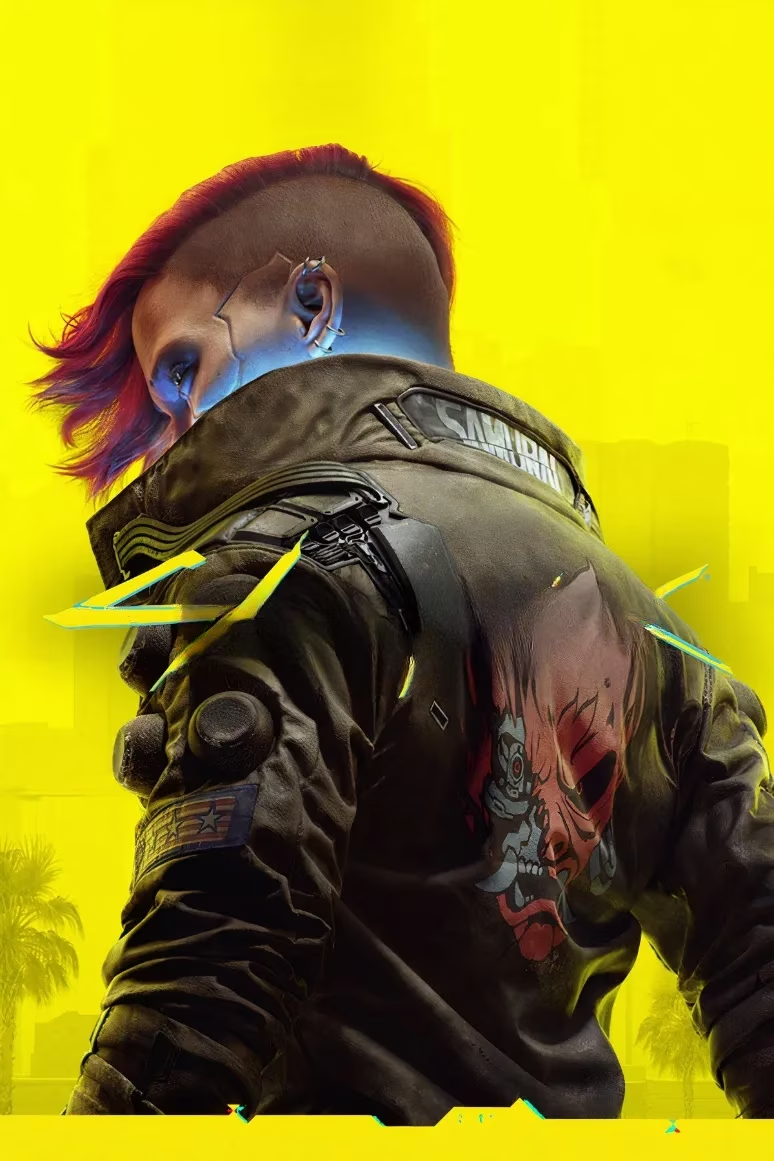
So, what's the final take? Cyberpunk 2077 in 2026 isn't just a good game; it's a testament to developer tenacity and the transformative power of post-launch support. It stands as a preem example of a vision fully realized. From its jaw-dropping visuals and butter-smooth gameplay to its rich narrative and unforgettable characters, it delivers the cyberpunk fantasy in spades. The journey from a broken launch to a beloved masterpiece is a story almost as compelling as the one within the game. It's a world you don't just play in; you live in it, breathe its neon-soaked air, and carve your name into its bloody history. The call of the sprawl is loud. And this time, it's a call worth answering. Wake the fuck up, Samurai. We've got a city to burn—again.