Back in the day, the launch of Cyberpunk 2077 was nothing short of a spectacle—a beautiful, bug-ridden facade that promised a deep dive into a genre but delivered a glossy postcard instead. Fast forward to 2026, and the conversation has shifted. While Night City's neon lights still flicker in the collective memory, a smaller, more poignant story has emerged from the digital shadows, serving up a steaming bowl of genuine cyberpunk philosophy. Forget the chrome and the braindances; the real dystopia is found in the cramped corridors of a low-rent apartment block, where the most heroic act is delivering noodles without having a bathroom-related accident.
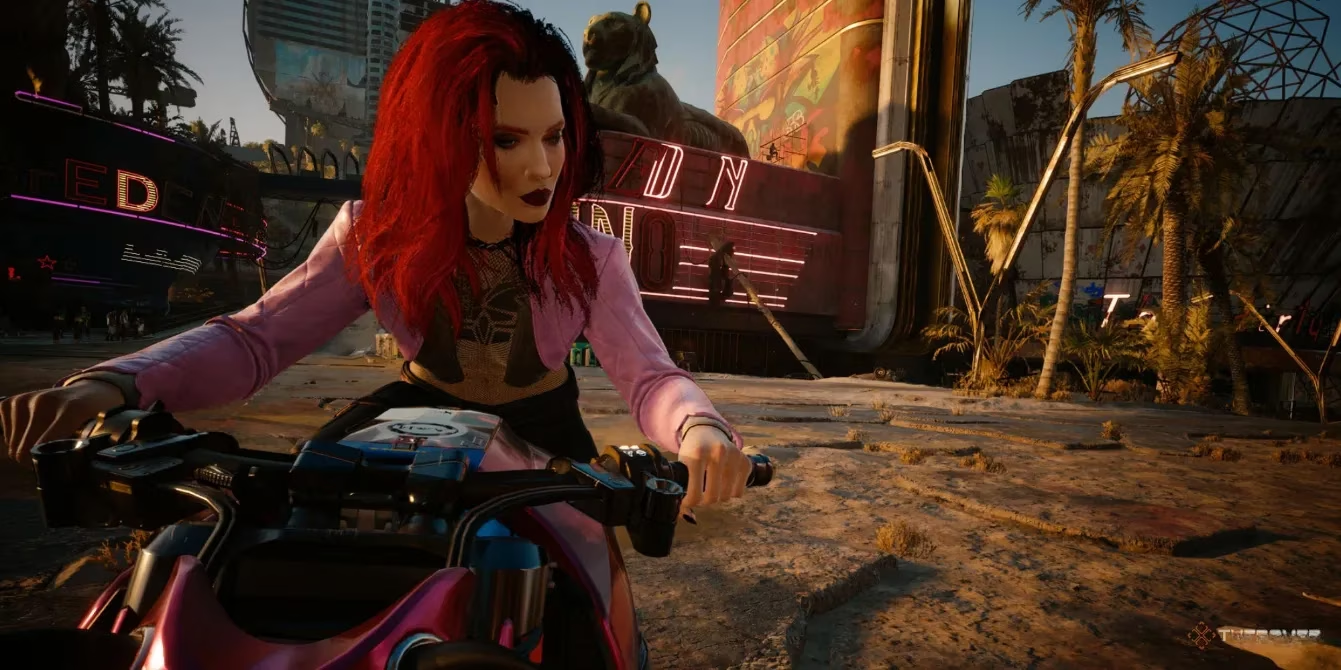
Now, let's talk about the one thing that did scratch that thematic itch in the big-budget title. The Trauma Team! Oh boy, what a concept. Imagine a world where healthcare isn't a right but a premium subscription service, and your paramedics roll up looking like a SWAT team. It's a brilliant, terrifying slice of satire that Cyberpunk 2077 just kinda... waved at from a distance. It was there, it was cool, but the game never really sat down to have a proper chat with it. What a missed opportunity!
Enter Death Noodle Delivery. This indie game, bless its heart, gets it. It understands that cyberpunk isn't about looking cool in a leather jacket; it's about the grind, the desperation, and the darkly funny reality of living in a capitalist meat grinder. You're not a legendary mercenary; you're a delivery driver on a jury-rigged hoverboard made from an old trash can, your most pressing mission being to find a functional toilet. Talk about relatable stakes!
The game's world is built in the spaces between deliveries. Your home isn't a fancy megabuilding apartment; it's a "poky flat" in a block of eight units, and this micro-community is where the game's soul resides. The writing here is so sharp it could cut through reinforced steel. You're not saving the world; you're navigating the quiet tragedies of your neighbors:
-
Moana, the VR sex worker: She's not a quest marker; she's a friend, exhausted from selling a digital version of herself to pay rent. The camaraderie between you two is palpable—you're both selling pieces of yourself, physically and mentally, just to stay afloat. It's a bond forged in shared desperation, no lasers required.
-
The VR-Addicted Couple: Upstairs, a relationship is crumbling because one partner refuses to leave their virtual world, leading to consequences that are both absurd and heartbreaking. You don't storm a corporate tower; you attend a VR funeral. The satire here is so potent it hurts.
-
The Withholding Best Friend: Even your pal won't let you use his bathroom! This isn't just a joke; it's a symptom of a world where every resource, even basic human decency, is commodified.

The genius of Death Noodle Delivery is in the details your character doesn't even speak. The way he moves tells the whole story. He doesn't strut; he limps. He carries himself with the permanent stoop of someone crushed by the weight of their own life—literally, from the noodle backpack, and metaphorically, from the system. He's malnourished, in pain, and completely abandoned by any notion of affordable healthcare. This single, silent animation does more to sell the dystopian grind than all of Night City's scripted moments combined. It screams, "This is not a power fantasy. This is a story about broken people."
Where Cyberpunk 2077 gave us a world to look at, Death Noodle Delivery gives us a world to feel. The friction of piloting a janky hoverboard, the frustration of evading a rival pizza delivery guy (the ultimate petty capitalist conflict!), the constant anxiety of unpaid bills—it all feeds into the central theme. You're not rebelling against the corps; you're hacking your own delivery board just to make your next payment, breaking minor laws not for glory, but for survival. That's the cyberpunk ethos, served straight up, no chaser.
It's a crying shame, really. Imagine if the narrative ambition and character depth of Death Noodle Delivery had the budget and scope of a AAA title. Conversely, imagine if Cyberpunk 2077 had possessed even half of this game's thematic courage and satirical wit. The indie scene has once again shown that a powerful story doesn't need a billion eddies in the bank; it just needs something real to say. Death Noodle Delivery says it all with a limp, a grunt, and a desperate need for the loo. Now that's cyberpunk.