In the sprawling, neon-drenched dystopia of Night City, where chrome-plated mercenaries and corporate overlords wage endless war, the true soul of Cyberpunk 2077 wasn't found in its epic main narrative, but in the forgotten alleyways and whispered stories of its side quests. 🤯 These seemingly optional adventures, from aiding a sentient vending machine to uncovering the tragic plights of everyday citizens, transformed a digital playground into a living, breathing world. While skipping them was possible, doing so meant missing the very essence of what made Night City unforgettable—a tapestry woven from absurdity, horror, and profound human (and sometimes non-human) connection. The impact was undeniable, with these missions not only offering legendary loot but secretly holding the keys to influencing the game's multiple, fateful endings.
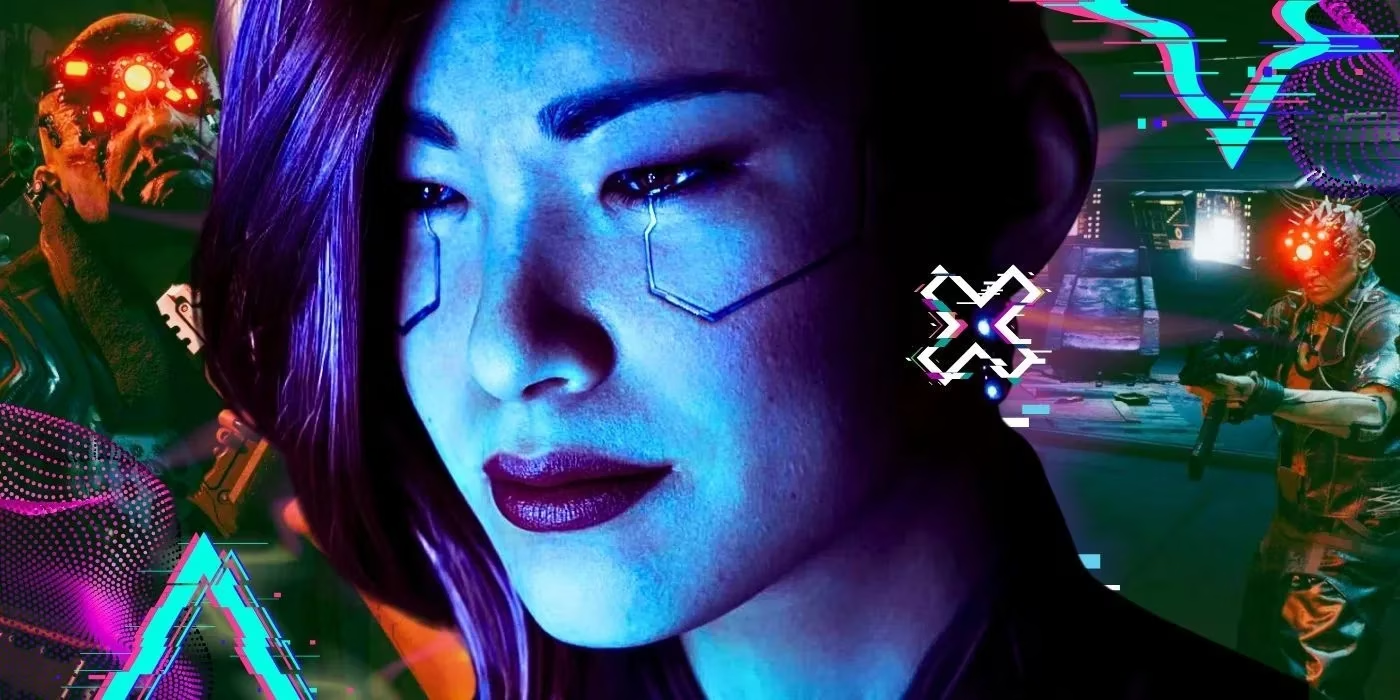
The Brutal, Beautiful Culling: Where 90% of Ideas Go to Die 🪦
The secret to this side quest supremacy wasn't magic; it was a process of ruthless, creative Darwinism. Paweł Sasko, the game's lead quest designer, pulled back the curtain in a revealing 2024 interview. The formula was deceptively simple yet brutally efficient: flood the room with ideas, then kill most of them. Quest designers were mandated to pitch constantly—five to twenty concepts a day, each distilled into just four sentences. No idea was too silly, too outlandish, or too bad to share. This created an avalanche of raw creativity where only the absolute strongest, roughly the top 5-10%, survived to see the light of a development pipeline. Sasko framed this not as discouraging, but as liberating. He posited that even the greatest minds generate a mountain of bad ideas; the skill lies in recognizing the rare gem. A designer with a 10% acceptance rate? That, according to Sasko, was likely one of the team's superstars.
Poverty Breeds Genius: How Tiny Budgets Birthed Iconic Moments 💡
Here's the twist that defies all conventional game development wisdom: many of the quests players now revere as masterpieces had the smallest budgets. Sasko highlighted this beautiful paradox, stating, "You can make so many amazing things with clever ideas, with working with limitations." This principle echoes across creative history. Think of Steven Spielberg's Jaws: a broken mechanical shark forced the director to rely on implication, POV shots, and John Williams' chilling score, creating a far more terrifying monster than any prop ever could. In Night City, these constraints pushed designers to innovate, to focus on raw emotional beats and clever storytelling mechanics over expensive set pieces. The result? Missions that punched far above their weight, delivering unforgettable narratives through simplicity and sheer ingenuity.
Now, fast forward to 2026. The legacy of these lessons isn't just historical trivia; it's the foundational blueprint for the future. CD Projekt Red is deep in the trenches developing the sequel, codenamed Project Orion, and the philosophy has evolved from rigorous pitching to expansive creative freedom. Game director Gabe Amatangelo, the architect behind the celebrated 2.0 update and Phantom Liberty expansion, has orchestrated a seismic cultural shift within the studio. His mantra? "Give everyone more freedom, letting them just create." The days of directors micromanaging every checkbox are over. Instead, the new process involves managers performing occasional "spot checks" for overall vision alignment, followed by targeted, collaborative discussions if something veers off course. This trust-based system, proven successful in Phantom Liberty's development, is now the engine driving Project Orion.
The studio's approach has become more holistic and interdisciplinary. Teams are now melting pots of diverse skillsets—writers, level designers, artists, and programmers brainstorming together from a quest's inception. This ensures that the clever ideas born from limitation are conceived with a full understanding of the technical and artistic canvas. Sasko's philosophy of "pitch everything" merges with Amatangelo's culture of empowered creativity. Designers are free to dream wildly, but within a framework where the best ideas naturally rise to the top through collaboration, not just competition.
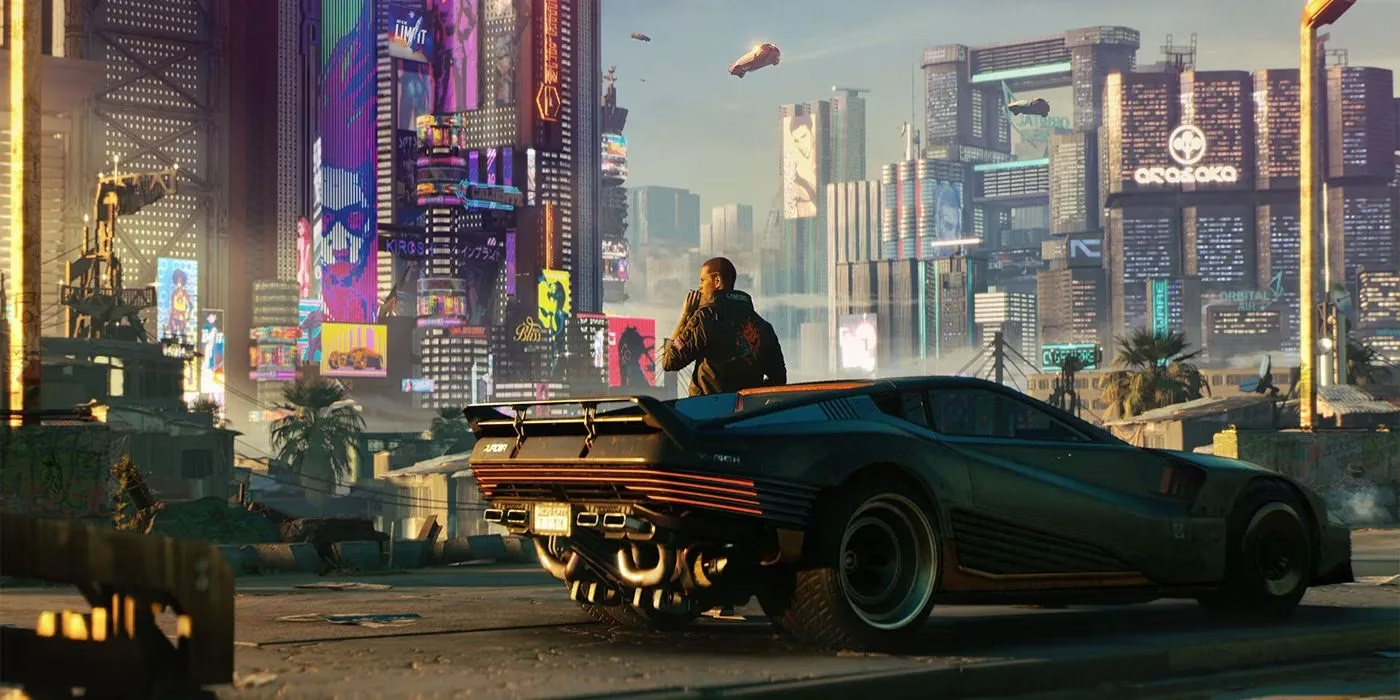
What does this mean for the next journey into the Cyberpunk universe? The prognosis is thrilling. The sequel is being built by a coalition of veterans who lived through the original game's development renaissance, including Sasko himself. They carry with them the hard-won knowledge that:
-
Constraints can be catalysts.
-
The "bad" idea is a necessary step to finding the brilliant one.
-
True innovation happens when ego is left at the door.
This potent combination—the relentless pitch culture that weeds out mediocrity, the embrace of limitations as a creative tool, and a new era of developer-led freedom—sets the stage for Project Orion to not just match, but potentially surpass, the narrative depth that defined its predecessor. Night City's next chapter is being written by creators who have learned that the soul of a cyberpunk world isn't forged in the budget for giant explosions, but in the quiet, clever, and emotionally resonant stories found in its darkest corners. The future, it seems, belongs to the ideas that survive the purge. 🔥