In the neon-drenched, rain-slicked streets of Night City, where chrome limbs gleam under holographic advertisements and braindances offer hyper-realistic escapes, there exists a persistent, low-polygon mystery that continues to baffle the game's most dedicated denizens. Cyberpunk 2077, a title that has risen from the ashes of a catastrophic launch to become a benchmark for narrative depth and visual splendor, harbors a secret that feels ripped from a different technological era. Amidst the game's triumphant comeback story—a phoenix rising from digital rubble—lies a collection of culinary creations that look less like sustenance and more like forgotten assets from a PlayStation 2 developer's hard drive. The contrast is as jarring as finding a perfectly preserved, 8-bit sprite of a sandwich inside a gourmet chef's latest molecular gastronomy creation.
The Great Food Debate Ignites
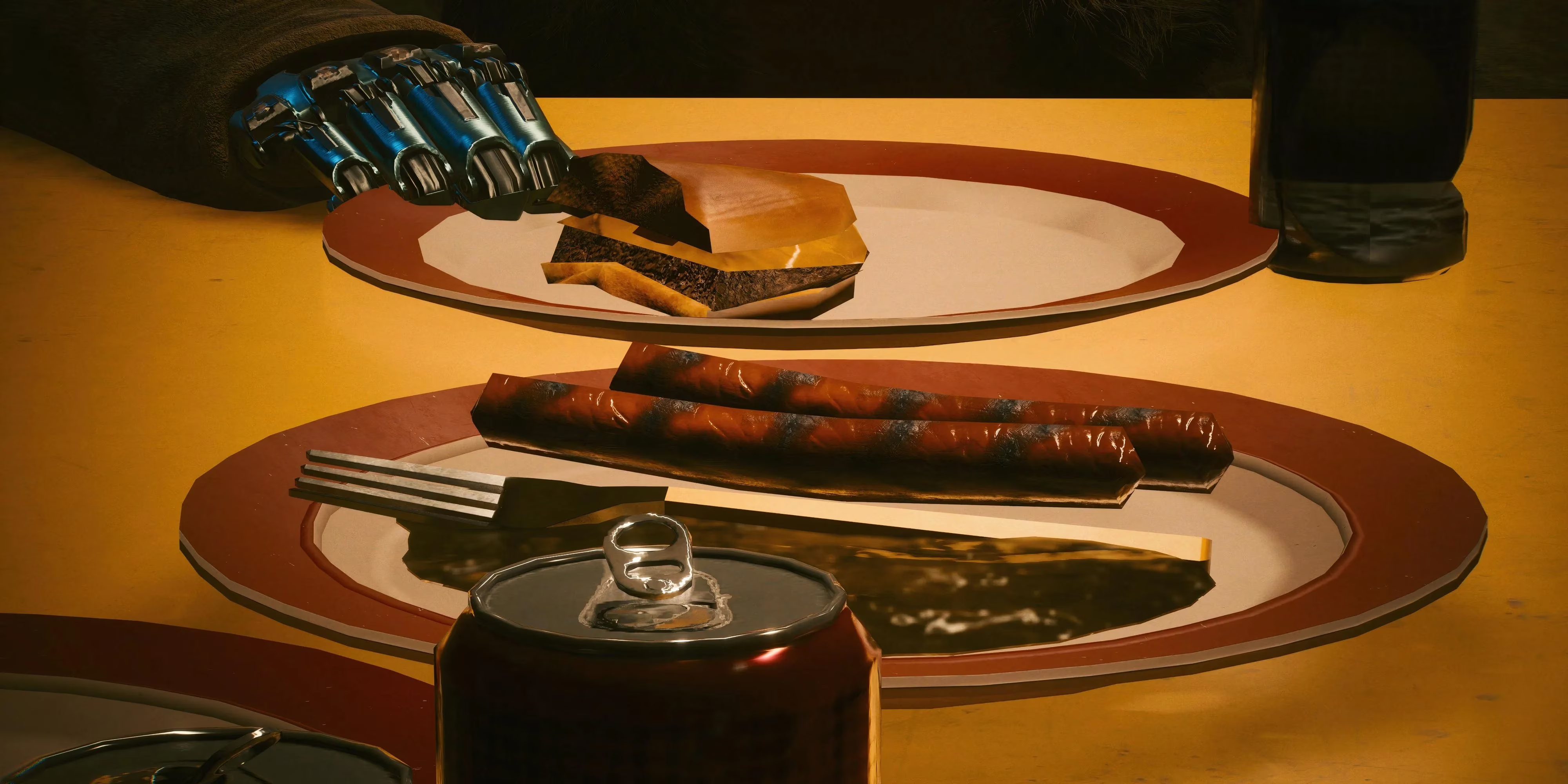
The conversation, simmering for years, recently boiled over on social platforms. A player, Bottlecap_riches, cast a spotlight on the issue with a simple yet damning screenshot. It featured a hamburger and sausages whose textures were so blocky and simplistic they seemed like geometric placeholders. The visual dissonance was amplified by the hyper-realistic hand of another character resting nearby, making the food items appear like crude sculptures clumsily dropped into a photorealistic painting. The post, garnering thousands of upvotes, framed the question on everyone's mind: in a game world obsessed with detail, from the grime on a gutter to the individual circuits in a cyberdeck, why does the food look like it was rendered on hardware from two decades ago?
Bottlecap's accusation of it seeming "somewhat... lazy" sparked a fiery debate. The community fractured into two camps:
-
The Critics: Who saw the low-quality food as an immersion-breaking blemish on an otherwise meticulously crafted world.
-
The Defenders: Who argued that development resources, especially during the game's turbulent initial years, were undoubtedly prioritized for critical fixes and core gameplay over sandwich physics.
One supporter, Kinomino, pointed to the game's smooth drinking animations as proof the team could do it, theorizing that rushed executive deadlines forced tough choices. "I hate that people blame the artists for the decisions of executives," echoed another, shifting the critique from the development floor to the boardroom. The food, in this view, became a silent monument to the game's troubled production—a relic of compromise.
Enter the Sandwich Paradox
The debate naturally evolved into a broader industry comparison, most notably with Bethesda's Starfield. Players noted that while Starfield's sandwiches were visually superior—glistening with mayo and boasting individually rendered lettuce strands—they existed in a world plagued by loading screens and sometimes static world design. Conversely, Cyberpunk's jagged-edged snacks existed seamlessly within a vast, uninterrupted, and dynamic cityscape.
This contrast was brilliantly dubbed the 'Sandwich Paradox' by the community. User Either-Inside4508 encapsulated it: "a 700 polygon sandwich but no loading screens vs a 70,000 polygon sandwich but lots of loading screens." It framed a fundamental game design question: where should computational and artistic resources be allocated? Is a perfect sandwich worth a loading screen? For many in Night City, the answer was a resounding no. Moxiousone's comment summed up the prevailing sentiment: "If the price is Starfield levels of blandness, I'll take the sharp-edged sandwich every time." The blocky burger, therefore, transformed from an eyesore into a strange badge of honor—a symbol of the game's commitment to a seamless, living world, even if its cuisine suffered. It was the digital equivalent of a legendary dive bar that serves terrible fries but has the best atmosphere in town; you complain, but you keep coming back.
A Legacy and a Future
As of 2026, the janky food of Night City remains an enduring, quirky footnote in Cyberpunk 2077's legacy. It's a testament to the game's journey—a reminder of its scarred launch and a point of fond, humorous contention for its redeemed community. The items sit in inventories and on vendor shelves like charmingly ugly museum pieces, their low-polygon forms now part of the game's unique identity.
All eyes now turn to the future. With CD Projekt Red deep in development on the next Witcher saga, the gaming world watches with curiosity. Will the studio apply the hard-won lessons from Night City's revival across all aspects of their next project? Will the inns of the Continent serve stews that look as rich and hearty as their stories? The question of whether CDPR will "up its food game" is about more than pixels on a plate; it's about whether the studio's philosophy of post-launch redemption extends to perfecting even the smallest, most easily overlooked details. The legacy of Night City's infamous burgers may yet influence the polish on a plate of grilled meat in a Witcher tavern, making this culinary mystery a small but flavorful ingredient in the ongoing story of a developer's evolution.
For players and enthusiasts who continue to explore the intricate details of Night City and beyond, the broader gaming community offers countless resources to deepen their experience. Whether you're hunting for lore insights, tips to maximize your in-game builds, or simply looking for places to share your own stories, it's always rewarding to connect with like-minded individuals. In a world where every detail—from jagged burgers to seamless cityscapes—sparks discussions, having access to a hub of resources can make all the difference.
If you're eager to join the conversation or discover tools to enhance your gaming adventures, platforms like Lootbar provide a great starting point. With a focus on delivering curated gaming content and community-driven insights, Lootbar is a space where players can dive even deeper into the games they love. It's a reminder that, much like Night City, the gaming world thrives on collaboration and shared passion.