Alright, chooms, gather 'round. Let's have a real talk about Night City. You remember it, don't you? The neon-drenched dystopia, the chrome, the chaos. Maybe you were there on day one, back when the game was more of a glitch-filled promise than a polished experience. Maybe you heard the stories and decided to wait. Well, let me tell you, as someone who's put more hours into this city than I have into sleep in 2026, the game has been fixed. And I mean really fixed. CD Projekt Red didn't just patch some holes; they rebuilt the damn engine, and what we have now is, without a shadow of a doubt, one of the greatest gaming comebacks and experiences of our time. Whether you're a grizzled veteran who never finished that first playthrough or a fresh-faced newbie who's never set foot in the Badlands, I'm here to tell you that Night City is calling, and it's never sounded better.
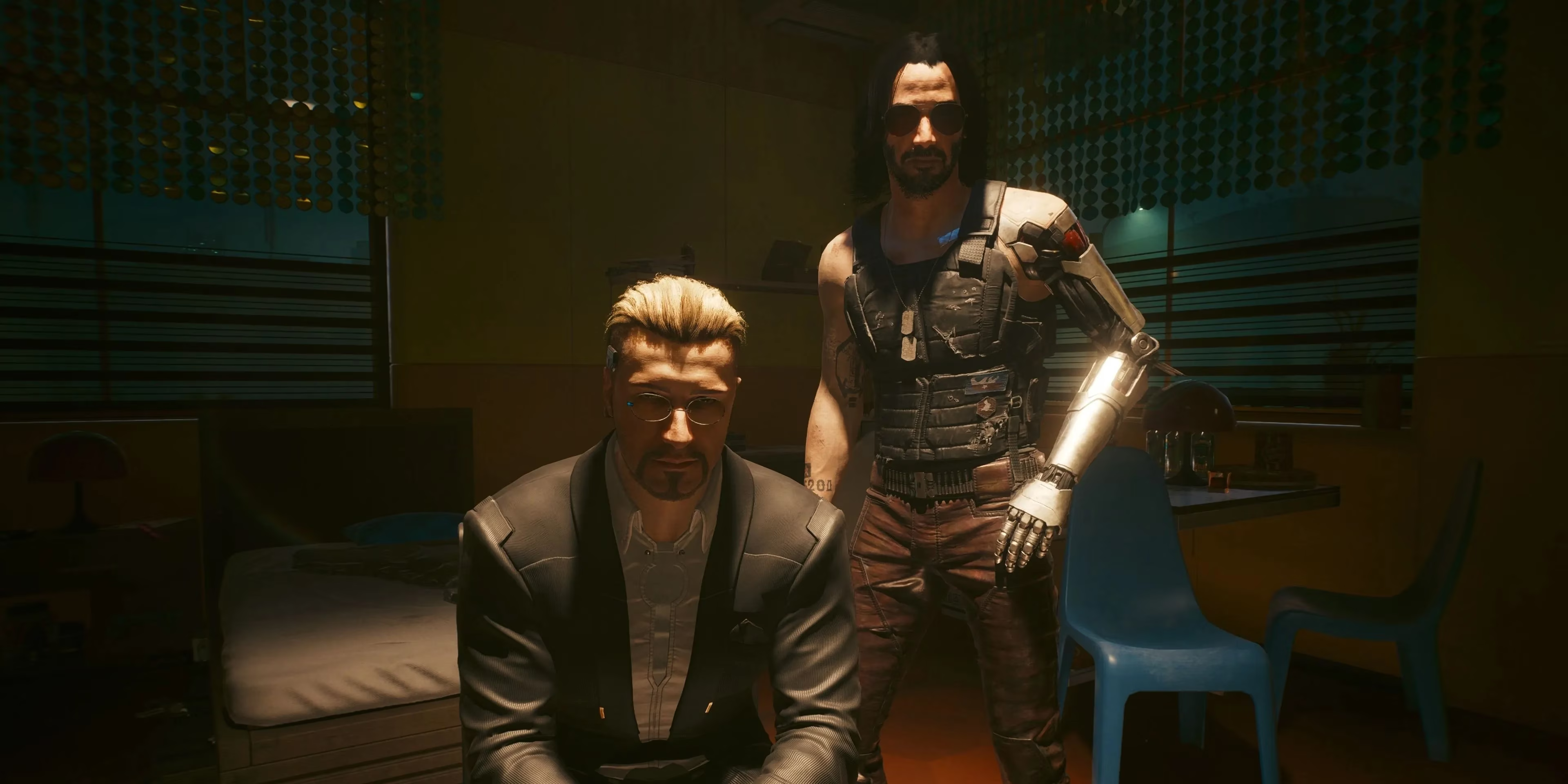
Let's start with the soul of the place: the people. My first time through, I rushed. I was all about the main quest, the big score. I missed so much. Returning now, I'm taking my time, and let me tell you, the characters you meet—from the tragic bravado of Jackie Welles to the utterly unnerving aura of Peter Pan—they stick with you. These aren't just quest-givers; they're stories walking. Every side gig, every random encounter in a back alley, weaves another thread into the massive, grimy tapestry of Night City. Replaying means I get to live those stories again, or discover entirely new ones I blew right past the first time. It's like rewatching your favorite show and catching all the foreshadowing you missed.
Now, the real meat and potatoes for any returning player: building your new V. The 2.0 Update (and the subsequent refinements leading into 2026) didn't just tweak the perk system; they unleashed it. Remember when builds felt a bit... samey? Gone. The freedom is breathtaking.
You want to be a silent, chrome-plated ninja who clears rooms with a monowire before anyone even blinks? Go for it. You'd rather be a walking tank who solves every problem with a shotgun blast to the face? The game has your back. Or maybe you want to dive deep into the new Relic skill tree and become a netrunning god, turning enemies' own cyberware against them. The build-crafting potential is nearly limitless, and experimenting with it is half the fun of a new playthrough.
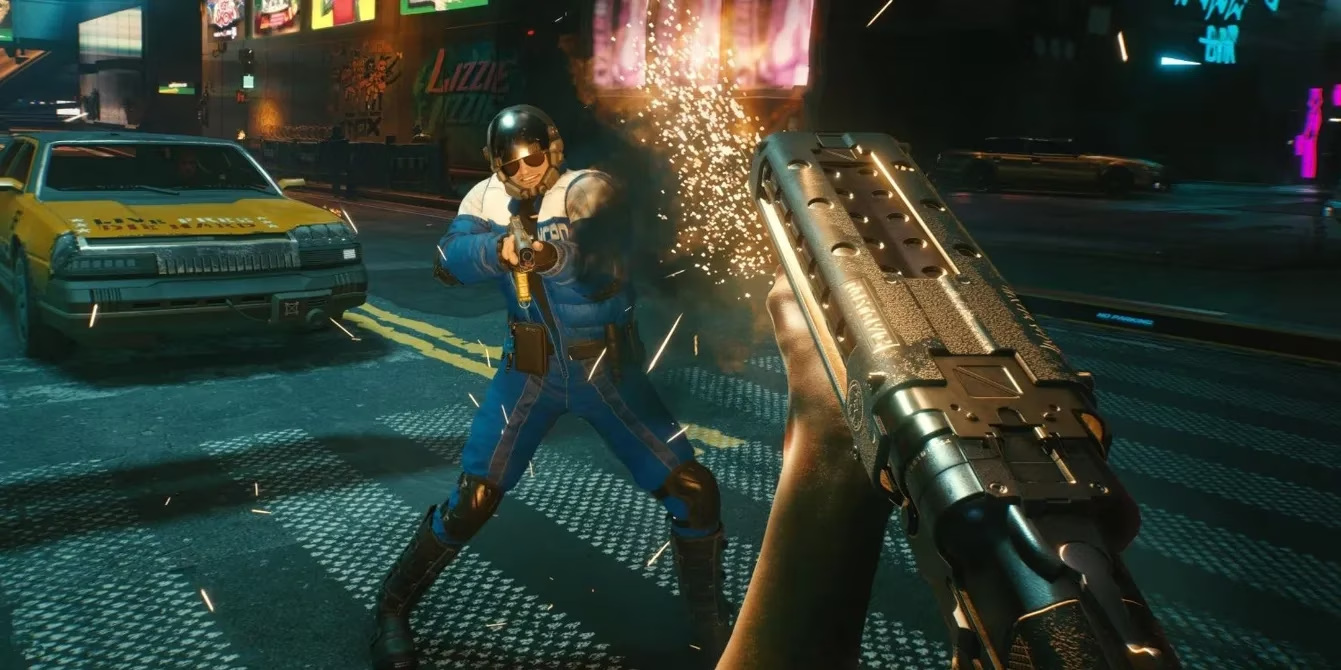
Of course, I can't talk about the modern Cyberpunk 2077 experience without screaming from the rooftops about Phantom Liberty. This expansion isn't just DLC; it's a masterclass in storytelling and a seamless, essential chapter of V's journey. We're talking a solid 20+ hours of espionage, betrayal, and impossible choices set in the volatile, walled-off district of Dogtown. The missions are tighter, the writing is sharper, and the stakes feel incredibly personal. Idris Elba's Solomon Reed is a fantastically complex addition, and seeing Keanu Reeves' Johnny Silverhand react to this new chaos is worth the price of admission alone. If your first playthrough was base-game only, you haven't seen the full story.
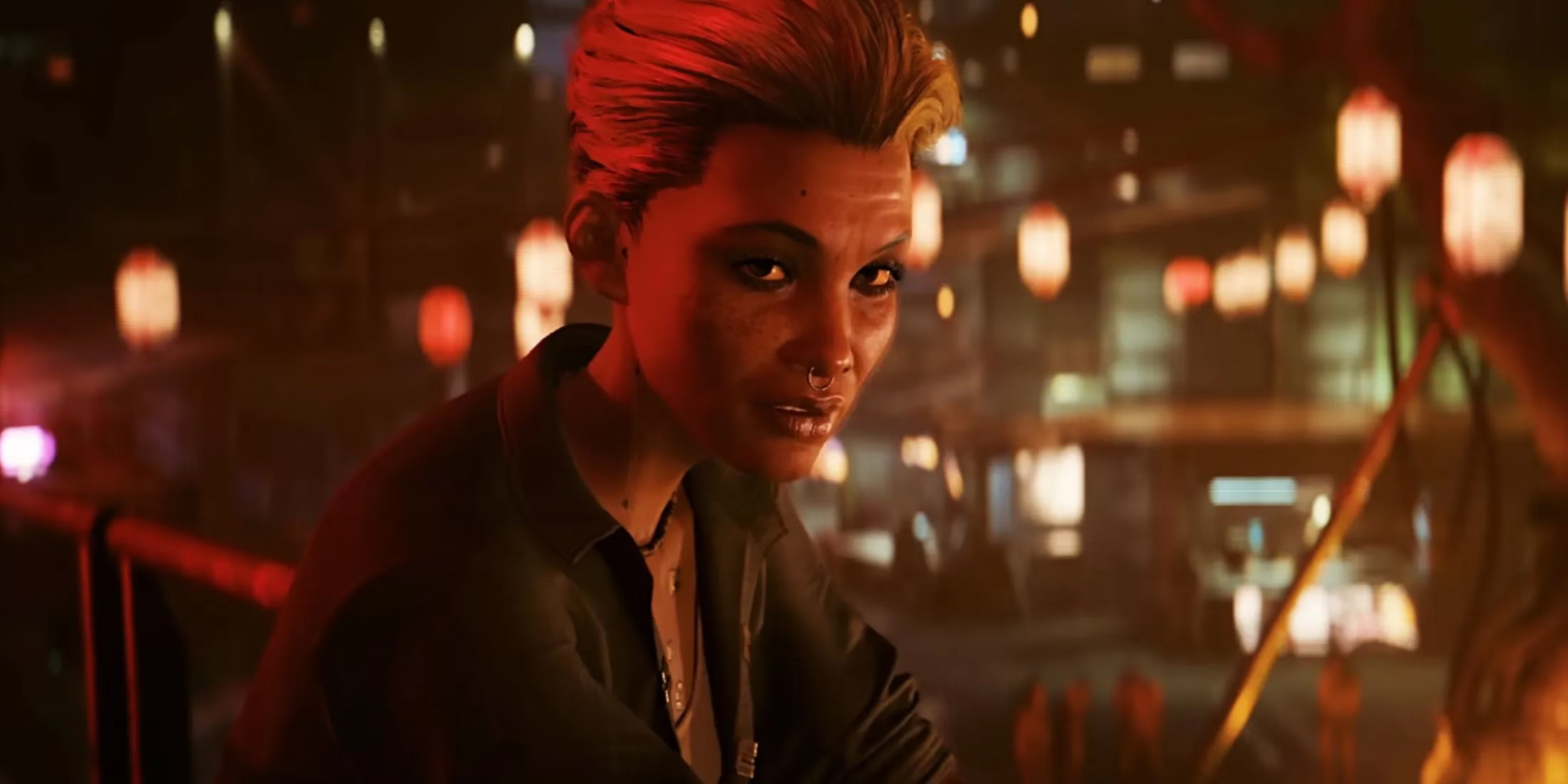
Let's address the chrome-plated elephant in the room: the bugs. I get it. That initial launch left a scar. But in 2026? That scar has healed into a cool, cybernetic tattoo. The "game is fixed" line from the Phantom Liberty trailer wasn't just clever marketing; it was a statement of fact. The persistent, game-breaking issues are ancient history. What remains is a stable, breathtakingly beautiful, and deeply immersive RPG. The performance is smooth, the visuals are stunning with modern hardware, and you can actually play for hours without encountering anything more than a rare, humorous visual quirk. It's the game we were promised, finally delivered.
A second run is also your chance to be a completionist—or at least, a more thorough merc. Iconic Weapons, those uniquely powerful and stylized guns, are often hidden behind specific choices or tucked away in easily missed corners. My first V never found the iconic pistol that fires explosive rounds. My current V? It's her prized possession. There's a whole arsenal of these beauties to collect and display in your apartment, each telling a story of its own. Hunting them down gives you a new goal and lets you experience combat in wildly different ways.
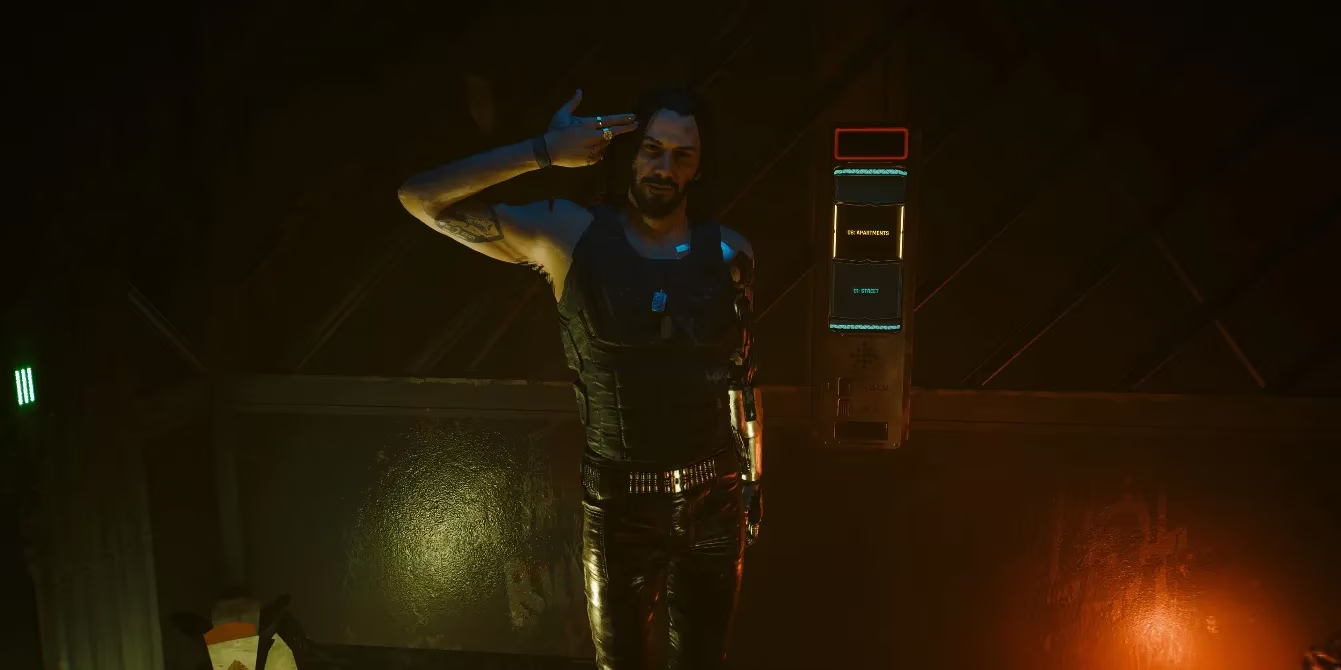
This brings me to the true genius of Night City: consequence. The moral gray areas aren't just set dressing; they're the foundation. Every gig for a Fixer can present a dilemma. Do you take the easy, violent route, or do you try to find a messy, complicated peace? On a replay, you have the power to explore these branches. Maybe this V is a stone-cold killer. Maybe this V has a soft spot for desperate people. Roleplaying as this V, rather than just yourself, asking "What would this version of me and Johnny do?" creates an unbelievably immersive narrative experience. You'll see entirely different outcomes, hear different dialogue, and shape Night City in a new image.
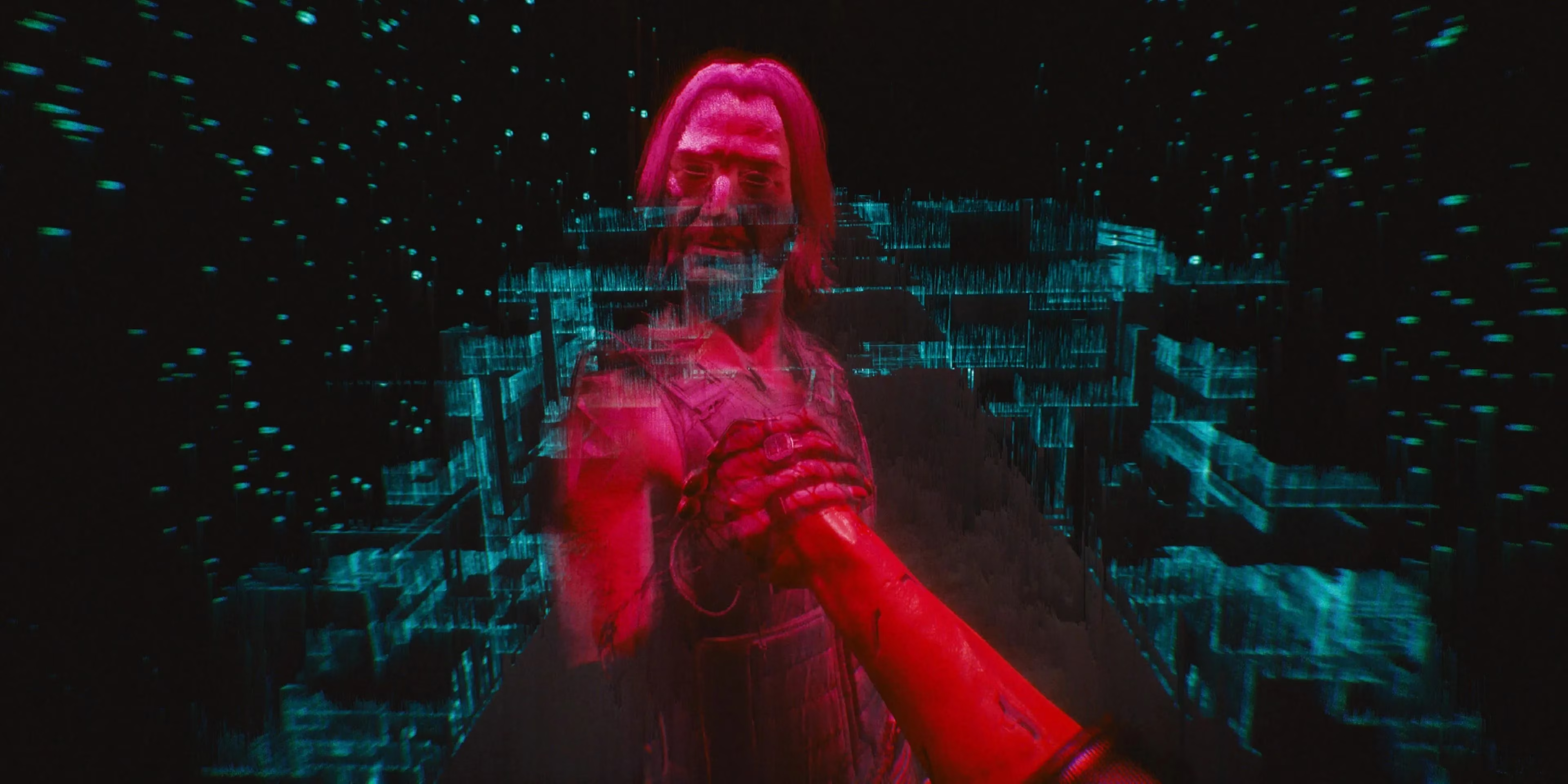
And finally, the endings. Oh, the endings. There are seven major ways to conclude V's desperate fight for survival and identity. On a first playthrough, you stumble into one, often based on split-second decisions you didn't fully understand. But on a second run? You have foresight. You have context. You can play the entire game with a specific, definitive ending in mind, making choices that build thematically toward that finale. Whether you aim for the blaze-of-glory suicide run, the bittersweet quiet life, or the enigmatic new possibilities offered by Phantom Liberty, you can craft a cohesive story from start to finish. It allows for a sense of closure and catharsis that a blind first run simply can't provide.
So, what's the verdict? In 2026, Cyberpunk 2077 stands tall not as a cautionary tale, but as a triumph. It's a deep, reactive, and endlessly stylish RPG packed with unforgettable characters, unparalleled build diversity, and a world that truly feels alive with consequence. It's a game that deserves a second chance, a second look, and most importantly, a second life. Your new V is waiting. The streets of Night City are calling. Time to go all in.