In the world of AAA gaming, few studios craft narratives that linger in players' hearts like CD Projekt Red. The emotional punch of The Witcher 3 and the raw, neon-soaked stories of Cyberpunk 2077 have set a high bar. 🎮 According to Pawel Sasko, the associate game director for the next Cyberpunk title, the core ingredient behind these unforgettable moments isn't just clever writing or stunning graphics—it's empathy. Having shaped quests from the Bloody Baron's tragic tale to So Mi's desperate plight in Phantom Liberty, Sasko believes connecting with players on a human level is the true 'secret sauce.'
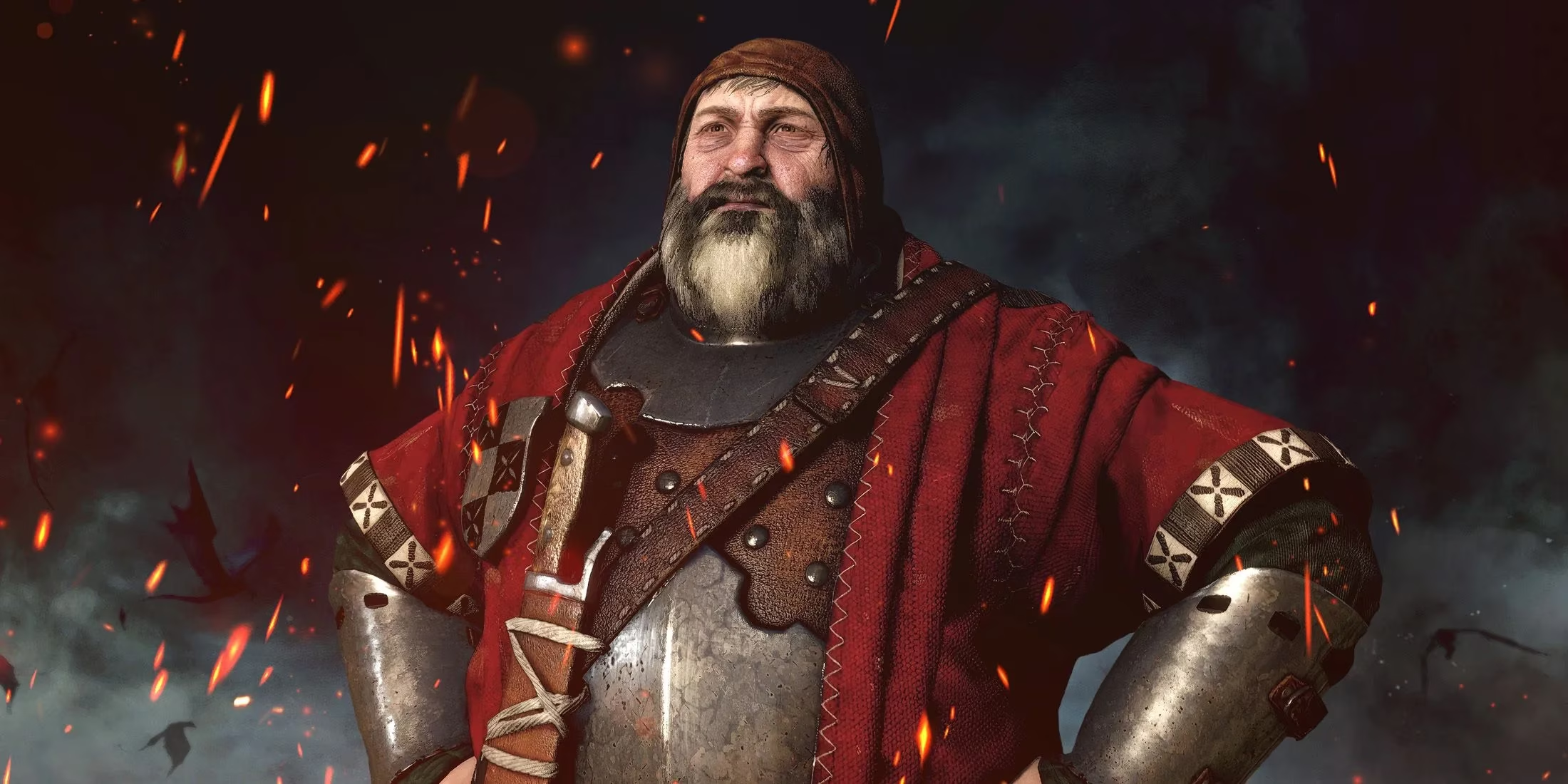
At Gamescom LATAM, Sasko laid out CDPR's foundational philosophy: quests should follow the order of 'play, show, then tell.' This means prioritizing interactive drama within gameplay itself, not just in cutscenes. Let players do, then let the world show them the consequences, and use exposition only as a last resort. It's within this 'show' phase that empathy becomes the designer's most powerful tool. Sasko's goal is to make players stop analyzing and start feeling, forging a genuine bond between them and the virtual characters. This connection is what transforms a good game into an immersive, life-altering experience, even in settings far removed from our own reality.
He often instructs his design team: 'Try to get that player to be empathic because there are so many different things that can touch players.' This isn't abstract theory. Sasko points to two iconic sequences that masterfully leverage player empathy. The first is the harrowing moment in Cyberpunk 2077: Phantom Liberty where Songbird (So Mi) is dying on the spaceport train—a scene of vulnerability and failed salvation that leaves players heartbroken. The second, even more poignant example, comes from The Witcher 3: the Bloody Baron solemnly carrying the cursed Botchling, a monster born from his own tragic loss, to give it a proper burial.
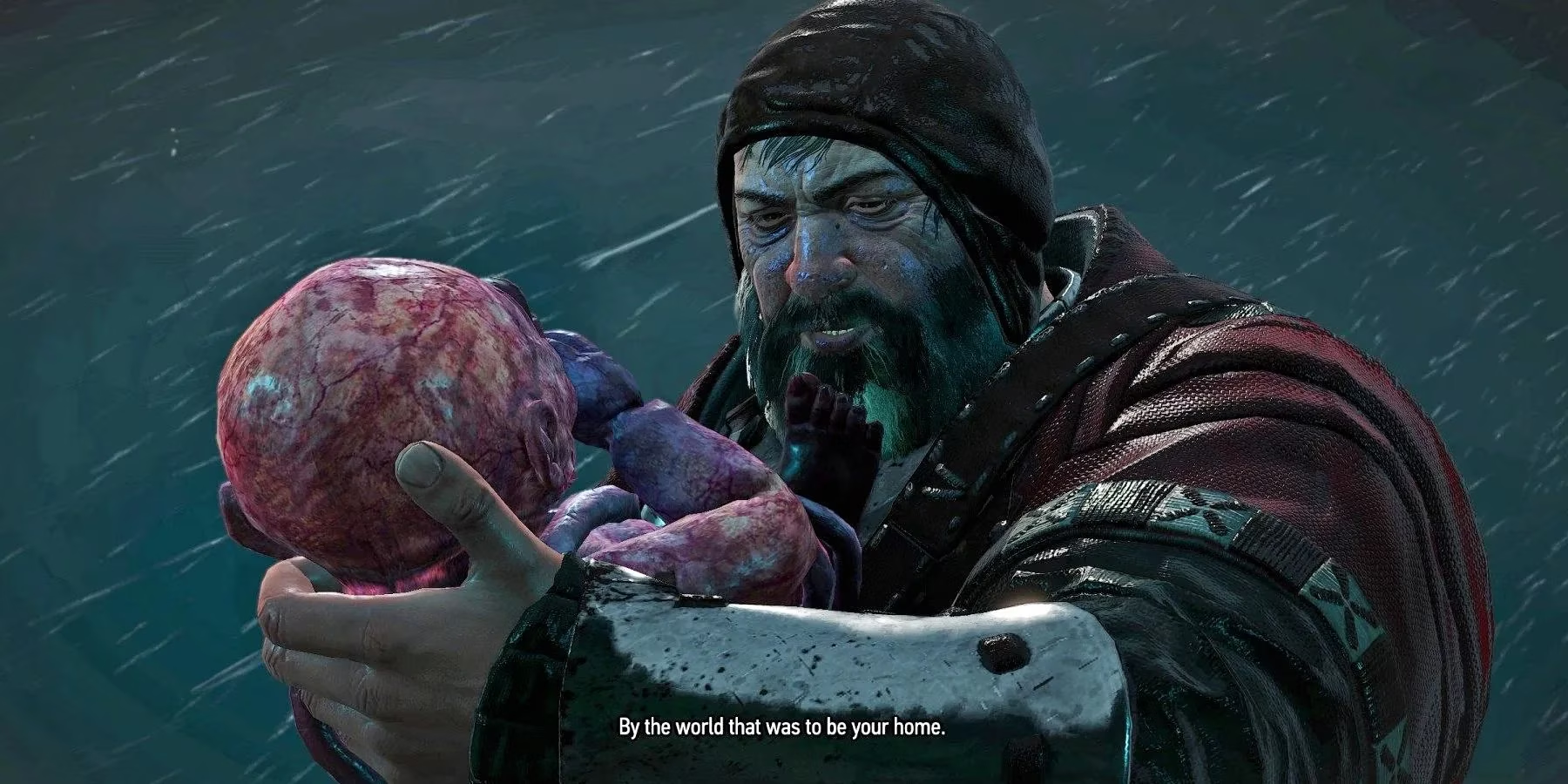
The power of this approach is best illustrated by a real story Sasko still remembers years later. After The Witcher 3's release, a player wrote to CDPR. This man had lost both his wife and child during childbirth. He explained how playing the Bloody Baron's questline was an emotionally devastating yet cathartic experience. He wrote, 'he felt like he was the Bloody Baron, carrying that child. He really wanted it to work.' For Sasko, this feedback is the ultimate validation. It proves that when quests are built with deep care and consideration for human experience, they can resonate with players in profoundly personal ways, transcending the fantasy setting.
This principle guides everything. Take The Witcher 3's central theme of fatherhood. Sasko himself is not a father, but that didn't stop him from helping create an authentic portrayal. How? Through empathy and conscious effort. He spoke with fathers, listened to their stories, fears, and joys, and channeled that understanding into the game's narrative. The result is a quest like the Bloody Baron's, which feels real despite involving monsters and magic.
'Even though it's fantasy, it's some Botchling thing, there's a component of authenticity and realism that will touch people because you don't know what they went through. You have to approach quests with deep care and consideration.'
For aspiring designers and players curious about the magic behind their favorite games, Sasko's insights are a masterclass. It's not just about coding and level design; it's about human psychology. The process involves:
-
Designing with empathy: Putting yourself in the shoes of both the character and the potential player.
-
Leveraging player empathy: Crafting scenarios that naturally evoke emotional investment.
-
Meticulous care: Treating every side quest with the importance of a main story mission.
These might seem like small steps in a multi-year, multi-million dollar project, but Sasko argues these are the details that separate a great game from a legendary one. In an era where games are more cinematic and complex than ever, the simple, human element of empathy remains CDPR's not-so-secret weapon. As Sasko perfectly summarizes, 'Show is about trying to talk to your empathy and trying to show things that can move you. For me, it's almost like a secret sauce for making really good quests.' 🧠❤️ As we look ahead to the next Cyberpunk game in 2026, it's this philosophy that promises to deliver stories that will, once again, make us stop, feel, and remember.