Open-world games are all about freedom and exploration, offering players vast digital playgrounds to get lost in. While the epic main narratives often take center stage, some of the most memorable moments come from the optional diversions—the minigames. These aren't just simple time-wasters; in many titles, they've evolved into deep, engaging systems that players can happily spend hours on, sometimes even overshadowing the primary campaign. Let's dive into some of the most iconic and entertaining minigames the gaming world has to offer, from futuristic arcades to medieval dice games.
Holotactics in Star Wars Jedi: Survivor
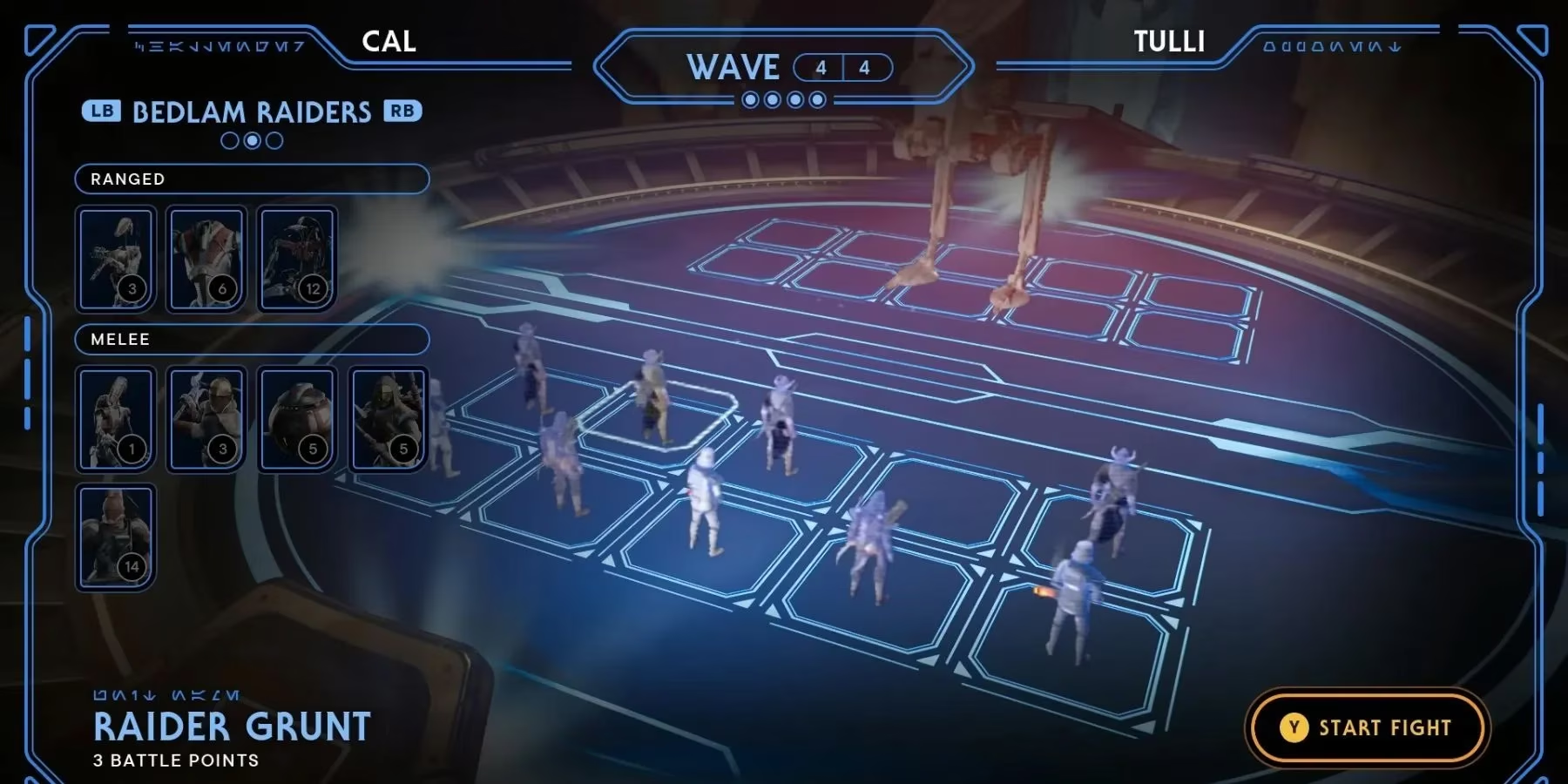
Even in a galaxy far, far away, folks need a break from all the lightsaber clashes and Imperial threats. Taking a page from the classic Holochess seen in A New Hope, Star Wars Jedi: Survivor introduced Holotactics. This strategic minigame is a total blast. The objective is straightforward: use your collected units to wipe your opponent's pieces off the board. You place your units, hit start, and watch the automated battle unfold—it's like a nerdy, sci-fi version of watching a sports match. Winning nets you points to unlock even more powerful creatures and droids. It’s a perfect, lore-friendly distraction that adds a whole new layer of collection and strategy to Cal Kestis's journey.
Night City Arcades in Cyberpunk 2077
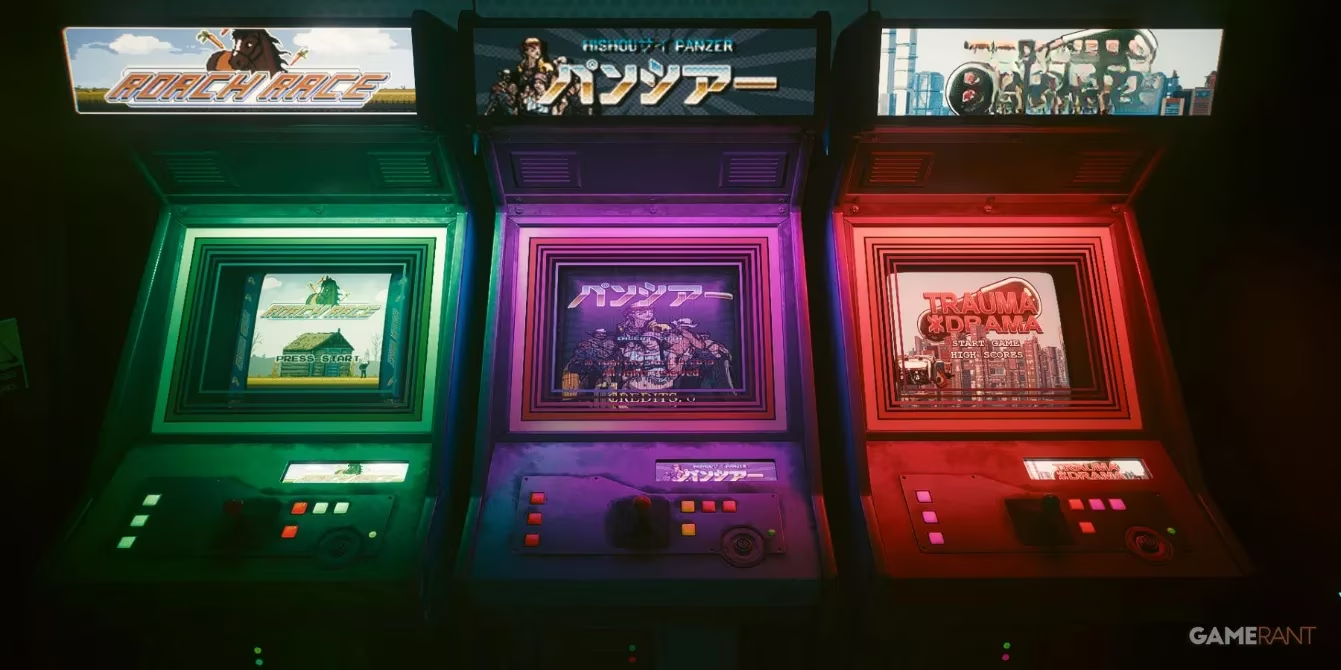
CD Projekt Red's Cyberpunk 2077 had a rocky road to redemption, but its post-launch support truly brought Night City to life. One of the coolest additions was giving purpose to all those flickering arcade cabinets and pachinko machines scattered around the map. Suddenly, V could take a break from mercenary work to play Roach Race (a fun nod to The Witcher), the narrative-driven Trauma Drama, or the absolutely rad Arasaka Tower 3D. That last one is a total love letter to 90s-era 'boomer shooters,' offering fast-paced, retro-style action that's weirdly addictive. These minigames aren't just filler; they're legitimately fun experiences that make the world feel more lived-in and interactive.
Farkle in Kingdom Come: Deliverance
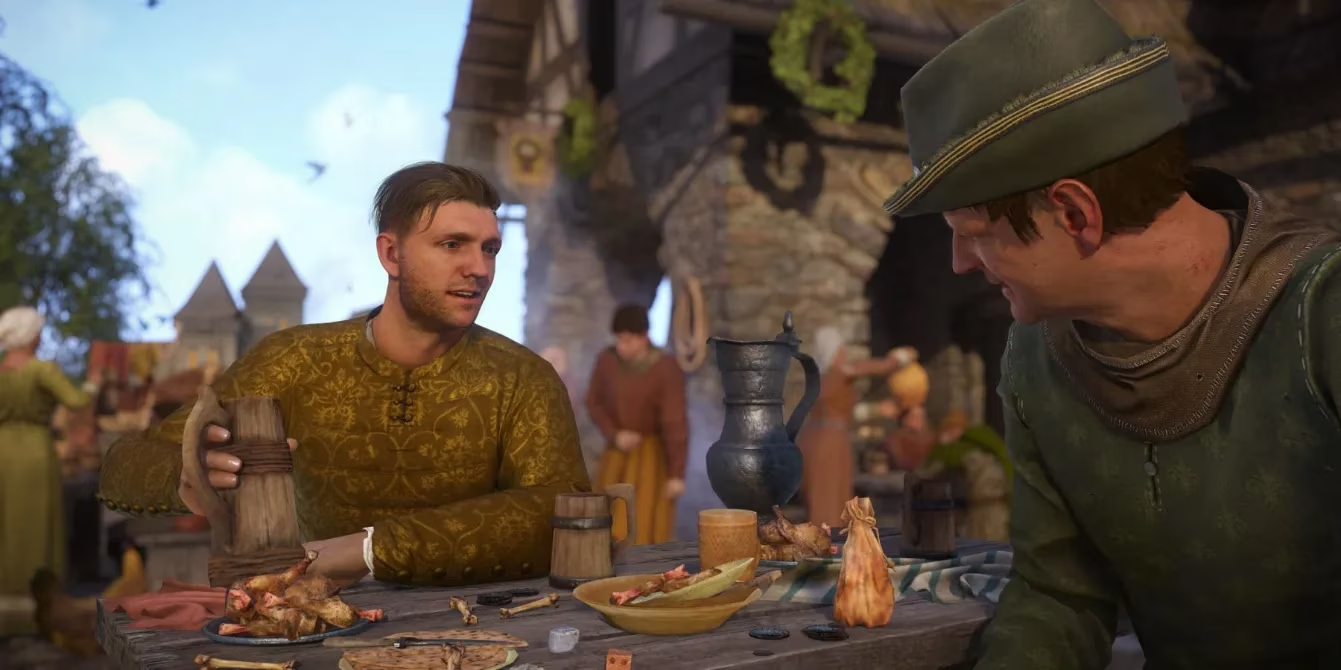
For a game dedicated to hardcore historical immersion, Kingdom Come: Deliverance sure knows how to let its hair down. Among its many period-accurate activities, the dice game Farkle stands out. Henry can challenge various NPCs to a round in taverns, and it's surprisingly deep. The real kicker? You can totally cheat! By investing in certain perks, you can influence your rolls, or you can go full scoundrel and use loaded dice. It adds a fantastic layer of role-playing and risk-reward, making a simple dice game feel like a high-stakes con. It's details like this that sell the gritty, authentic medieval experience.
Festival Fun in Stardew Valley
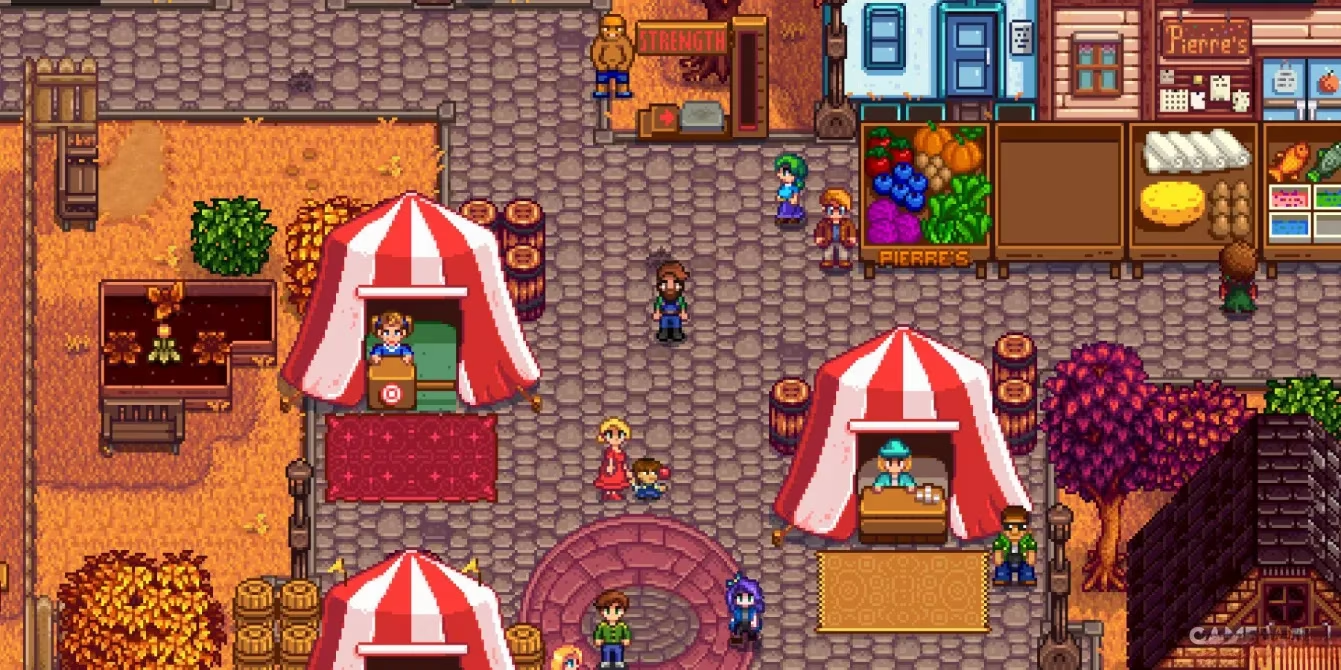
Don't let the cozy pixel art fool you—Stardew Valley is packed with things to do beyond farming. The Stardew Valley Fair in the fall is a highlight, featuring mini-games like the fishing challenge and the slingshot game. But the real gems are tucked away in the Stardrop Saloon: Journey of the Prairie King (a brutally tough top-down shooter) and Junimo Kart (a fiendishly difficult auto-runner). For those with a taste for risk, the Calico Desert offers casino games. These diversions are so well-made that they could easily be standalone mobile games, proving that ConcernedApe put his heart and soul into every corner of Pelican Town.
Liberty City's Social Scene in GTA IV
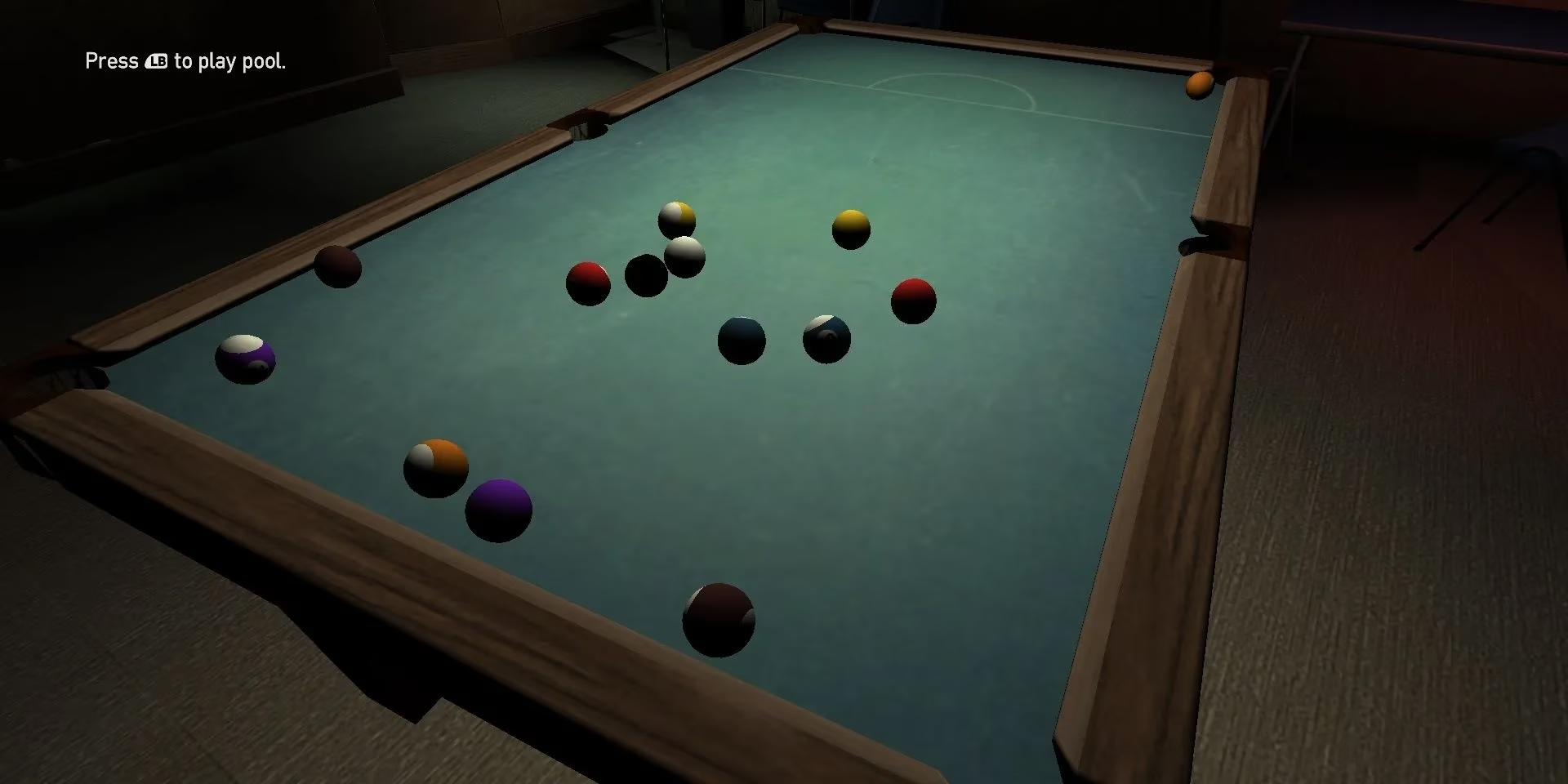
While later Rockstar games expanded their worlds geographically, Grand Theft Auto IV perfected social density. Liberty City feels alive partly because of its plethora of social activities. Hanging out with friends like Roman or dating girlfriends isn't just a menu option; it involves actual activities. You can go bowling, play a full game of pool (which has surprisingly solid physics), throw darts, or hit up a cabaret show. Each friend has their own preference, forcing Niko to try new things. This system wove the minigames directly into the social fabric of the story, making them feel organic and meaningful rather than just checkboxes on a list.
Digital Trips in Watch Dogs
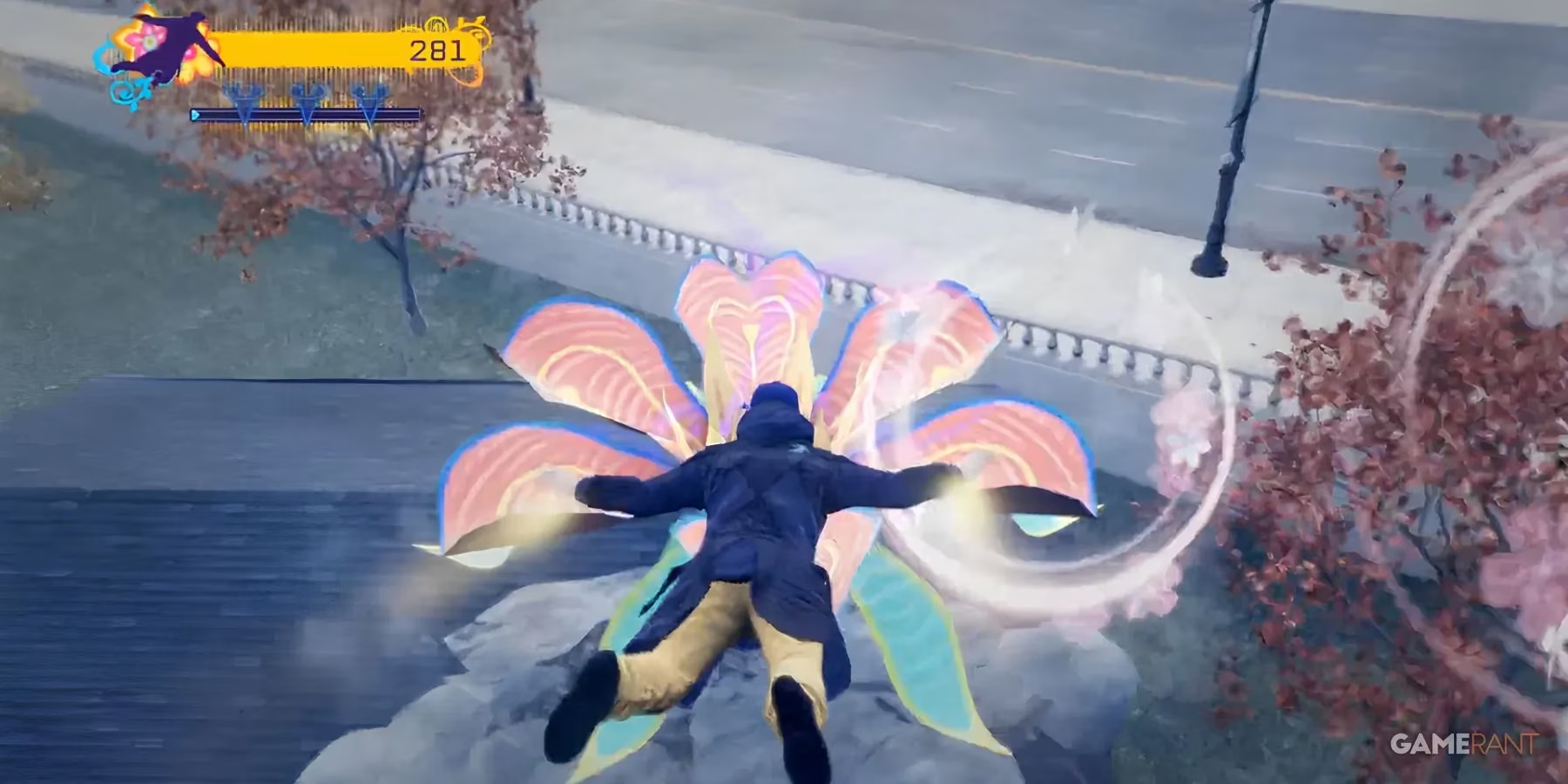
The first Watch Dogs might not have lived up to its initial hype, but it had some incredibly creative ideas. The Digital Trips were a standout—surreal, VR-like experiences that completely transformed Chicago. In Alone, you'd navigate a deserted cityscape avoiding drones, creating a tense, atmospheric horror vibe. Spider Tank, on the other hand, was pure, unadulterated chaos, letting you control a massive tank to cause as much destruction as possible. These minigames were a genius way to break from the relatively grounded hacking gameplay, offering unique challenges and rewards that felt like bonus episodes within the game itself.
Hong Kong Nightlife in Sleeping Dogs
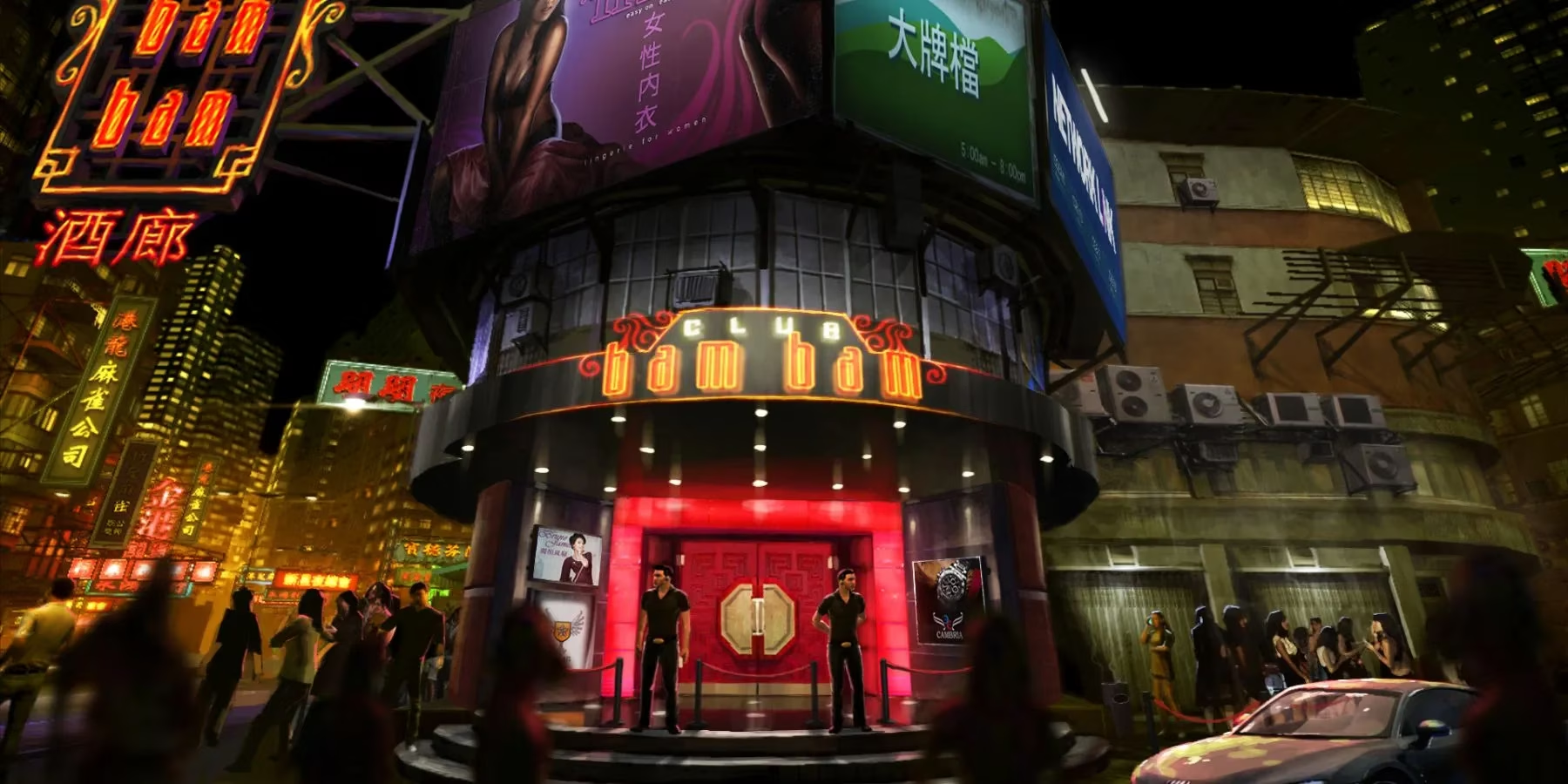
Sleeping Dogs immerses you in Hong Kong's underworld, and part of that immersion is experiencing local culture. Wei Shen can engage in traditional pastimes like Mahjong, a complex tile-matching game that requires real strategy. Then there's Karaoke, an absolute icon of the game where you can belt out classics, testing your timing for bonus points. Beyond these, minigames are woven into core mechanics through hacking and lockpicking sequences. They never feel tacked-on; instead, they reinforce the setting and the dual life of an undercover cop trying to fit in.
Gold Saucer Extravaganza in Final Fantasy VII Rebirth
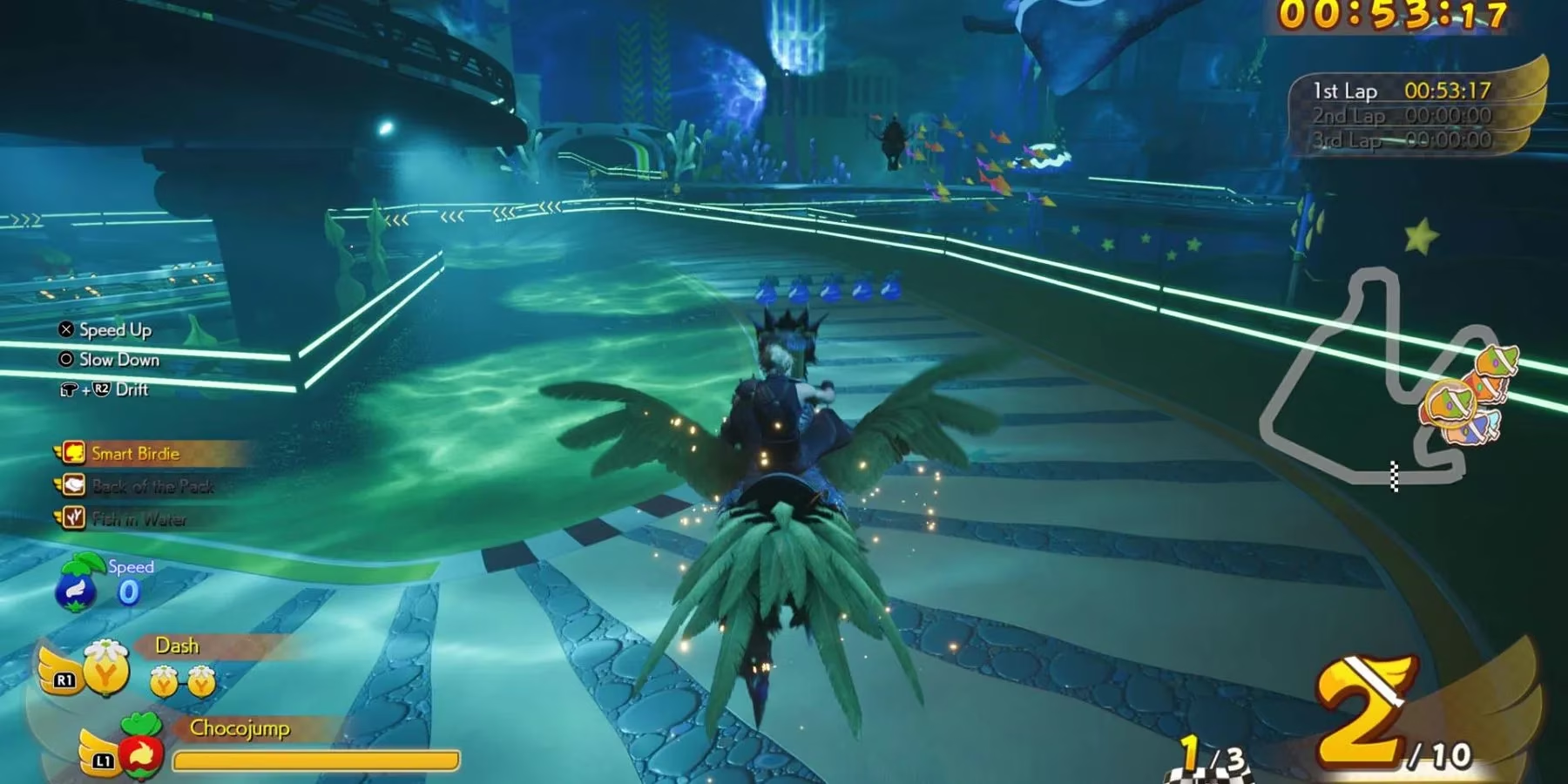
The Gold Saucer in Final Fantasy VII Rebirth isn't just an amusement park; it's a minigame theme park. Square Enix went all-out, packing it with diverse activities. You can race Chocobos, duke it out in the 3D Brawler, or dive into the incredibly deep and strategic card game Queen's Blood. And that's just one location! The entire journey is peppered with diversions, from the tower-defense style Fort Condor to playing musical instruments. The variety is staggering, ensuring there's always a fun side activity to master, making the world of Gaia feel endlessly playful.
Gwent in The Witcher 3: Wild Hunt
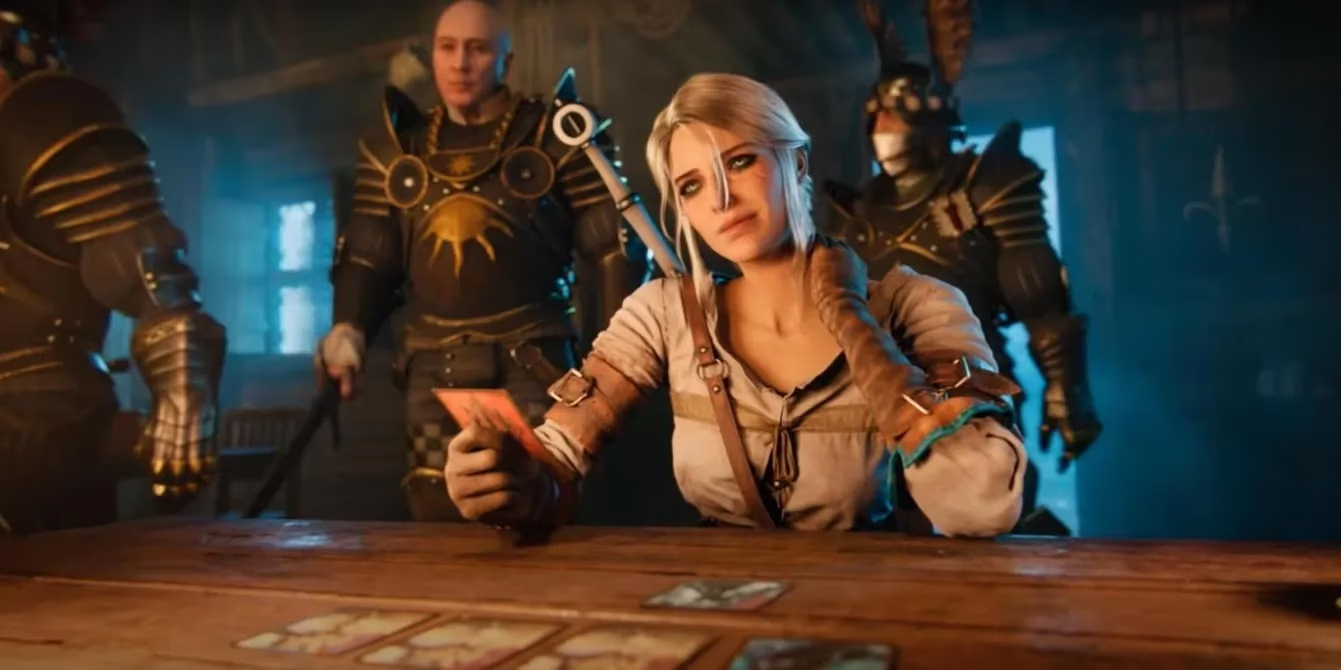
Ah, Gwent. What started as a simple in-game card distraction in The Witcher 3 became a cultural phenomenon. Geralt can challenge virtually anyone—from blacksmiths to monarchs—to a round. Each opponent has their own deck and strategy, encouraging you to explore the world to find powerful new cards from vendors, quests, or as loot. The rules are deceptively simple yet allow for deep strategy. It became so popular that players famously spent more time playing Gwent than hunting monsters, leading to its own standalone game, Thronebreaker. It's the gold standard for how a minigame can become a core, beloved part of a game's identity.
Cabaret Club Management in Yakuza 0
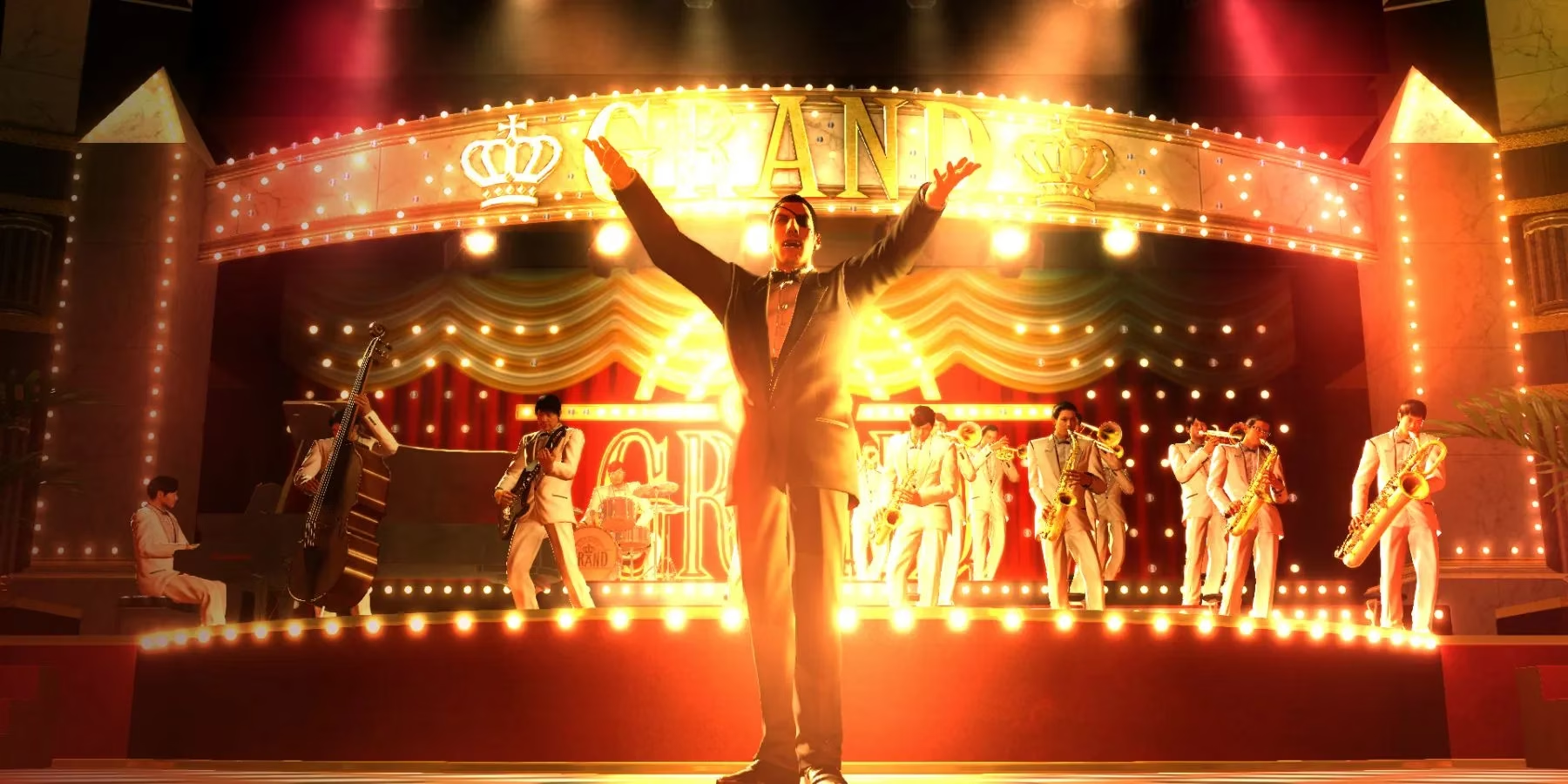
The Yakuza/Like a Dragon series is legendary for its absurd and amazing minigames, and Cabaret Club Management in Yakuza 0 might be the pinnacle. As Majima, you're tasked with running a hostess club, and it's a full-blown business sim. You recruit hostesses, train them, manage finances, and strategically match them with customers based on their personalities to maximize profits and satisfaction. You can even customize their outfits and skills. It's incredibly deep, strangely addictive, and packed with its own storyline and rival clubs to defeat. It's a perfect example of a minigame that's so well-developed it feels like a game-within-a-game, offering a hilarious and satisfying contrast to the main story's brutal drama.
The Verdict
From strategic card games to running virtual businesses, these minigames prove that the soul of an open-world game often lies in its optional content. They provide essential breathing room, deepen the world-building, and, most importantly, are a ton of fun. In 2026, as games continue to grow in scale, the legacy of these iconic diversions reminds developers that sometimes, the biggest adventures can be found off the beaten path, in a tavern, at an arcade, or across a card table.